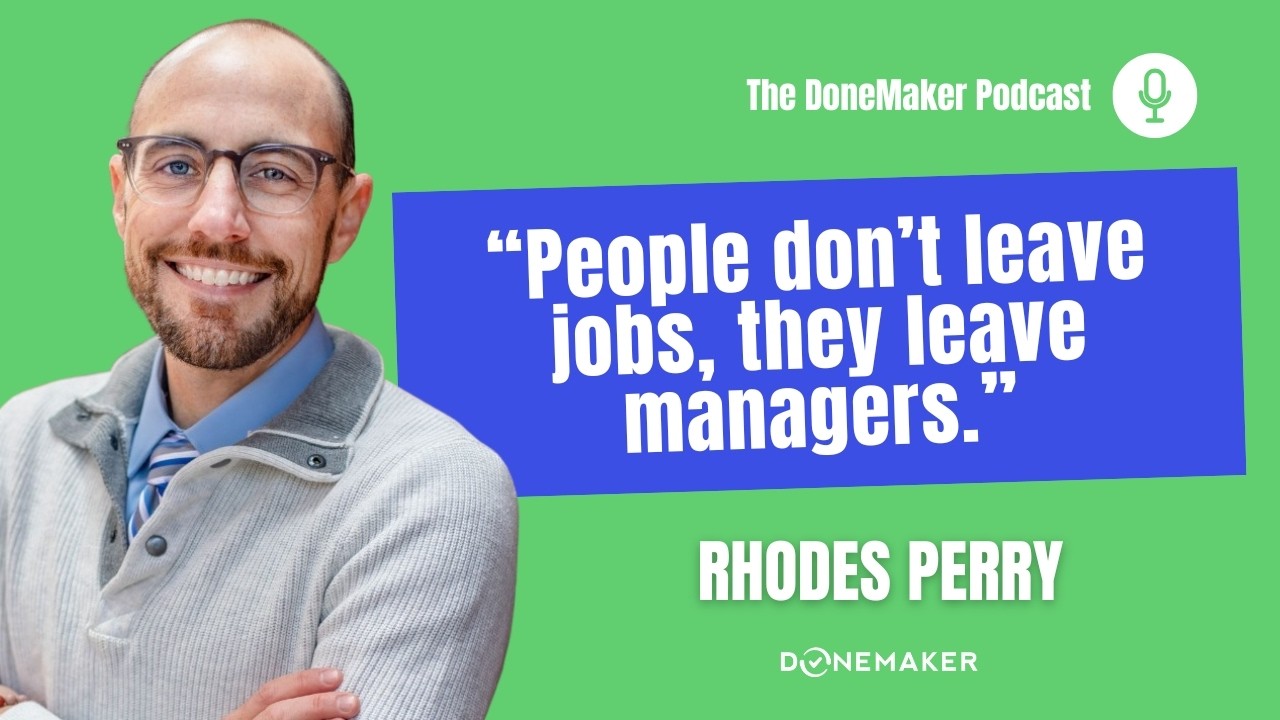
In a frank conversation with DoneMaker, I unpack practical strategies that help you understand why Employees walk away, and what you can do differently as a leader. You will get clear steps to stabilize your culture, reduce churn, and make your company the place top talent wants to stay. Below I share what I believe matters most based on years of coaching leaders, running culture work, and using somatic approaches to guide real change.
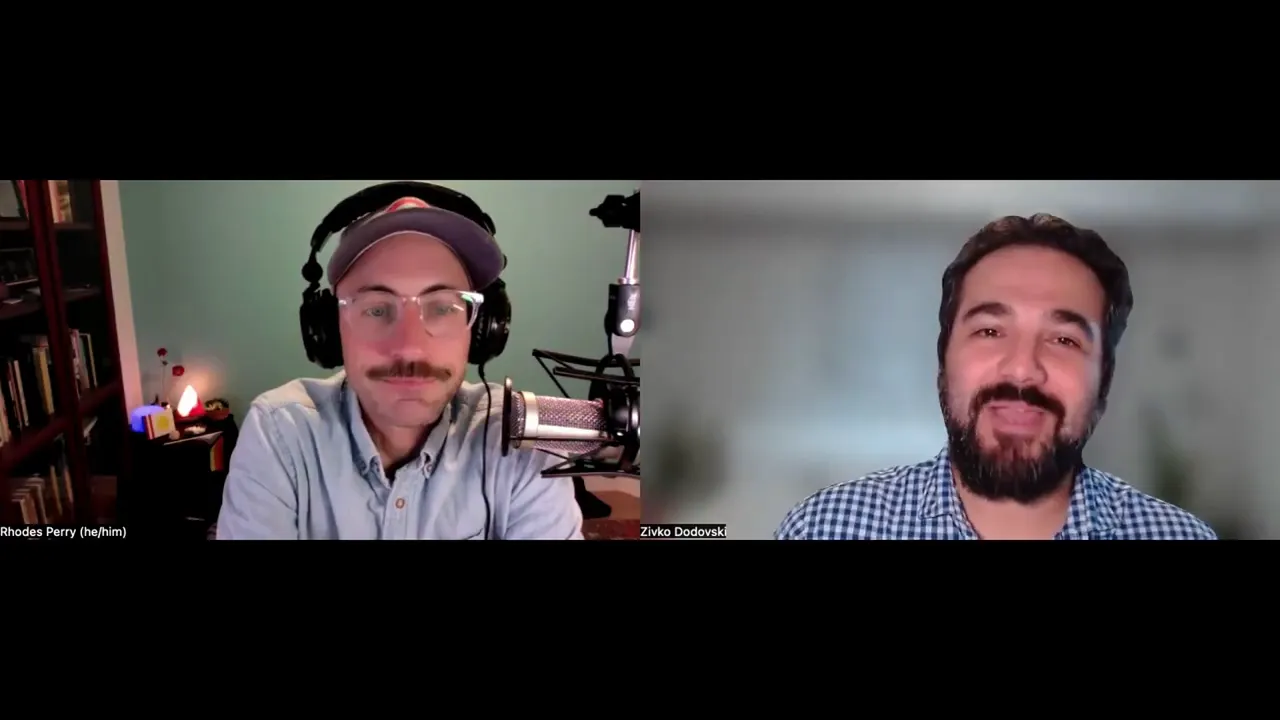
Everyone with hiring responsibility knows you can post a role and get resumes, but that does not solve a more fundamental challenge: keeping Employees engaged, safe, and seen so they actually stay and do their best work. If you feel Employees are leaving for unclear reasons, this article is written for you. I will explain what is driving exits and give you doable actions you can start using today — from improving transparency to building leadership practices rooted in both head and heart.
1. Transparency and Psychological Safety: Why Employees Leave When You Don’t Tell the Story
One of the most frequent and underestimated reasons Employees leave is not pay or title alone. It is the sense that decisions happen in a vacuum and that no one cares to explain what is happening. If you have ever seen a sudden senior departure or a quick organizational change without clear communication, you know the ripple that creates in trust and morale. Employees quickly begin imagining the worst. When that happens, a portion of their work day will be spent checking for other roles rather than crafting great work for you.

Here are immediate steps you can take to shore up trust so Employees feel steady rather than jittery.
- Be explicit about uncertainty. Start by naming when things are uncertain. Say, “This quarter has unknowns. Here is what we know now, and here is how we will update you.” That simple habit calms nervous systems because clarity replaces guesswork.
- Share a rhythm of updates. Decide on a cadence you can keep — weekly or monthly — where leaders summarize priorities, risks, and wins. Predictability in communication is an antidote to anxiety and it signals care for your Employees’ need to plan their lives.
- Explain decisions, not just outcomes. When you must remove a person from a role or restructure, give as much context as you can without breaching privacy. Explain the rationale and what it means for the organization so Employees are not left creating their own narratives.
- Model accountability and apology. When leaders make mistakes, a real, short apology goes further than a long justification. Employees want honesty and human responses more than executive polish.
Transparency is not transparency theatre. It is a practical tool to reduce hidden costs that arise when Employees leave emotionally before they leave formally. You will spend far less time replacing talent if the people you already have feel safe enough to do their best work.
2. Somatic Leadership: Use the Body to Lead Better and Keep Employees
Most leadership training focuses on strategy and communication — the head. But there is a potent, overlooked dimension that helps leaders make better choices under pressure: the body. Somatic work trains you to notice the sensations that arise when you are stressed, triggered, or excited. That awareness creates a gap between stimulus and reaction so you can choose a response rather than reflexively escalate a situation.

If you want to be a leader who inspires Employees to stay, cultivate the ability to be present in your own body so your responses strengthen trust instead of eroding it. Here are practical ways to bring somatic principles into your leadership practice.
- Build micro practices. You do not need hours. Learn a few quick grounding moves you can do before a hard meeting. Pause, take a slow breath, feel your feet on the floor, name the feeling in your chest. That 30 second check-in changes your tone and prevents reactive behavior that damages Employee relationships.
- Practice authentic yes and no. Too many leaders live in a default “yes” that slowly eats capacity and creates resentment. Somatic exercises help you distinguish an authentic yes from a people pleasing yes. That clarity reduces overload so you can support your Employees better.
- Create safe coaching spaces. Offer somatic coaching to people leaders so they can practice being present under stress. When managers learn to regulate their own nervous systems, their teams benefit — Employees feel steadier and more supported.
Somatic leadership is not woo. It is a high impact habit. When you and your leaders learn to notice the bodily cues that precede a poor decision, you protect relationships and retain Employees who value respectful, composed leadership.
3. Culture as Strategy: How Employees Decide Whether to Stay on Day One
Culture is not a poster you hang in the break room. It is a set of lived experiences. Employees decide in their first weeks whether they belong — and that initial verdict influences whether they stay for the long haul. If you want to reduce voluntary exits, treat culture as a strategic asset from the very start.
Here are steps to make your culture a magnet for talent rather than a repellent.
- Define who you are together. Ask yourself and your leadership team two questions: who are we at our best, and how do we work together? When you answer these honestly, you can recruit Employees who fit and thrive.
- Codify practices, not platitudes. Move beyond values statements. Describe specific behaviors that show belonging in action: how you give feedback, how you celebrate wins, how you make decisions. Employees notice patterns far more than words.
- Invest in people development. Employees choose workplaces where they see growth. Make it clear you will support learning, role transitions, and mentoring. If your organization is small, show examples of how people have advanced or shifted roles.
- Design interviews for fit. Hiring should test three things: can the person do the work, will they do the work, and do they belong? Culture fit is not bias; it is mutual clarity about whether the environment will enable someone’s success.
When you treat culture as a durable strategy rather than a quarterly initiative, Employees sense the stability. That feeling of coherence reduces churn and helps you build a team that lasts.
4. Conflict, Attraction, and the Cost of Comparanoia
Two more things drive Employees away: unresolved conflict and leaders who measure worth by endless comparison. If you want to keep your strongest people, you must learn to manage generative conflict and drop the addiction to constant benchmarking that never satisfies.
Conflict is normal. When handled well it produces creativity. When avoided it produces quiet exiters. Here is how to convert conflict into connection.
- Make conflict generative. Teach managers to name tension early and hold a structured conversation that explores perspectives. Somatic practices help people slow down so they can hear each other rather than react at the first perceived slight.
- Bear witness to repair. When mistakes happen, create space for honest apologies and tangible change. Employees who see repair modeled are more likely to stay and reengage after a bump.
- Drop comparanoia. Many leaders measure success by what other companies do. That constant comparison creates a hunger that never fills. Ask yourself: what does success look like for you and your team? When your values drive your metrics, Employees feel seen rather than used.
- Be magnetic by design. Top talent evaluates the people and culture before the paycheck. If your culture is transactional, you will attract transactional hires. If you cultivate growth, belonging, and clear management, Employees who are aligned will pursue you.
Attracting and keeping top talent is not only about compensation. Employees want a place where their dignity is protected and their contribution matters. When you provide that, you do not just hire bodies — you build an engine for consistent, creative work.
Practical Playbook: Turn These Ideas into Action
Below is a simple playbook you can implement in a short timeline. These steps are pragmatic and designed to move the needle fast so Employees notice real change.
- Week one: Publish a clear update that outlines priorities and a communication cadence. Invite questions and set an expectation for the next update.
- Week two: Train people leaders on one somatic grounding tool and one conversational script for difficult feedback. Keep it low stakes: practice in a small cohort.
- Week three: Run a fast culture check: ask new Employees after their first month three questions about belonging and clarity. Use the results to fix onboarding gaps.
- Week four: Launch structured conflict protocols for teams where tension is high. Facilitate two sessions and model repair conversations.
These are not silver bullets, but they create momentum. Employees will notice if you are consistently trying to make things better rather than just issuing platitudes.

How to Scale Practices Across Your Company
If you lead an organization and want these practices to spread from top to bottom, you need a mix of one-on-one coaching, group learning, and structural assessments.
- One-on-one coaching for leaders. Somatic coaching equips leaders with lived habits to regulate in the moment. When a few leaders embody these skills, they change the tone of whole teams.
- Group learning for managers. Offer cohorts focused on psychological safety, feedback, and managing conflict. Peer learning amplifies the impact.
- Culture assessments. Run periodic belonging culture checks to surface blind spots. Use the data to set measurable goals.
- Embed rituals. Create recurring rituals that reinforce care: team reflections, celebration of wins, and defined decision playbooks.

When you combine individual capacity building with organization level systems, Employees experience a coherent environment. That coherence is what keeps them.
FAQ
Q: What is the most common reason Employees leave?
A: Most often it is not only about compensation. Employees leave when they feel unsafe, unseen, or unclear. Lack of transparency and poor managerial behavior rank high. Address the experience of belonging first and many of the other issues will follow.
Q: How quickly can these changes affect retention?
A: You can start to see shifts in engagement within a few weeks when you change communication rhythms and model different manager behavior. Lasting change takes longer, but early wins keep you motivated and demonstrate that you value your Employees’ experience.
Q: Isn’t somatic work too touchy feely for business?
A: Somatic work is pragmatic. It trains leaders to notice cues that predict reactionary behavior. That awareness reduces conflict, improves decision quality, and helps keep Employees. It is a tool for performance, not a distraction from it.
Q: How do I hire people who will stay?
A: Hire for fit and potential. Make sure the interview process assesses fit for your culture and includes people managers who embody the behaviors you want. Talk candidly about how the team operates so candidates can self select. Candidates who remain after honest conversations are more likely to stay and contribute.
Q: What should I do if leaders resist this approach?
A: Start with small experiments and measurable outcomes. Invite one or two willing leaders to pilot somatic coaching and report back on tangible changes in their teams. When peers see results in improved engagement or lower churn, resistance often softens.
Q: How does long term planning affect Employees?
A: When your company thinks beyond the next quarter and considers the longer arc of culture, Employees sense stability and purpose. Even small steps toward long term thinking — such as defining who you want to be in a few years — help create a context where Employees feel they are building something meaningful.
Q: What is a quick way to start using somatic practices as a leader?
A: Begin with a single, repeatable ritual before meetings: center yourself for thirty seconds, notice breath, put both feet on the floor, and name one intention for the conversation. Practice daily. Over time, that tiny habit changes your tone, presence, and the experience of Employees who interact with you.

Keeping Employees is an ongoing practice that blends honest communication, leadership self mastery, and structural systems that reinforce belonging. If you show up consistently and invest in these areas, you reduce the hidden costs of exclusion and create a company people want to join and stay with.
If you want to act on this and need help getting started, reach out to trained coaches and people who work in belonging culture strategy. You do not have to fix everything at once, but you do have to start. Your Employees are watching. Make your next move a steady one.
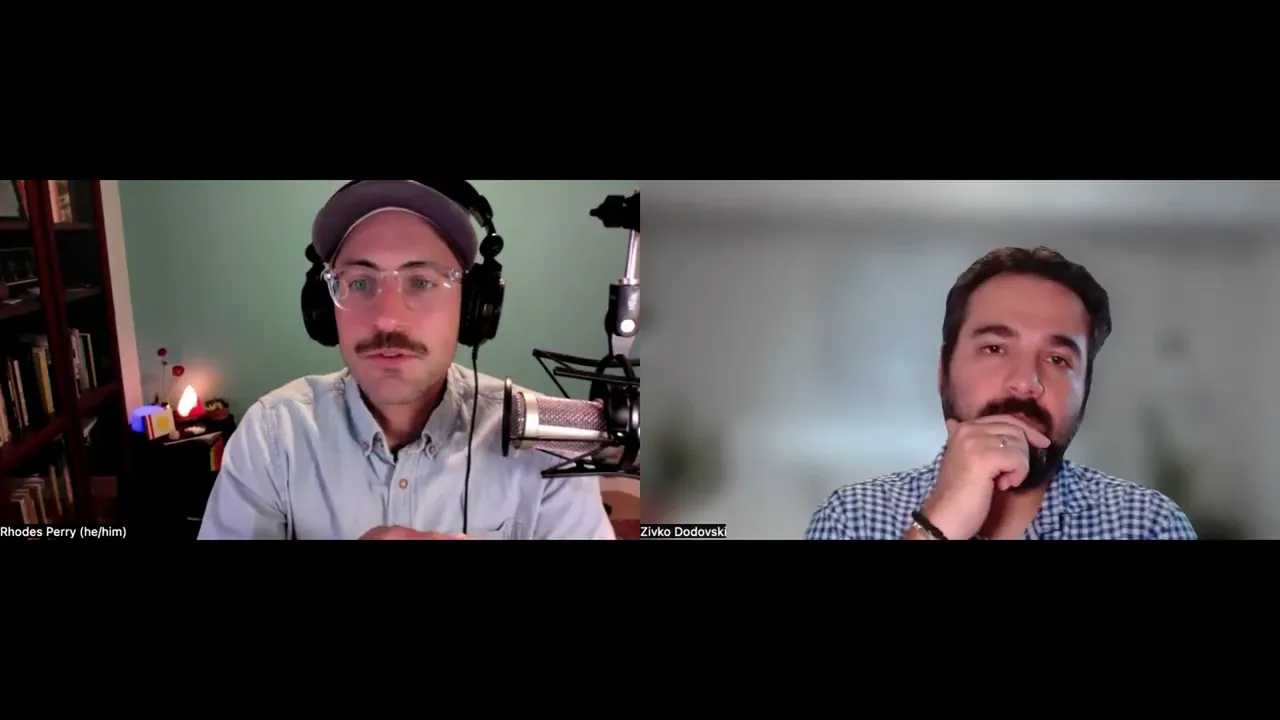
Watch the full podcast here: The SHOCKING Truth About Why Employees Are REALLY Leaving Your Company