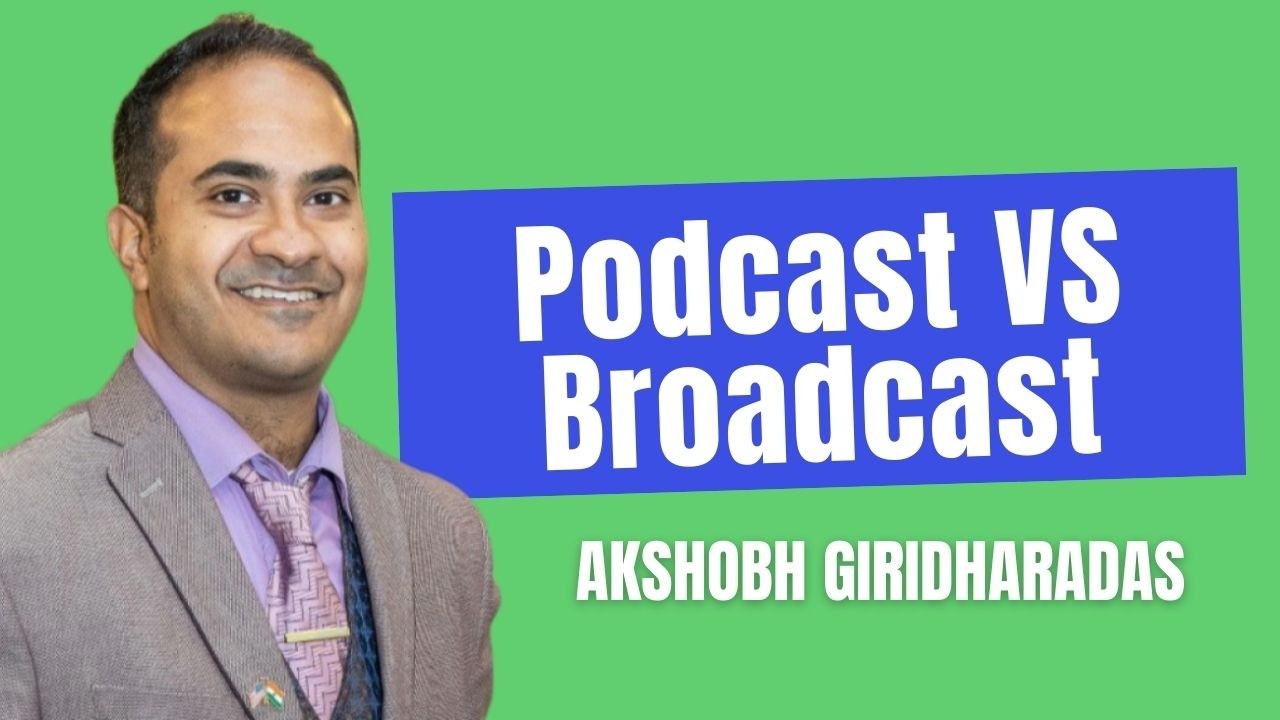
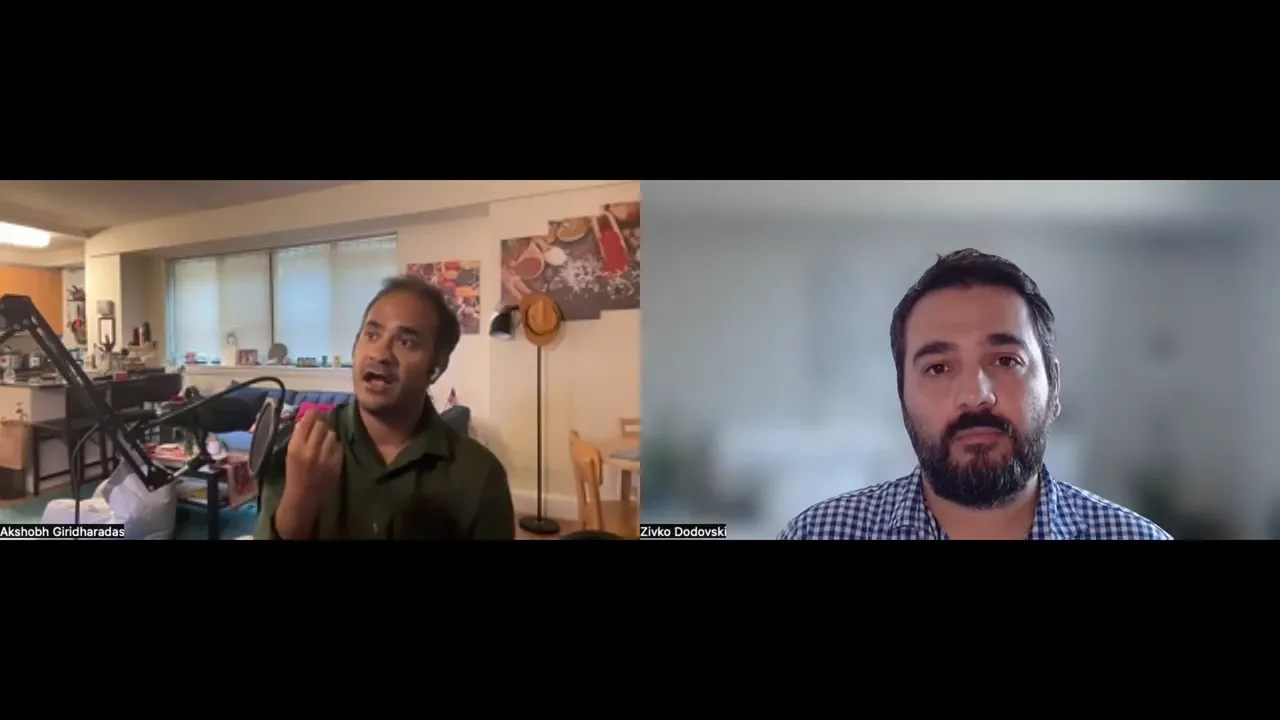
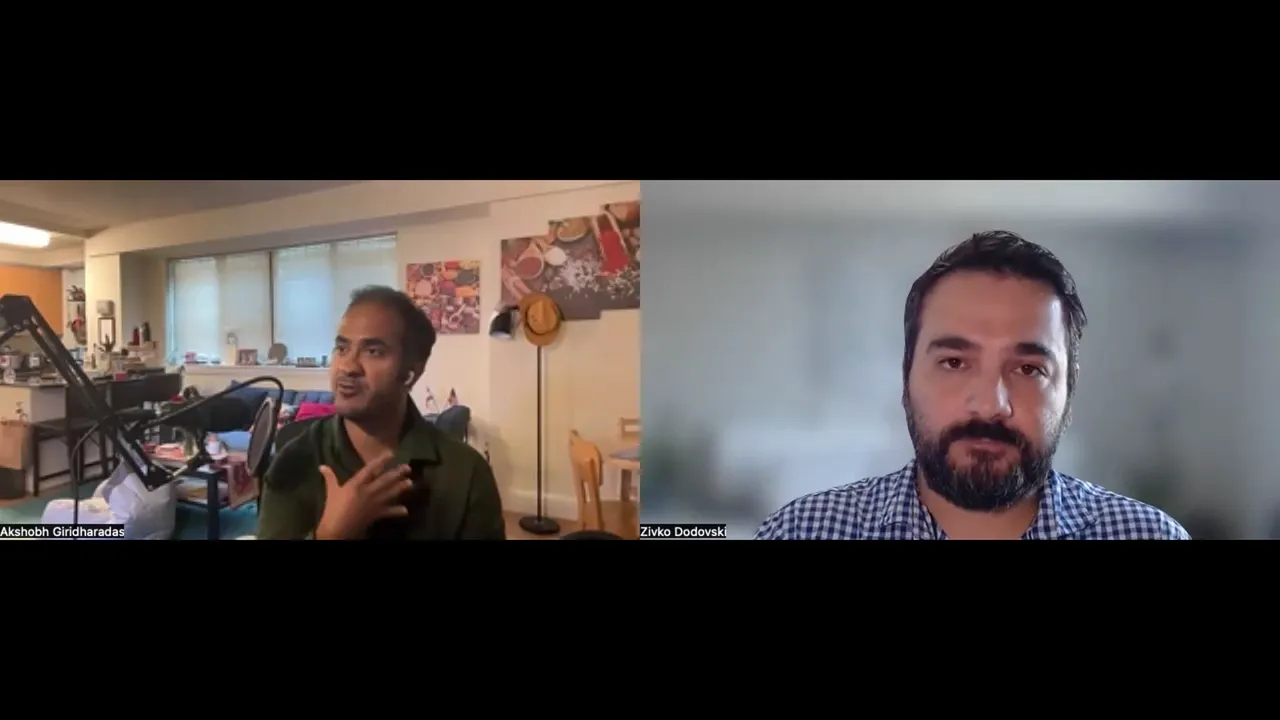
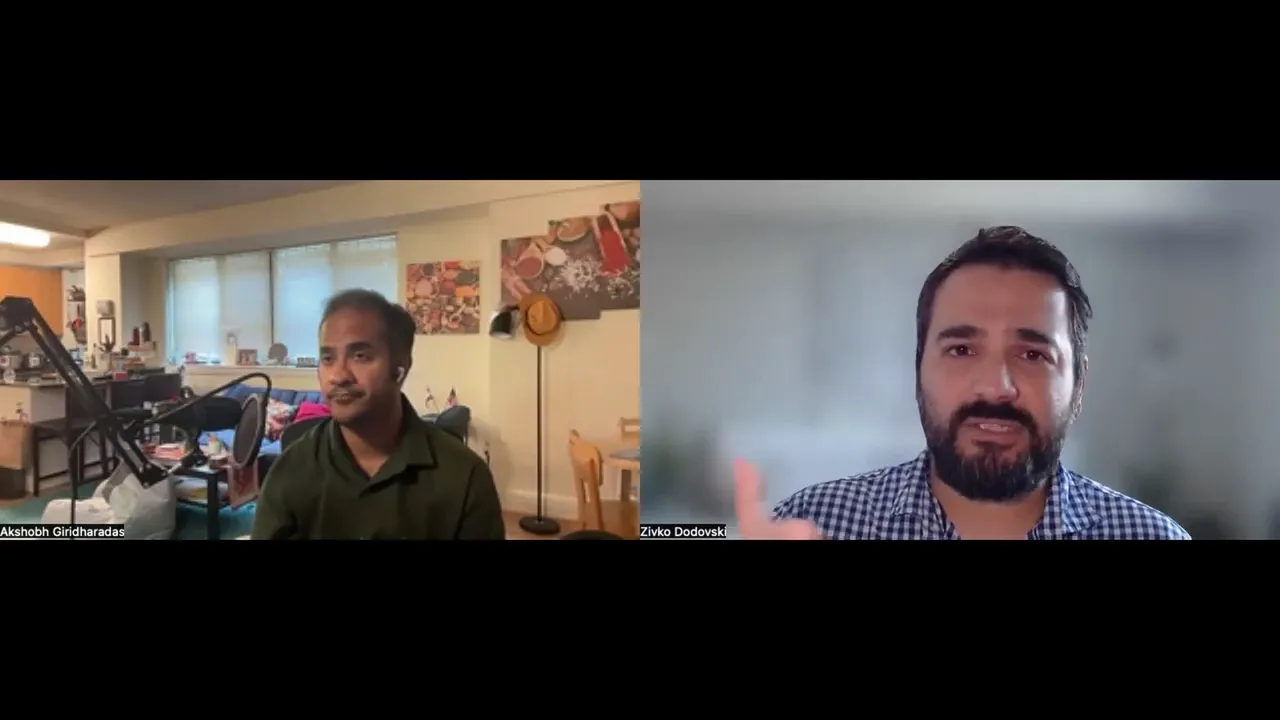
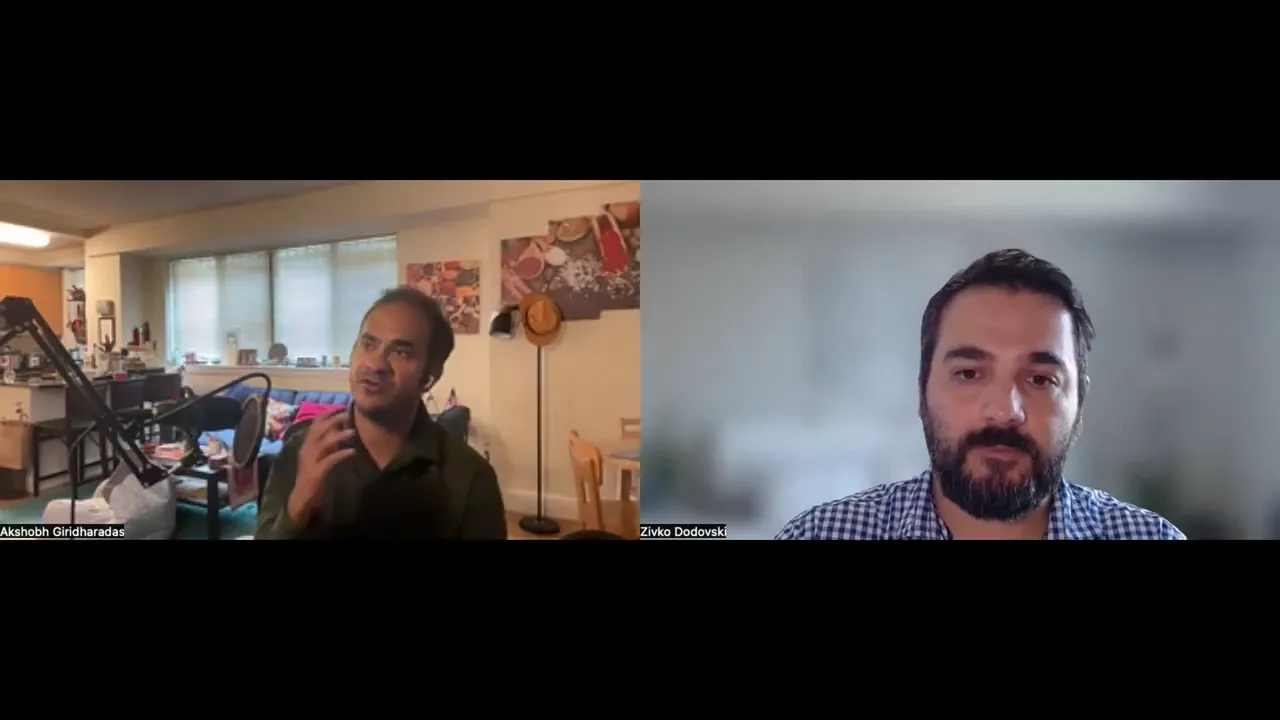
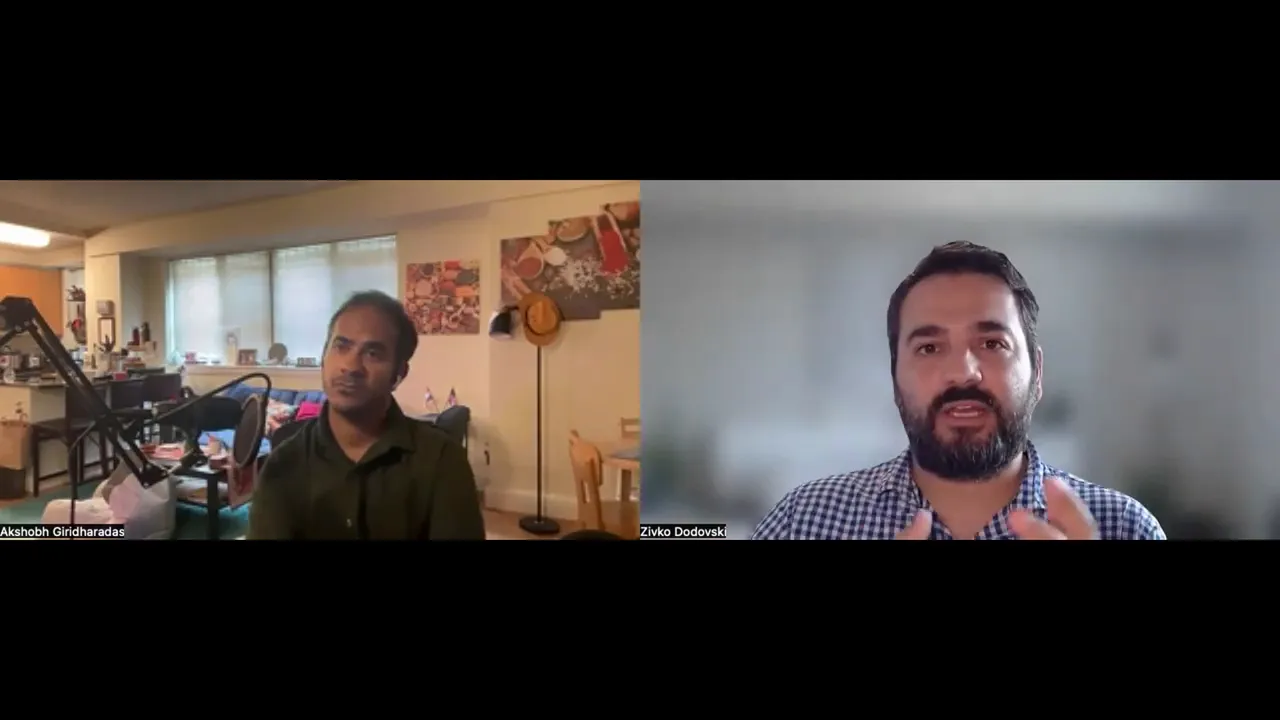
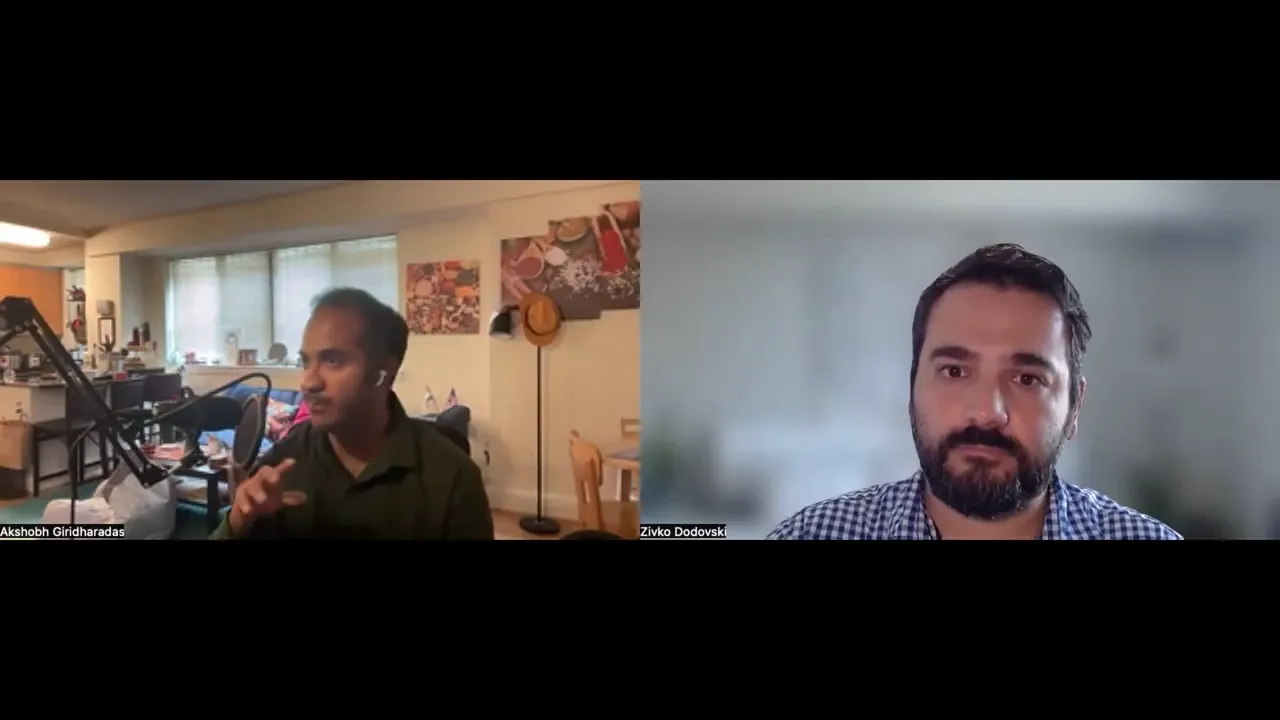
If you care about how you build trust, grow an audience, and compete with the giants, you should watch the conversation produced by DoneMaker featuring Akshobh Giridharadas. In that discussion Akshobh, a former broadcast journalist turned geopolitical analyst and podcaster, explains why Business and Podcast strategies are becoming the default for entrepreneurs who want authentic connections. You’ll get concrete thinking about storytelling, relatability, AI, regulation, and why the old gates of media no longer control who gets heard.
Below I break down seven practical reasons you should consider a Business and Podcast strategy, what to watch out for, and how to make it work for your brand. Read this like a playbook: use the numbered sections as a checklist and return to the parts that match your current challenge.

1. Democratization of Voice: You Don’t Need Permission Anymore
If you’ve ever waited for an editor, producer, or gatekeeper to give you permission, you know how frustrating it can be. Akshobh puts it simply: the old broadcast model required you to be “chosen” — to look a certain way, have a certain accent, or pass subjective editorial taste. For owners who want to build influence, Business and Podcast channels remove that choke point.
Today you don’t need to wait for a network to offer you prime time. You can publish, iterate, and find your people. That matters because what used to be rare — timely, curated information delivered at set moments — is now abundant. Akshobh’s point is sharp:
“Information is precious but it’s no longer rare.”
For your business, that means you can own the narrative. When you publish podcasts that explain why you exist, who you serve and how you solve real problems, you’re creating a direct pipeline. You’re not asking people to find you in a newspaper or live broadcast; you’re showing up where they already spend time.
2. Relatability Wins: People Trust People, Not Logos
One central idea in the conversation is empathy through proximity. When you listen to a host you feel you know, you’re more likely to trust their recommendations. That’s why Business and Podcast formats beat sterile broadcast for many listeners: you feel like you’re having a conversation with a neighbor, colleague, or mentor rather than being fed a press release.
Akshobh ties this to the amateur-to-pro journey — the idea that audiences relate to someone who “started where they are.” If you want to turn prospects into loyal customers, you need them to feel like they can understand your world, your choices, and your values. Podcasts create that intimacy.
Use this: invite guests who mirror your ideal customer, share concrete case studies in human terms, and keep episodes conversational. That’s how Business and Podcast approaches build long-term customer affinity.
3. Niche Is the New Mass: Find the Sub-Audience That Loves You
There used to be a handful of channels that served entire populations. Now there are thousands of narrowcasts. That’s an advantage for businesses because you don’t have to be everything to everyone — you simply need to be something to somebody. Akshobh gives examples: miniature model builders, gaming streamers, or domain experts who would never fit into a national broadcast slot but who attract intensely loyal listeners.
For your business, that implies a targeted content strategy. If you try to appeal to everyone, you sound like everyone else. If you make a Business and Podcast for a specific niche — a buyer persona, a professional role, or a passion community — you’ll grow faster because your content will actually matter to its listeners.
4. The Double Standard? How Accountability Works Online
You’ll hear people argue that podcasters get away with things that legacy media cannot. There’s a nuance to that: podcasts operate outside some broadcast regulations and corporate HR structures, and some creators deliberately brand themselves as unfiltered or uncensored. That freedom can lead to powerful conversations — but it also creates risk.
Akshobh points out the web’s own HR: the audience. Cancellation, virality, and public scrutiny still bite. If you let a guest steamroll a conversation or fail to verify facts, the fallout can be brutal. The Nelk Boys interview with a high-profile guest is an example where hosts were critiqued for not being prepared — and your business can’t afford that kind of unforced error.
Best practice for your Business and Podcast: prepare thoroughly, set clear interview frameworks, and balance vulnerability with responsible curation. Be human, but don’t be careless.
5. AI Is a Tool — Not a Replacement for Your Story
When you start building Business and Podcast assets, AI will appear as an obvious shortcut: automate transcriptions, summarize episodes, generate show notes, even draft episode frames. All of that is useful. But Akshobh’s core caution is essential: AI should amplify original thought, not replace it.
“If no one’s creating original content then after a while does it just become AI copying AI?”
You should use AI to save time on repetitive tasks — transcription, editing checks, and metadata. But you must preserve the human elements that make your podcast distinctive: lived experience, emotional nuance, and the willingness to carry curiosity forward. Those are not high-quality outputs for an LLM alone.
For owners building a Business and Podcast, plan a hybrid workflow: humans craft the narrative; AI handles the grunt work. Flag outputs for human verification. Use AI-generated drafts as starting points, not finished products.
6. Regulation Isn’t Anti-Innovation — It’s Your Safety Net
You might be tempted to view regulation as the enemy of speed. The conversation reminds you that regulation is often a response to real harms: data breaches, misuse of likenesses, or privacy violations. When you reuse other creators’ work or upload client data into third-party LLMs, legal and ethical questions arise immediately.
Akshobh uses a business example that should make you pause: an accountant uploading client financials into a paid LLM. You should ask yourself if that breaks NDAs or exposes confidential data. The answer often depends on jurisdiction and terms of service — but you absolutely must have policies that protect client privacy.
Adapting this to your Business and Podcast means implementing standards: secure storage for audio files, consent forms for guests, and clear policies around AI usage and public release. Think of regulation not as a constraint but as a framework that enables trust and long-term sustainability.

7. Creative Ownership Matters: Respect the Work That Built the Platform
One of the strongest points in the discussion is about creators who spend a decade building a voice. When you use AI to replicate someone’s style or clone a creator’s videos and voice, you risk theft of cultural capital. Akshobh highlights the outrage creators feel when their likeness, voice or hard-earned style is used without permission.
For your brand, that creates a competitive advantage: play fair. Build your own voice; license what you can’t create; and when you use generative shortcuts, be transparent. Your audience can smell inauthenticity — and in the Business and Podcast world, authenticity is your currency.
How to Start a Business and Podcast That Actually Converts
- Define a single, specific audience: Identify the persona who will find one episode a week indispensable. Don’t try to please everyone.
- Craft mini-series around real problems: Launch 6–8 episode series that solve one problem end-to-end. Series format increases binge listening and perceived value.
- Leverage guests strategically: Invite customers, partners, or experts who demonstrate your solution in action; prepare questions that highlight outcomes.
- Use AI for process, not for intuition: Automate transcripts and show notes; keep the creative lift human.
- Protect data and likenesses: Have contracts, guest releases, and a privacy checklist before you publish.
- Turn episodes into omnichannel assets: Chop and repurpose audio into short clips, newsletters, blog posts, and social posts.
- Measure listener behavior: Track drops, retention, and conversion events. Iterate on format based on what actually moves the needle.
Every tactic above is part of a coherent Business and Podcast strategy: produce useful content, protect the brand, and scale distribution methodically.
Practical Episode Template for Rapid Launch
- 0:00–2:00 — Personal opener: why this episode matters to your listener.
- 2:00–8:00 — Problem story: real example showing the pain in human terms.
- 8:00–20:00 — Expert or client interview with tactical takeaways.
- 20:00–25:00 — How your product/service solves the problem (case study, not hard sell).
- 25:00–28:00 — Quick resources and next actions.
- 28:00–30:00 — Sign off and teaser for next episode.
Use this template to produce consistent content at scale. Repurpose every episode into at least three other formats: a blog post, a set of social clips, and an email sequence. That’s how the Business and Podcast approach compounds.

What to Avoid When Building Your Business and Podcast
- Don’t skip preparation: Unprepared hosts let guests dominate and miss opportunities to create real value.
- Don’t be purely promotional: People tune in for insight, not ads. Give more than you sell.
- Don’t use unauthorised likenesses: Respect other creators’ IP when using AI to generate content.
- Don’t outsource strategy to AI: AI accelerates, but it doesn’t strategize your brand’s unique story.
- Don’t ignore legal/ethical policies: Client data, guest releases, and privacy should be non-negotiable.
How to Measure Success for a Business and Podcast
Choose metrics tied to business outcomes, not vanity metrics. Here are the KPIs that matter:
- Listener retention: Are people staying through the episode?
- Conversion events: How many listeners become trial users, subscribers, or booked calls?
- Engagement signals: Comments, DMs, and direct outreach after episodes.
- Referral and partnership growth: Are guests bringing their networks?
- Repurposed content performance: Which clips or posts drive the most leads?
When you focus on these indicators, your Business and Podcast becomes a measurable channel that feeds revenue and relationships.
FAQ — Common Questions About Business and Podcast Strategy
Q: How often should I publish a Business and Podcast episode?
A: Start with a realistic cadence you can sustain — weekly or biweekly. Consistency beats frequency. One solid episode a week that gets repurposed is more effective than daily low-quality content.
Q: Can AI write my episodes so I don’t have to?
A: AI can draft outlines, summarize transcripts, and help with production tasks. It cannot replace the lived experience and distinctive voice that make your episodes resonate. Use AI to augment, not to replace, your creative process.
Q: How do I make my podcast a reliable lead channel?
A: Design episodes with a conversion funnel in mind. Always include a single clear next step, an irresistible resource (a checklist, short course, or trial), and a measurement hook (UTM links, dedicated landing pages) so you can track listener-to-customer conversion.
Q: What about legal risk when I use guest clips or client data?
A: Get signed releases, maintain clear data handling policies, and avoid uploading confidential client materials into third-party platforms without explicit permission. If in doubt, consult a lawyer experienced in media and data privacy.
Q: Will podcasts still matter if everyone is using AI-generated content?
A: Yes — because listeners crave human nuance and authenticity. When AI saturates the market with generic material, genuinely human storytelling will stand out. Your Business and Podcast that centers on lived experience and distinct perspective will retain value.
Q: How do I balance being relatable and being professional?
A: Storytelling is the bridge. Share honest mistakes, tangible outcomes, and lessons learned. Keep the format structured so listeners can take action, while letting your personality come through. That blend is the sweet spot for a Business and Podcast approach.

Final Checklist: Launch Your Business and Podcast Responsibly
- Choose one narrow audience and define the problem you solve.
- Create a 6–8 episode pilot series using the episode template above.
- Build a hybrid workflow: humans for creative direction; AI for production chores.
- Secure guest releases and data privacy policies before you publish.
- Repurpose every episode into at least three formats to maximize reach.
- Track listener retention and conversion events to prove ROI.
- Iterate based on listener feedback — podcasts are long games, not one-off ads.
Switching to a Business and Podcast strategy is less about abandoning ads or search and more about creating a long-term asset that builds trust, demonstrates expertise, and converts at higher rates because listeners feel connected. If you do it with care — respect for creators, strong privacy practices, and strategic use of AI — your podcast can become the most valuable owned channel you own.
If you want to continue this conversation with people like Akshobh, consider reaching out to creators openly, invite them on your show, and collaborate in ways that amplify both audiences. The future of media will reward those who pair craftsmanship with responsibility.
Watch the full podcast here: Why Are Business Owners Switching to Podcasts for Authentic Connections?