LinkedIn has evolved far beyond just being a professional resume platform. It’s now a powerhouse for B2B networking and lead generation. One of its most underused features? LinkedIn Groups. When leveraged strategically, these communities provide a targeted and efficient way to connect with decision-makers and prospects.
This blog dives into how to utilize LinkedIn Groups as a core part of your LinkedIn outreach and B2B lead generation strat egies—without falling into generic cold outreach traps or relying too heavily on ads. We’ll cover practical tips, real examples, and tactics you can implement immediately.
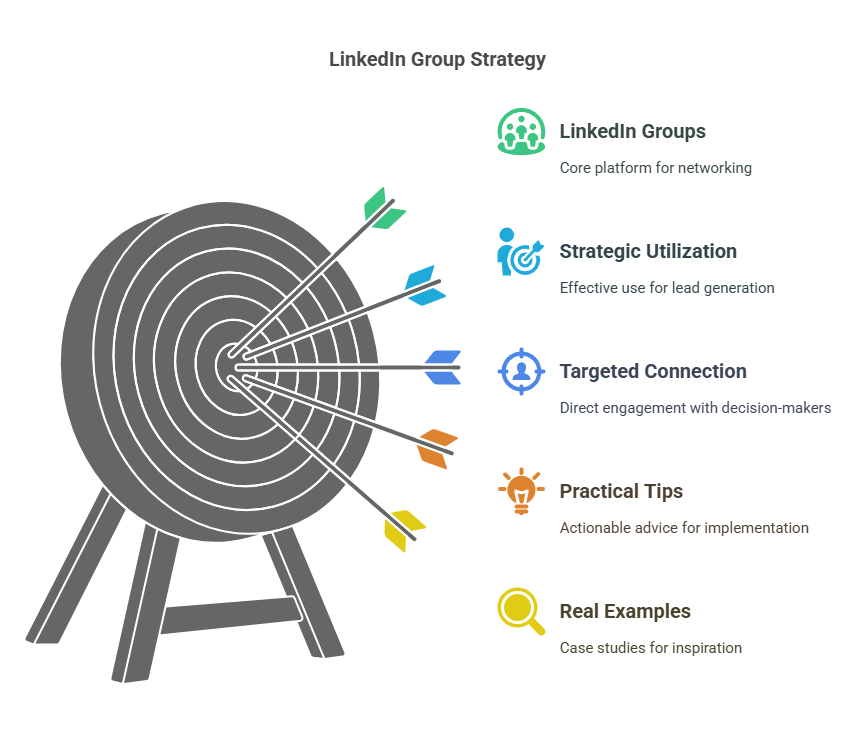
Understanding LinkedIn Groups
LinkedIn Groups are digital communities centered around industries, roles, skills, and professional interests. They provide a focused environment to learn, contribute, and build trust with like-minded professionals. This is especially useful for B2B development, where establishing credibility is essential.
Why They Matter for Lead Generation
LinkedIn Groups are more than just forums—they’re curated audiences. Members have already opted into a specific topic or niche, which means they’re pre-qualified in terms of interest. If your product or service solves a pain point relevant to that group, you’re in the right place.
Benefits of Leveraging LinkedIn Groups
- Access to a niche audience: Instead of broadcasting to a general feed, you’re interacting with people already interested in your field.
- Establishing authority: Regular contributions can position you as a go-to resource.
- Free exposure: LinkedIn Groups offer organic visibility without paying for ads.
- Building trust through community: Prospects are more likely to engage when they recognize you from valuable group interactions.
Step-by-Step LinkedIn Outreach Strategy Inside Groups
1. Identify the Right Groups
Use LinkedIn search to find groups using relevant keywords tied to your ICP (Ideal Customer Profile). Aim for groups with active discussions and more than 1,000 members.
Pro Tip: Join 3–5 groups per industry vertical to experiment and compare engagement levels.

2. Listen Before You Speak
Observe for a week. Note what kind of content performs best, who the regular contributors are, and which questions go unanswered. This sets the foundation for valuable participation.
3. Start with Thoughtful Engagement
Don’t pitch. Comment on posts, ask insightful questions and add nuance to existing conversations. This builds recognition and positions you for later outreach.
4. Create Group-Specific Content
Share short-form content (150–250 words) that answers common pain points or trends in your industry. End posts with a gentle CTA like, “Would love to hear how others are handling this.”
5. Build Warm Connections
Once you’ve interacted multiple times, send a personalized connection request. Mention the group and your appreciation for their insights. This transforms cold outreach into warm introductions.
6. Message With Context
Instead of jumping into sales mode, refer to your previous group discussion or shared post. Keep the message brief and focused on learning more about their role, not selling your solution.
Integrating LinkedIn Cold Outreach
Cold outreach can still work—but only if it’s done with precision and respect for the recipient’s time.
As HubSpot outlines, personalized LinkedIn outreach is key for effective cold emailing and messaging strategies.
What Sets Effective Cold Outreach Apart:
- Hyper-personalized intros referencing mutual groups or comments
- Short, curiosity-driven messages instead of long-winded pitches
- Clear value propositions that align with recipient goals
Sample Template:
Hey [Name], I saw your comment in [Group Name] about [Topic]. I help [Job Titles] tackle [Challenge] without [Pain Point]. Happy to connect if it’s something you’re exploring too.
Creating a Sustainable B2B Development Pipeline with Groups
LinkedIn Organic Outreach is most powerful when it feeds into your broader B2B sales strategy. That includes tracking, nurturing, and converting leads over time.
Salesforce outlines several B2B lead generation strategies that can complement LinkedIn Group outreach, helping businesses build strong pipelines through tailored content and consistent engagement…
Bridge the Gap Between Group Engagement and CRM
Use LinkedIn tools like Sales Navigator to bookmark leads you’ve interacted with in groups. Add notes about topics they care about. When they convert to connections, you’ll already know how to tailor your follow-ups.
Use Engagement Triggers to Time Outreach
Look for signs of engagement: likes, comments, or profile views. These are soft signals of interest. Reach out shortly after, referencing the exact action they took.
Build Your Reputation Over Time
Commenting consistently across multiple groups builds brand equity. When prospects see you show up with value repeatedly, outreach becomes much easier—they feel like they already know you.
Using Group Polls and Questions for Lead Signals
LinkedIn Groups allow members to post polls or ask questions. These tools are fantastic for generating qualified leads.
How to Use Polls
Create a poll around a challenge your product solves. Example:
“What’s your biggest challenge with B2B outreach right now?”
- Lack of time
- Low response rates
- Not sure where to start
- Other (comment below)
Then, follow up with commenters or voters privately offering a resource tailored to their answer.
Ask High-Engagement Questions
Open-ended questions that invite stories or experiences get higher engagement:
“Has anyone successfully shifted from cold outreach to organic? What changed your results?”
These questions help you identify active members you can later connect with.
Avoiding the Spam Trap in LinkedIn Groups
Unfortunately, many users abuse LinkedIn Groups by spamming links or making hard pitches. To succeed, you must avoid this at all costs.
The Dos and Don’ts:
- ✅ Do: Add value first, offer insights, ask questions
- ❌ Don’t: Drop links without context or immediately pitch a service
- ✅ Do: Engage with others’ content more than your own
- ❌ Don’t: Send copy-pasted messages to multiple group members
Building relationships through trust takes time, but it leads to high-quality leads.
How to Measure ROI from LinkedIn Group Outreach
Tracking results from LinkedIn Organic Outreach requires a few core KPIs:
- Engagement Rates: Track how often your posts and comments receive replies, likes, or shares.
- Connection Conversions: Measure how many group members convert to 1st-degree connections.
- Lead Quality: Use CRM data to assess how many group contacts move down the pipeline.
- Conversation Starts: How often do group interactions lead to conversations via DM?
Bonus Tip: Create UTM links when sharing resources inside groups so you can track referral traffic and engagement.
Long-Term Content Strategy for Group Positioning
If you want to own your niche in a LinkedIn Group, you need a content rhythm:
- Weekly Posts: Offer fresh insights or micro case studies every 7–10 days
- Monthly Trends Roundup: Summarize industry changes and invite commentary
- Quarterly AMA or Poll: Host Ask Me Anything threads or lead discussions
By showing up predictably, you become part of the group’s fabric. People start tagging you, referencing your input, and inviting you into bigger conversations—including off-platform.
Expand Your Influence Beyond Groups
To maximize results, LinkedIn Groups should not be the endpoint—they’re a launchpad.
Repurpose Group Content to Your Feed
Take your most engaging group posts and turn them into LinkedIn feed content. This way, your network sees your expertise, and your group insights reach a wider audience. Tag contributors or quote key replies to amplify exposure.
Use Group Feedback for Content Creation
The questions and discussions in groups are gold for content ideation. Build LinkedIn carousels, blog posts, and even webinars around the real pain points you uncover.
Collaborate With Active Members
Reach out to the most insightful or active group members and propose collaborations—like co-hosting a webinar, doing a podcast, or writing a joint article. This boosts credibility while multiplying reach.
Funnel Group Engagement Into Events
Once you’ve built trust in a group, consider creating LinkedIn Events (like workshops or live Q&As). Promote them in the group, but run them through your own page to grow your brand directly.
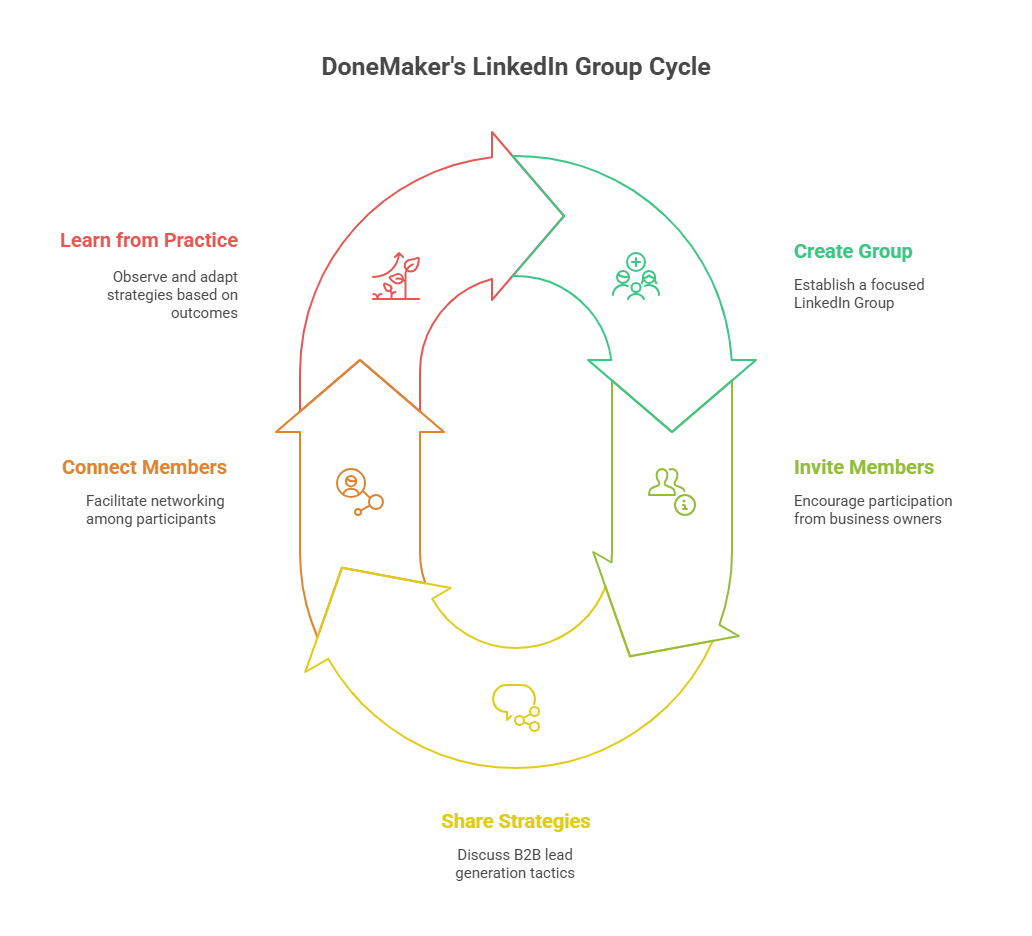
DoneMaker LinkedIn Groups
At DoneMaker, we don’t just talk about LinkedIn Group strategies—we use them. That’s why we created our own community: Client Acquisition Success Network for Business Owners. You’re welcome to join if you’re curious to see how a focused LinkedIn Group looks in practice or want to connect with others exploring B2B lead generation strategies.
Final Recommendations
- Join 5–10 groups that match your target persona
- Spend at least 15 minutes daily commenting or posting
- Track group interactions as part of your outreach pipeline
- Use polls and questions to generate lead signals
- Prioritize personalization over automation
- Set quarterly outreach goals based on group conversion rates
- Use LinkedIn Events within groups to increase authority