LinkedIn has become one of the most powerful tools for generating B2B leads. With millions of professionals and companies actively networking, the platform offers unique opportunities for businesses to connect with prospects, build relationships, and ultimately drive sales. However, to truly succeed on LinkedIn, you need a strategy that stands out. That’s where LinkedIn Sales Navigator comes into play.
Sales Navigator is a premium LinkedIn tool designed specifically for sales professionals, enabling them to uncover highly-targeted prospects, deepen connections, and build meaningful relationships. When combined with an effective LinkedIn Organic Outreach strategy, Sales Navigator can become a game-changer for your B2B lead generation efforts.
In this article, we’ll dive into the perfect LinkedIn Sales Navigator strategy that focuses on personalization, segmentation, and organic outreach, which are crucial for success in the B2B landscape. We will explore actionable tips, real-world examples, and how DoneMaker leverages this tool to drive targeted engagement and book calls with ideal prospects.
Understanding LinkedIn Sales Navigator
Before diving into strategy, it’s essential to understand what LinkedIn Sales Navigator is and how it works. Sales Navigator is a tool designed for sales professionals to help them find and connect with the right leads. With advanced search filters, personalized recommendations, and real-time insights, Sales Navigator is tailored to help you identify the most relevant prospects for your business.
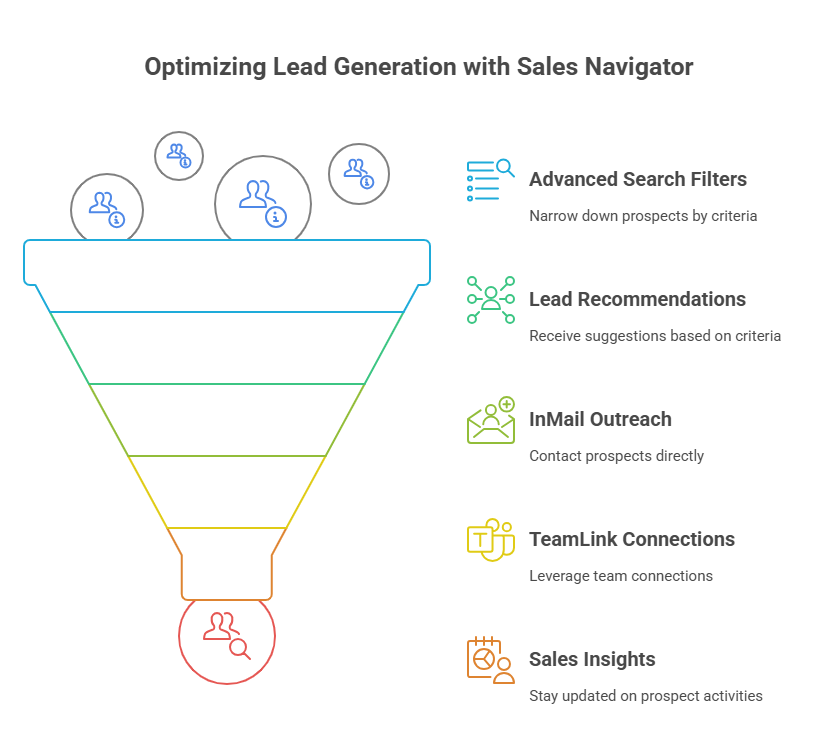
Here’s a quick overview of its key features:
- Advanced Search Filters: Search for prospects based on various parameters such as company size, job title, location, industry, etc.
- Lead Recommendations: The tool suggests leads that match your criteria, making it easier to find the right contacts.
- InMail: Reach out directly to prospects via LinkedIn messages, even if you’re not connected with them.
- TeamLink: Leverage connections within your team to expand your network and get introductions to key prospects.
- Sales Insights: Stay informed with real-time updates on your prospects, including job changes, company news, and more.
Sales Navigator allows you to build a lead list that is laser-targeted, ensuring that your outreach efforts are focused on those who are most likely to engage with your offering.
The Importance of Advanced Segmentation with LinkedIn Sales Navigator
Effective segmentation is the foundation of any successful B2B sales strategy. LinkedIn Sales Navigator simplifies this process by allowing you to filter prospects based on various criteria such as company size, geographic location, industry, and even specific job titles.
This level of personalization in your search ensures that your outreach efforts are much more targeted and efficient. The more specific you are in your segmentation, the more likely your messages will resonate with the right people, ultimately increasing response rates and the quality of relationships you build.
With Sales Navigator, you can create highly relevant prospect lists that align with your product or service offering. It’s not about sending mass messages to every LinkedIn user; it’s about making a more calculated and personalized approach. This strategy not only enhances the effectiveness of your communication but also increases the chances of generating high-quality sales opportunities over the long term.
Step-by-Step Guide to Building a Winning LinkedIn Sales Navigator Target List
Now that you have an understanding of LinkedIn Sales Navigator, let’s dive into how you can use it effectively to boost your B2B lead generation efforts.
1. Start with Detailed Segmentation
The key to any successful LinkedIn Organic Outreach campaign is ensuring you are targeting the right people. LinkedIn Sales Navigator allows you to segment your leads based on several factors, such as:
- Industry: If you’re offering a solution for healthcare businesses, for example, ensure you’re targeting healthcare professionals.
- Company Size: Different sized companies have different needs. A small business may have budget constraints that large enterprises don’t face.
- Job Titles: You should know exactly who in the company will benefit from your product or service. Sales Navigator helps you narrow down to specific roles, such as Marketing Managers or CTOs.
- Geography: Whether you are focusing on local leads or going global, geography plays an important role in crafting personalized outreach.
2. Build a Highly Targeted Lead List
Once you have segmented your prospects based on the factors mentioned above, the next step is to build a highly targeted lead list. Here’s where the power of Sales Navigator shines. Instead of manually searching through LinkedIn and hoping to find leads that match your criteria, Sales Navigator uses its advanced filters to automate the process.
By narrowing your search, you ensure that you’re reaching out to leads who truly match your ideal customer profile. The tool offers an easy-to-use interface that allows you to save lead lists, monitor them, and update your list with new prospects regularly.
3. Craft Personalized Outreach Messages
One of the most critical aspects of LinkedIn Organic Outreach is personalization. While some people might be tempted to send mass messages to hundreds of prospects, this approach rarely works. Instead, you need to send highly personalized messages that address the specific needs, pain points, and interests of each lead.
Personalization can include:
- Mentioning shared connections: If you have mutual connections, bring them up. This establishes trust right away.
- Referring to recent events: For example, if a lead recently posted about attending a conference or achieving a business milestone, congratulate them and tie it into your message.
- Identifying pain points: If your lead is in an industry that is facing a specific challenge, acknowledge this and explain how your product/service can help.

Example: DoneMaker’s Approach to LinkedIn Organic Outreach
At DoneMaker, we know that personalization is the cornerstone of successful LinkedIn Organic Outreach. By leveraging LinkedIn Sales Navigator, we build a segmented and highly-targeted lead list, which allows us to reach out to the right people with personalized messages that resonate with them.
Our LinkedIn Organic Outreach Service is fully manual, ensuring that every message is crafted specifically for the target lead. We focus on connecting with the highest-quality prospects by targeting decision-makers in industries where our services can bring real value.
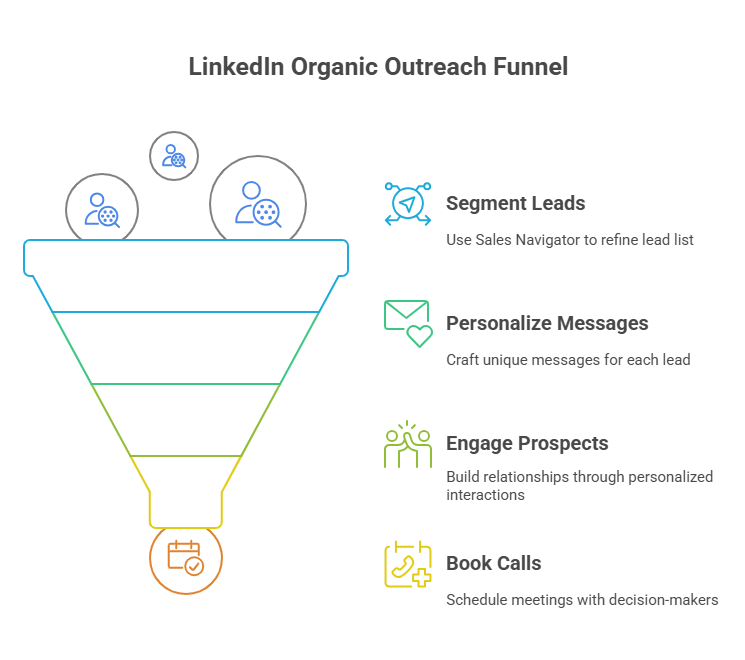
Here’s how we do it:
- Targeting: We use Sales Navigator’s segmentation features to pinpoint the most relevant leads.
- Engaging: Through personalized messages, we build relationships with our prospects, addressing their unique challenges.
- Booking Calls: Once the connection is established, we take care of the next step: scheduling calls with the right decision-makers.
Why LinkedIn Organic Outreach Matters for B2B Sales
You might wonder why LinkedIn Organic Outreach is worth investing in, especially when you can use paid ads or automated tools. The answer lies in its long-term benefits. Organic outreach focuses on building real relationships, not just pushing a product.
Here are a few reasons why LinkedIn Organic Outreach is so effective:
- Higher Engagement Rates: Personalized messages and connections tend to lead to higher engagement and response rates.
- Trust Building: When you engage with someone on a one-to-one basis, you build trust. And trust is essential for closing deals in the B2B world.
- Long-Term Relationships: Organic outreach allows you to nurture leads over time, keeping the conversation going even if they’re not ready to buy immediately.
By using a thoughtful, personalized approach to outreach, businesses can form valuable relationships that may lead to future opportunities.
The Importance of Consistent Follow-Up
One of the key aspects of LinkedIn Organic Outreach is the importance of follow-up. Many professionals make the mistake of thinking that a single outreach message will be enough to secure a meeting or close a deal. However, it takes multiple touchpoints to build a relationship and get a response.
Here’s why consistent follow-up is critical:
- Increased Visibility: When you follow up, you remind prospects of your value proposition and keep yourself top of mind.
- Trust and Rapport: By engaging with prospects multiple times, you demonstrate your commitment to solving their problems and building a long-term relationship.
- Timing is Everything: A well-timed follow-up can be the difference between a lost lead and a booked call. People are busy, and they may miss your initial outreach, but a thoughtful follow-up can bring your message to their attention at the right time.
Here’s an example of how a simple follow-up message could look: “Hi [Name], I wanted to follow up on my previous message regarding [specific challenge]. I understand that things get busy, and I wanted to see if you might have time for a quick call this week to discuss how [product/service] could help your team with [specific need].”
Real-World Examples of LinkedIn Organic Outreach Success
Let’s look at some companies that have mastered LinkedIn Organic Outreach and how they’ve successfully used Sales Navigator to generate leads.
- HubSpot: HubSpot uses LinkedIn Organic Outreach to engage with potential customers by sharing valuable content and offering solutions that cater to each lead’s unique needs. They use personalization to initiate connections and build a strong foundation for ongoing conversations.
- Salesforce: Salesforce takes advantage of LinkedIn Sales Navigator’s advanced filters to target the right decision-makers. They craft personalized messages based on industry trends, job titles, and pain points, which makes their outreach more effective.
Final Recommendations
Mastering LinkedIn Organic Outreach with LinkedIn Sales Navigator requires careful planning, segmentation, and a personalized approach. To sum up, here are our final recommendations:
- Invest time in segmentation: Properly segmenting your leads based on factors like industry, job title, and company size will help you save time and effort by focusing only on prospects who are likely to engage.
- Leverage personalization: Always craft personalized outreach messages. Avoid generic, one-size-fits-all approaches.
- Be consistent: The more effort you put into LinkedIn Organic Outreach, the better your results will be. Consistency in your outreach is key.
- Use LinkedIn Sales Navigator: If you’re serious about generating leads on LinkedIn, Sales Navigator is a must-have tool. It helps you refine your outreach efforts and connect with the right people at the right time.
At DoneMaker, we apply these strategies to ensure that we are reaching out to the right prospects with tailored, personalized messages that convert. We work closely with clients to refine their outreach efforts and build meaningful relationships that lead to long-term success.