
Why B2B Case Studies Matter
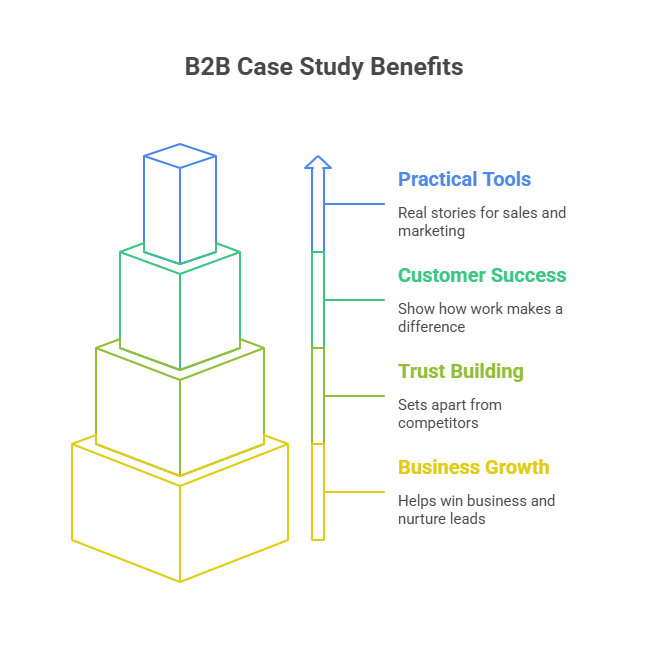
B2B case studies are some of the most practical tools you can use in B2B sales and marketing. They’re real stories about real results, helping prospects see what’s possible when they work with you. By sharing customer success stories, you’re not just listing features, you’re showing how your work makes a difference. This builds trust, sets you apart from competitors, and gives prospects the confidence to move forward.
Let’s dig into how case studies help you win business, nurture leads, support your marketing, and build strong relationships. You’ll find tips, examples, and ideas you can use right away.
What Are B2B Case Studies?
A B2B case study is a story about how you helped a client solve a specific problem or achieve a particular goal. It’s not just a list of features or a generic testimonial; it’s a detailed account of a real business challenge, your solution, and the results that followed.
What Makes a Good B2B Case Study?
- Background: Who is the client? What industry are they in? What challenge were they facing before they came to you? The more relatable the background, the more your prospects will pay attention.
- Solution: What did you do to help? Be specific about your approach and why it made sense for that client.
- Results: What changed? Did the client save money, increase revenue, speed up their workflow, or improve customer satisfaction? Use numbers and concrete outcomes whenever possible.
- Testimonials: Let your client speak for themselves. A quote or two about their experience adds credibility and a human touch.
- Visuals: Charts, before-and-after screenshots, or even a short video can help tell the story faster and more clearly than words alone.
A great B2B case study is clear, honest, and focused on outcomes. It’s written for your prospects, not just to make you look good.
How B2B Case Studies Help Sales and Lead Generation
Building Trust
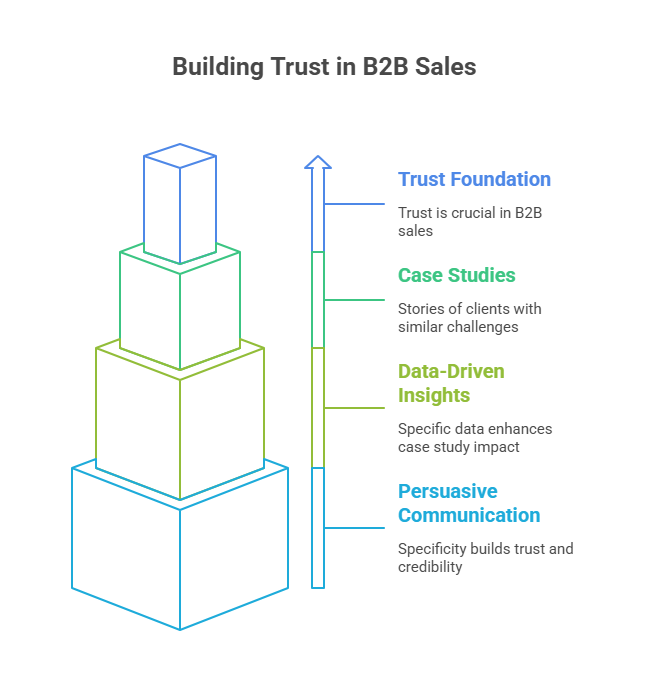
In B2B sales, trust is everything. Buyers are cautious, they’ve been burned before, or they’re making decisions that could affect their whole team or company. Case studies help lower the risk for them. When you share a story about a client who faced a similar challenge and saw real results, you’re giving your prospect a reason to believe you can deliver. You can learn more about B2B sales and lead generation here: https://donemaker.com/how-sales-and-marketing-alignment-drives-effective/
Case studies are compelling when they include hard data. For example, “Our solution helped Company X cut costs by 30% in six months” is much more persuasive than “Our solution is cost-effective.” The more specific you are, the more trust you build.
Moving Prospects Closer to a Decision
A case study is a great tool for moving prospects through the sales process. Early on, it shows you understand their industry and challenges. As they get closer to making a decision, it helps them picture what success looks like.
- Early Stage: Share stories that highlight your expertise and experience.
- Middle Stage: Offer examples that match the prospect’s industry, company size, or problem.
- Decision Time: Use detailed results and client feedback to help prospects feel confident about moving forward.
A well-placed case study can answer objections, address doubts, and give prospects the nudge they need to take the next step.
Standing Out from the Competition
Most B2B solutions sound similar on paper. Case studies help you stand out by showing how you solve problems in ways others can’t. Maybe you delivered faster results, provided better support, or helped a client achieve something unexpected. These stories make your business memorable and give you an edge.
Boosting Conversions
People are more likely to act when they see proof that your solution works. Case studies can increase demo requests, sign-ups, and sales by showing prospects what’s possible. They turn “maybe” into “let’s talk”.
Using Case Studies for Lead Nurturing
Keeping Leads Engaged
Lead nurturing is about building relationships over time. Not every prospect is ready to buy right away. Case studies keep your company in the conversation by offering helpful, relevant content at each stage.
- First Touch: Share a quick win or short story to get their attention.
- Middle of the Funnel: Offer a detailed case study that matches their situation or pain point.
- Ready to Buy: Present a story with strong data and testimonials to help them make a final decision.
This approach keeps your brand top-of-mind and shows you understand their journey.
Personalizing Your Approach
Not all leads care about the same things. Some want to see stories from their industry; others want to know about companies their size. Organize your case studies so you can quickly send the right story to the right person. Personalization makes your outreach more relevant and effective.
Where to Use Case Studies in Nurturing
- Email Campaigns: Drop a relevant case study into your follow-up sequence.
- Webinars: Use stories as real-life examples during presentations.
- Sales Calls: Share a case study that addresses a prospect’s specific concern or goal.
Case studies aren’t just for marketing—they’re a tool your whole team can use to keep leads moving forward.
B2B Case Studies in Content Marketing
Making Your Content More Credible
Case studies are some of the most persuasive content you can produce. They’re proof that your solution works, not just theory. You can use them in many formats: blog posts, videos, infographics, podcasts, or even as part of a larger report.
- Blog: Write up a full story or pull out key lessons for a quick read.
- Ebooks: Combine several case studies to show your range of expertise.
- Videos: Let your clients share their experience on camera for a more personal touch.
Mixing up the format helps you reach different audiences and keeps your content fresh.
Building Your Reputation
When you consistently publish honest, insightful case studies, you build a reputation as a trusted advisor. Prospects and clients start to see you as someone who understands their challenges and knows how to solve them. This reputation pays off with more referrals, repeat business, and inbound leads.

Attracting Website Visitors
People search online for solutions to their problems. If your case studies are easy to find and well-written, they’ll help bring new visitors to your site. Optimizing case studies with relevant keywords can improve your search rankings and attract the right kind of traffic—people who are already interested in what you offer.
Customer Success Stories: The Core of Great Case Studies
What Makes a Customer Story Work?
A great customer story is relatable, specific, and honest. Here’s what to focus on:
- Relevant Challenge: Pick stories that mirror the problems your audience faces. The more your prospect can relate, the more effective the story.
- Clear Solution: Spell out exactly what you did to help. Don’t be vague—details matter.
- Measurable Results: Use real numbers and outcomes. Did you help your client grow revenue, save time, or improve satisfaction? Show it.
- Authentic Voice: Let your clients speak in their own words. A candid quote is more powerful than any marketing copy.
Real Examples
- Salesforce: Their case studies feature brands like FedEx and Formula 1, showing how their tools drive real business results.
- McKinsey: They publish stories that highlight their impact across different industries, building authority and credibility.
Why Storytelling Matters
Facts and figures are important, but stories are memorable. When you tell a case study from the client’s perspective, you help prospects imagine themselves in the same situation. It’s not just about what you did—it’s about the journey, the challenges, and the results.
How Case Studies Build B2B Trust
Social Proof
Buyers want to know they’re making a safe choice. When they see other businesses have succeeded with your help, it lowers the risk in their minds. Social proof is one of the most effective ways to build confidence and move deals forward.
Handling Objections
Every prospect has concerns, about price, timing, integration, or results. A well-chosen case study can address these head-on. For example, if someone is worried about a complex rollout, share a story where you made implementation smooth and painless. Real stories answer questions better than any FAQ.
Keeping Clients Coming Back
Case studies aren’t just for new business. Share them with your current clients to remind them of your impact and introduce new ways you can help. This can lead to upsells, renewals, and referrals.
Tips for Creating Strong B2B Case Studies
Make It About the Client
The best case studies focus on the client’s journey. Your product or service is part of the story, but the client is the main character. Highlight their challenges, decisions, and results.
Use Real Data
Specific numbers—like cost savings, time saved, or revenue growth—make your story believable. Avoid vague claims and focus on measurable outcomes.
Keep It Short and Engaging
Break up your text with headings, bullet points, and visuals. Write the way you’d explain it to a colleague—clear, direct, and to the point.
Add Visuals
Charts, graphs, and images help people understand the results quickly. A before-and-after graphic or a simple chart can make your impact clear at a glance.
Get Approval
Always check with your client before you publish their story. Ask for a quote or testimonial to add credibility. Collaboration ensures accuracy and builds goodwill.
How to Share and Promote B2B Case Studies
On Your Website
Create a dedicated section for case studies. Link to them from your product or service pages so prospects can see proof of your results. You can see an example of how we share our case studies here: https://donemaker.com/
Sales Materials
Give your sales team digital or printed versions to use in meetings, presentations, or follow-up emails. Having the right case study on hand can make a big difference.
Social Media
Share highlights, quick stats, or quotes from your case studies on LinkedIn, X, or wherever your audience spends time. Short snippets can drive traffic back to the full story.
Include relevant case studies in your newsletters or as part of targeted campaigns. Personalize your outreach by matching stories to each recipient’s industry or challenge.
Events and Webinars
Use case studies as examples during presentations, workshops, or webinars. Real stories make your points more memorable and persuasive.
Measuring the Value of B2B Case Studies
What to Track
- Engagement: Are people reading, downloading, or watching your case studies? Track page views, downloads, and time spent on each story.
- Lead Generation: How many new leads come from your case study content? Use forms or calls-to-action to measure interest.
- Conversions: Are prospects more likely to buy after seeing a case study? Track conversion rates and look for patterns.
- Sales Cycle: Does sharing case studies help close deals faster? Ask your sales team and look at the data.
Get Feedback
Ask your sales team and clients for input. Are your case studies answering the right questions? Are they helping close deals? Use this feedback to improve your stories and your process.
Common Pitfalls to Avoid
- Too Much Focus on Your Product: Keep the spotlight on the client’s story and results.
- Vague Results: Use real numbers and clear outcomes whenever possible.
- No Visuals: Add images, charts, or graphics to make the story easier to digest.
- No Client Input: Work with your client to make sure the story is accurate and authentic.