People often imagine a linear path to business success: a great idea, a lucky break, and suddenly a shiny office and big revenue numbers. The real story is messier. There were missteps, late nights, spreadsheets that made my stomach drop, and a lot of deliberate choices about what to keep and what to cut. The work that matters is quietly consistent: choosing the right clients, measuring what matters, investing in people, and protecting the reputation you build.
The lessons below are the practical playbook I wish someone had handed me when I started. They come from years of running an agency, building a personal brand about money and media, making acquisitions, and learning how to run a business that actually makes money. If you’re trying to scale a service business, sharpen your PR, or hire leaders who move the needle, these are the patterns that will save you time and money.
Table of Contents
- Where it began: an obsession with media and a money club that changed everything
- Small behaviors matter more than flashy hacks
- When revenue grows, different problems appear — and they require different thinking
- Hiring: growth mindset beats pedigree
- Acquisitions: slow the integration and manage expectations
- Culture that scales: values that matter
- Cutting through the noise: a three-part approach to PR and brand
- Authenticity matters more than artificial polish
- Where attention goes in the next few years
- How to get started if you are scaling right now
- What I would say to founders making the common mistakes I made
- Contact and next steps
- Frequently asked questions
Where it began: an obsession with media and a money club that changed everything
I grew up wanting to be a TV producer. I imagined working on the Oprah Winfrey show — the storytelling and the reach felt magnetic. That obsession with media didn’t lead to an easy path, but it shaped everything I do now. A journalism education taught me how to think like a storyteller, and the first meaningful role I had was as a PR manager in a fast-growing scale-up. PR wasn’t side hustle fluff for that business; it was the number one driver of brand and franchise growth. That early experience proved a simple thesis: earned media moves markets and changes perception.

A strange, vital pivot came in the form of a “money club” — a group of colleagues who met to talk frankly about money. Those weekly conversations changed my relationship with spending and helped me build a mindset that made long-term moves possible. We eventually ended up on national television, got book deals, and built a consumer-facing brand. That trajectory shows a hidden rule: culture and credibility compound over time. Little, consistent actions add up.
Small behaviors matter more than flashy hacks
One of the most underappreciated truths about financial literacy and sustainable business growth is how small habits stack. How you do anything is how you do everything.
- Daily frictionless spending adds up. Regular food delivery, daily coffees, and impulse buys quietly erode long-term options.
- Make the systems automatic. A simple rule I follow: for every new item I bring in, I sell something. It forces thoughtful consumption and creates a little runway for new investments.
- Prioritize ownership over convenience. I would rather live in a modest place I own than pay rent in a nicer area. That choice is boring but financially powerful.
Those small decisions made it possible to pay down a mortgage, build a real estate portfolio, and invest at scale. It also protected my freedom to make strategic decisions in business rather than being hostage to lifestyle expenses.

When revenue grows, different problems appear — and they require different thinking
At a few years into running an agency, you stop worrying about “finding customers” and start worrying about “what to do with the customers you have.” Revenue growth creates new questions: profitability, operational efficiency, hiring, and productization. That transition is where many businesses stall.
“If your profit margins are not even double digits… I believe they should be 20 plus or you should get a job.”
That line sounds blunt, and it is. A business that only pays salaries and keeps a sliver for risk isn’t a durable company. It is a fragile organization that will struggle in a downturn. These are the concrete steps that changed the outcome for us.
Measure everything that moves the revenue needle
For the first years I was running the agency, I had no real benchmarks for target margins or unit economics. Once we engaged consultants and built a dashboard to track what we did, everything changed. We began to measure time spent per client, margin per engagement, sales pipeline velocity, and utilization rates.
- Time tracking revealed over-servicing. Some clients were bleeding us dry. We were doing more than we charged for, and the math was obscured by gross revenue.
- Shifting attention to profitable pockets paid off. Within a year of disciplined measurement and revising our client mix, we moved from single-digit profit margins to the mid-20s.
- Firing clients is a feature, not a failure. Letting go of low-margin relationships freed capacity to do better work for clients who value it.

What you measure, you manage. Build a simple tracker, then evolve it. At first, that might be a spreadsheet. Later it will be a CRM and dashboard that everyone can use. The important part is a shared system and a rhythm of reviewing the numbers.
Hiring: growth mindset beats pedigree
Hiring is a messy, human process. You can see candidates at their best in interviews and still miss on fit. Over decades of hiring, acquisitions, and leadership churn, one indicator has consistently outperformed resumes and references: a growth mindset.
People who believe they can learn, who have curiosity and grit, tend to show results quickly. Great hires “come out of the box swinging” and make an outsized impact within the first month. For leadership roles, add further dimensions:
- Manager level: speed and thoroughness. Can they prioritize and execute? Managers juggle many clients and deliverables; they need to be two steps ahead.
- Director level: bookending and coaching. The best directors set expectations, check in, and lift the team rather than doing it all themselves.

Hire for mindset first, skill second. Skills can be taught if the attitude is right. A dangerous hire is the brilliant lone wolf who prefers to fix everything instead of scaling others.
Acquisitions: slow the integration and manage expectations
Acquisitions are tempting: they promise immediate scale, new clients, and talent. But they are also a litmus test for patience and process. The speed at which you integrate an acquired team often determines whether the acquisition yields value or becomes a drain.
- Resist the rush to re-title founders. Giving an entrepreneur a grand title and a team to manage on day one creates expectations that often don’t match capability or desire.
- Take a staged integration approach. Allow a year for cultural and systems integration: time tracking, HR tools, client platforms, and shared process adoption.
- Be honest about fit. Sometimes the founder who built a business is not the best operator inside your structure. Have candid conversations and built-in checkpoints to evaluate fit.
“You want the deal to be done so bad… It is a square peg round hole kind of concept to say you built a house and now you are in our family and day one you’re just gonna look like us and act like us.”

A bad acquisition can create a year of cleanup where you end up firing clients and taking hits to profitability. A disciplined process, a willingness to walk away from cultural mismatches, and clear expectations reduce that risk.
Culture that scales: values that matter
When a business grows, culture either scales or fractures. To keep a cohesive, high-performing team, codify the behaviors you reward. We focused on a few simple but powerful values:
- Be business-minded. Our team treats client businesses like their own. That mindset leads to better ideas and measurable results.
- Get it factor. This is about coming two steps ahead: understanding the work and anticipating the next need before it’s asked for.
- Seek equity. Justice, equity, diversity, and inclusion are not add-ons. They shape hiring, partnerships, charitable giving, and how we show up for audiences and clients.

These values are living things: they are discussed in onboarding, reinforced in performance reviews, and visible in the kinds of clients we take on and the projects we say no to.
Cutting through the noise: a three-part approach to PR and brand
There is more noise than ever. Platforms multiply, content formats fragment, and attention is scarce. Companies panic and try to be everywhere at once. That rarely works. The approach that consistently wins includes three pillars.
1. Be excellent
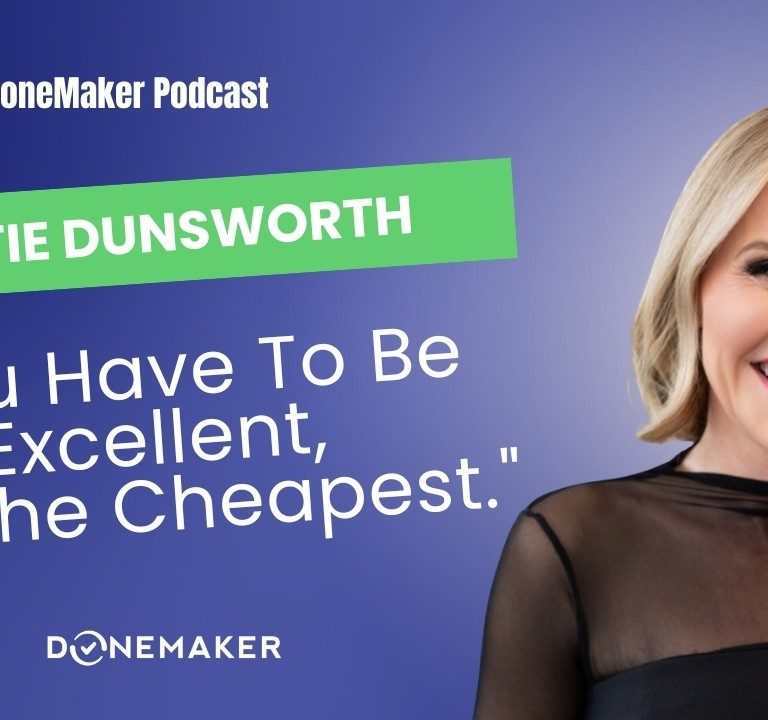
Quality still signals. Instead of being the cheapest or the loudest, we focused on delivering measurable, high-quality outcomes for clients. When your work moves the business needle, referral growth follows. Excellence is a long-term marketing engine.
2. Focus deeply on chosen sectors
Specialize. We do fewer industries but do them very well: technology, fintech, health tech, and scale-ups. Deep industry knowledge lets you anticipate regulatory questions, know the right journalists, and craft narratives that resonate.
3. Be distinct
Don’t copy the market. Commit to a point of view and a delivery model that differentiates you. That might be a white glove approach, a proprietary measurement framework, or a niche editorial stance. Whatever it is, commit and execute.

For clients in complex or “boring” industries — think financial processing or backend ecommerce tech — the path to coverage is incremental and strategic.
- Start with thought leadership. Help executives develop clear, topical opinions. An op-ed or LinkedIn series can warm up a CEO as a source.
- Tie launches to timely hooks. If consumer pain points spike around holidays, use that calendar logic to pitch stories with context.
- Use owned channels to create signals. Build a content footprint the media can point to: consistent posts, strong bylines, and a pattern of commentary.
Earned media amplifies owned work. Be patient. PR is compounding; consistent, topical contributions build credibility.
Authenticity matters more than artificial polish
We live in an era of authenticity fatigue. The curated grid and overproduced imagery are losing credibility. Audiences want real people and real problems. That has implications for content and AI adoption.

AI is a powerful tool for internal workflows and scaling tasks, but it cannot replace the human signals audiences perceive. Consumers can detect inauthentic content quickly. When a choice must be made between a cheaper, AI-driven video and a genuine recording with clear context, choose authenticity for anything that represents your brand publicly.
- Use AI for ops, not as a mask. Automate repetitive things: data processing, draft generation, or internal research. But keep public-facing storytelling human.
- Test small and iterate. If you pilot AI-generated creative as a stunt, label it or pair it with human commentary. Transparency builds trust.
Where attention goes in the next few years
Looking ahead, the broad trend is clear: linear broadcast will continue to shrink while on-demand, short-form, and niche long-form content coexist. But a few constants remain.
- Community wins. Humans want to belong to something. Experiences that create real connection — events, retreats, local groups — will continue to convert brand fans into loyal advocates.
- Out-of-home still works for awareness. Billboards and experiential stunts won’t take you from zero to one hundred thousand customers, but they remain useful for brand-building.
- Long-form conversation retains power. Podcasts and deep interviews cut through the noise because they allow nuance and human voice.

Invest in formats that let you demonstrate expertise and personality. A single well-produced long form piece that shows leadership and depth can outperform a dozen shallow posts.
How to get started if you are scaling right now
If you are in year three to five and feeling the growing pains, here is a practical checklist to make the next 12 months count.
- Make the numbers visible. Implement a dashboard that shows profit margin by client, utilization, and pipeline velocity. Review it weekly.
- Audit your client portfolio. Identify top 20 percent clients that produce the best margins and double down. Fire the bottom 20 percent that are margin killers.
- Standardize delivery. Document processes and quality checks so work is consistent and scalable.
- Hire for mindset. For every role, prioritize curiosity and ownership. Use the first 30 days as a performance checkpoint.
- Invest in measurement tools. Clients care about outcomes. Use tracking to tie PR and digital work back to business metrics.
- Protect authenticity. Use AI where it saves costs internally. Keep outward-facing content human and accountable.

What I would say to founders making the common mistakes I made
If I could condense two decades of mistakes and corrections into a short note, it would be this:
- Be ruthless about profitability. Growth that erodes margins is not growth. Target double-digit margins early, and avoid the temptation to scale at any cost.
- Measure and act. Something as simple as a time-tracking habit can reveal whether you are delivering value or losing it.
- Value people over appearance. The loudest accounts and flashiest social posts rarely equate to durability. Build processes that empower your team to deliver consistent results.
- Be patient in integration. Whether hiring or acquiring, give people space to adapt and set up clear checkpoints to reassess fit.
Contact and next steps
If this approach resonates, the next move is always to pick one thing from the checklist and commit to it for 90 days. Make the numbers visible. Fire one low-margin client. Hold one thought leadership piece and pitch it with a timely hook. Small experiments, run well, compound faster than grand plans executed poorly.

Frequently asked questions
What profit margins should a service agency aim for before scaling?
Target double-digit profit margins early. A sustainable business typically aims for at least 20 percent profit margins. Single-digit margins are fragile and make scale risky.
How do you know which clients to fire when margins are low?
Measure time versus revenue by client. Identify relationships where you consistently over-serve. If a client expects unlimited time for a low fee and resists fair pricing, they are a candidate to let go. Prioritize clients that value outcomes and pay accordingly.
What is the best metric to start tracking if you only have one spreadsheet?
Start with time tracked per client and margin per engagement. That reveals where you are profitable and where you are losing money. Once you understand that, add pipeline velocity and conversion rates.
How do you integrate founders after an acquisition without losing them?
Use a staged integration process: begin with shared space and basic systems, introduce time tracking and core platforms gradually, and schedule formal check-ins. Avoid re-titling founders into roles with large teams on day one. Allow up to a year to test fit and have candid conversations if expectations misalign.
Can AI replace authentic content for PR and marketing?
AI is valuable for internal efficiencies like research and drafting, but audiences detect inauthenticity. Use AI as an ops tool rather than a substitute for public-facing storytelling. Preserve human voice for content that represents your brand.
How do you get media coverage for “boring” or regulated industries?
Start with executive thought leadership: op-eds, LinkedIn posts, and topical commentary tied to current events. Use timely hooks and A/B test different story angles. Build owned content to demonstrate expertise, then leverage relationships with journalists for earned coverage.
What hiring trait predicts long-term success?
A growth mindset. Candidates who are curious, resourceful, and willing to learn outperform those with only credentials. Look for early signs in the first 30 days: do they exceed reasonable expectations and show initiative?
How do small financial habits influence business decisions?
Personal money habits reflect decision-making patterns. Daily disciplines like selling items before buying new ones, prioritizing ownership, and resisting lifestyle inflation create the margin to invest in business opportunities without overleveraging.
What should a CEO prioritize when facing “money problems” in a growing business?
Make the numbers visible, audit the client portfolio, and adjust the offering. Focus on profitable products and clients, increase prices where value is clear, and eliminate or outsource low-margin work. Operational rigor and disciplined hiring are also critical.