Table of Contents
In 2025, managing your LinkedIn connections with intention is more important than ever for effective B2B relationship management and networking success. Removing connections is not just about shrinking your network; it’s a strategic move to ensure quality, relevance, and professionalism.
This comprehensive article explores when and why it makes sense to remove LinkedIn connections, balancing etiquette with practical benefits. Expert tips, real-world examples, and actionable recommendations will guide professionals to curate a purposeful LinkedIn network that supports meaningful engagement and opportunity.
Understanding the Role of LinkedIn Connections in 2025
LinkedIn Connections Importance in 2025
LinkedIn has evolved beyond a digital resume platform to a dynamic space where professionals build relationships, establish thought leadership, and generate business opportunities. At the heart of this ecosystem lie LinkedIn connections, virtual relationships that represent your extended professional network. Learn more about LinkedIn Connections here: https://donemaker.com/linkedin-organic-outreach-methods-that-turn/
In 2025, quality trumps quantity when it comes to LinkedIn connections. Your network’s value is determined by how well your connections align with your current professional goals, industry interests, and the potential to engage meaningfully. This shift from mass connection accumulation to strategic, targeted networking means actively managing your connections to maintain relevance and usefulness.
An overly large but disengaged network can dilute your LinkedIn experience by flooding your feed with irrelevant posts, making it difficult to focus on valuable content and interactions. On the other hand, a tightly curated network enables better visibility for your posts, easier follow-up with prospects, and more fruitful relationship management.
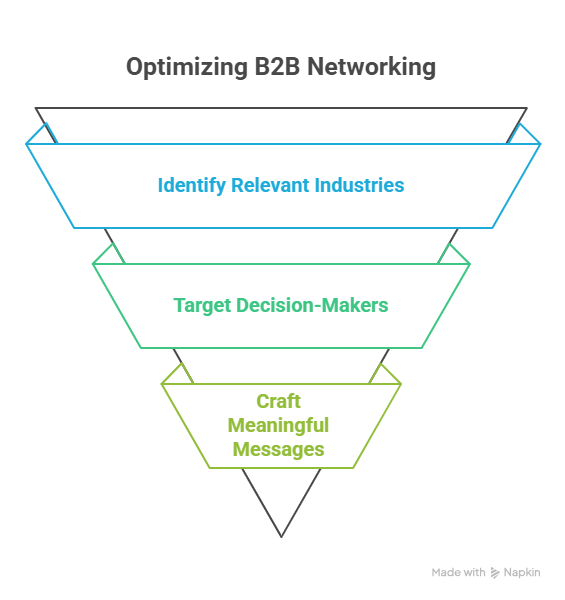
For instance, consider a B2B sales professional who connects blindly with hundreds of prospects from various unrelated industries. The result is a cluttered feed and diluted messaging impact. By contrast, a thoughtful network of industry-relevant decision-makers means higher engagement rates and more meaningful conversations.
When Does It Make Sense to Remove LinkedIn Connections?
Removing connections is sometimes misunderstood as an unfriendly or negative action, but in professional contexts, it is often a strategic necessity. Here are the key scenarios when removing a LinkedIn connection is a wise decision:
1. Irrelevance and Inactivity
Connections that do not align with your professional path or no longer engage with your content can be candidates for removal. Over time, people change roles or leave industries, making the connection less valuable. Removing these connections helps keep your network focused and manageable.
2. Spam and Unprofessional Behaviour
Unfortunately, some connections may post excessive promotional content, irrelevant spam, or partake in unprofessional conduct. Removing such connections maintains the professionalism of your network and protects your personal brand.
3. Changed Business Relationships or Conflicts
If a professional relationship has soured or there has been a conflict, disconnecting from the individual may be necessary to preserve your reputation and emotional well-being.
4. Privacy and Boundary Concerns
Sometimes, connections share sensitive or inappropriate information. Removing them ensures your LinkedIn environment remains safe and respectful.
5. Network Simplification for Better Management
Large networks can be overwhelming and reduce the ability to follow up effectively. Removing connections that don’t provide active value lets you focus on nurturing genuine relationships. You can learn more about this topic here: https://www.linkedin.com/pulse/what-should-your-linkedin-strategy-2025-scott-aaron–rcb3e

Example: A marketing director who previously added vendors during a project but no longer works with them and finds their content irrelevant can safely remove those contacts to streamline their feed and focus on active partnerships.
How to Remove Connections on LinkedIn Properly and Professionally
Google Ads excels in demand capture, reaching active searchers and buyers primed to act. LinkedIn organic outreach supports demand generation and lead nurturing, creating awareness, educating buyers, and establishing relationships before they are ready to buy.
Together, they power a full-funnel approach that attracts, engages, and converts effectively.
LinkedIn makes it simple to remove connections without notifying the other party, which allows you to manage your network discreetly and professionally.
Step-by-Step Removal Process
- Go to the My Network tab.
- Click Connections.
- Find the connection you want to remove.
- Click the More icon (three dots) beside their name.
- Select Remove Connection and confirm.
Alternatively, you can remove a connection directly from their profile by clicking the More button and selecting Remove Connection.
Important Considerations:
- Removing a connection deletes any endorsements and recommendations exchanged with them. If the connection is re-added later, these are not restored.
- Removal does not notify the person, so the act remains private.
- If unsure about the relationship, consider unfollowing instead of removal. Unfollowing hides their activity from your feed without severing the connection. You can learn how to remove contacts properly here: https://www.linkedin.com/help/linkedin/answer/a541617
LinkedIn Etiquette 2025: Maintaining Professionalism While Managing Connections
LinkedIn etiquette in 2025 stresses intentional networking, authentic engagement, and respectful communication. Managing connections, including removal, should reflect these values.
Best Practices for Etiquette-Conscious Connection Management:
- Assess Motives Thoughtfully: Remove only for well-considered reasons, not out of impulse or minor disagreements.
- Prioritize Quality Over Quantity: A smaller, engaged network is more valuable than a sprawling, disconnected one.
- Unfollow If Appropriate: If an issue is content overload rather than relationship quality, unfollow to maintain access without disruption.
- Communicate When Needed: In cases where the connection is essential but changes must be explained, such as ending a collaboration, consider courteous messaging to maintain goodwill.
- Align Connections with Goals: Regularly ensure your network matches your evolving career objectives and industry focus.
Following these principles preserves reputations and signals professionalism to your broader audience.
Practical Tips for Healthy LinkedIn Connection Management
Managing LinkedIn connections is an ongoing process involving a few practical habits:
1. Regular Network Audits
Schedule quarterly or biannual reviews of your connections. Identify stale or irrelevant contacts using LinkedIn’s search and filter tools, and remove or unfollow as needed to keep your network fresh.
2. Personalize Connection Requests
Strengthening new connections with personalized messages increases engagement and reduces the chances of future removals.
3. Engage Actively and Strategically
Consistent engagement with your most valuable connections through comments, messages, and shared content nurtures relationships and establishes your credibility.
4. Use LinkedIn Tools for Organization
Third-party LinkedIn CRMs can help categorize connections by priority, industry, or engagement level, supporting better management.
5. Avoid ‘Connection Hoarding’
Resist the temptation to accept invitations indiscriminately. Utilize LinkedIn’s “Follow” feature to stay updated on professionals without connecting directly when appropriate.
Example: An outreach specialist may track leads and clients in different lists and remove or deprioritize connections who became inactive or unresponsive after outreach campaigns, focusing their time on warmer leads.
Why Removing Connections Supports B2B Relationship Management
In B2B contexts, relationship quality matters far more than network size. A well-curated network facilitates quicker identification of decision-makers, better content resonance, and more productive communication.
Removing non-strategic or unproductive connections means:
- Your content reaches a more relevant audience.
- Follow-up is easier with fewer but higher-quality contacts.
- Your LinkedIn analytics better reflect genuine engagement.
- You avoid brand damage from association with spammy or inappropriate contacts.
Done correctly, removal complements outreach and lead generation strategies by focusing efforts on meaningful, actionable relationships that drive business outcomes. Learn more about LinkedIn here: https://donemaker.com/guide-for-linkedin-profile-set-up-networking-in-2025/
Final Recommendations
- Periodically audit and refine your LinkedIn network to align with changing goals.
- Be deliberate about removing connections that no longer serve your professional interests or whose behavior conflicts with your values.
- Use removal and unfollowing as tools to maintain a productive and pleasant LinkedIn environment.
- Always maintain professionalism and etiquette during connection management.
- Invest in quality engagements over network size to enhance your LinkedIn effectiveness.
Following these targeted practices helps create a LinkedIn presence that supports genuine networking, career growth, and B2B success.
FAQ
Yes. LinkedIn does not notify users when they are removed from your connections. They will simply lose access to your restricted content and disappear from your network.
They are removed as well and will not be restored if you reconnect in the future. This is permanent until reconnection with fresh endorsements.
Review your connections at least quarterly or biannually to keep your network relevant and uncluttered.
If you want to maintain the relationship but reduce noise, unfollowing is recommended. Remove connections when the relationship no longer aligns with your goals or professionalism.
No, when done thoughtfully and professionally, removing connections is part of good LinkedIn network management and is broadly accepted as a best practice.