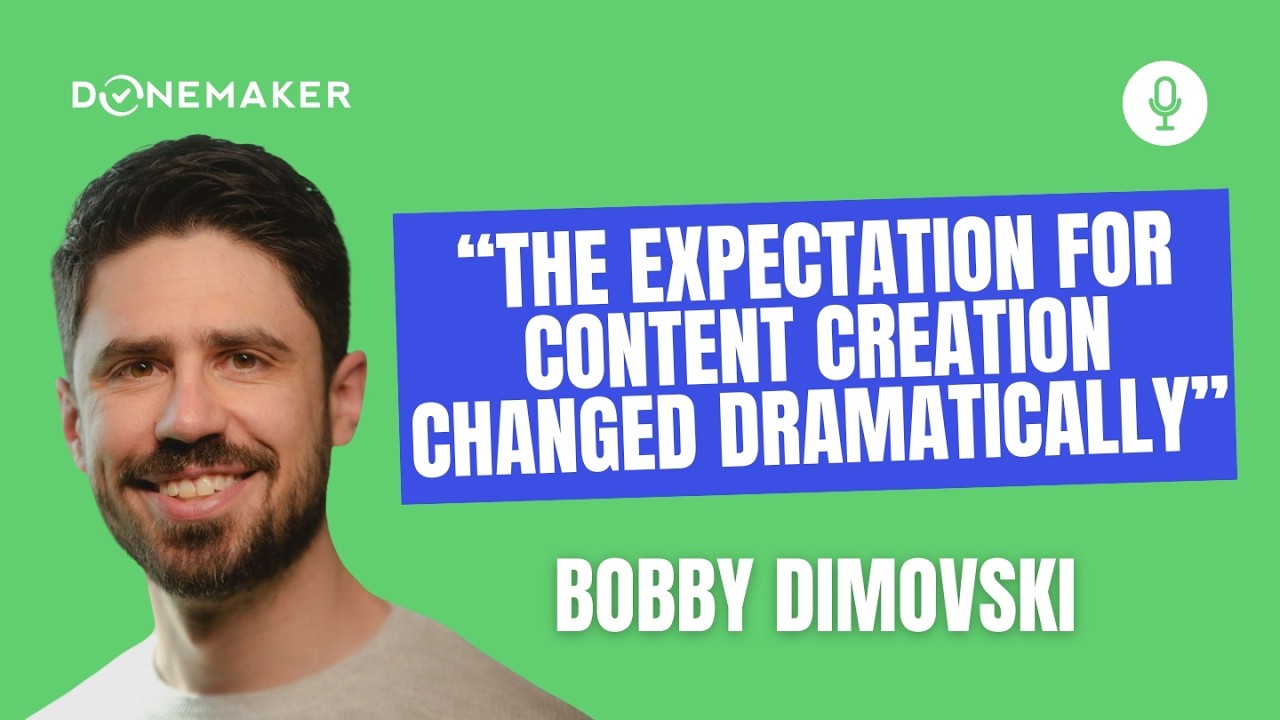
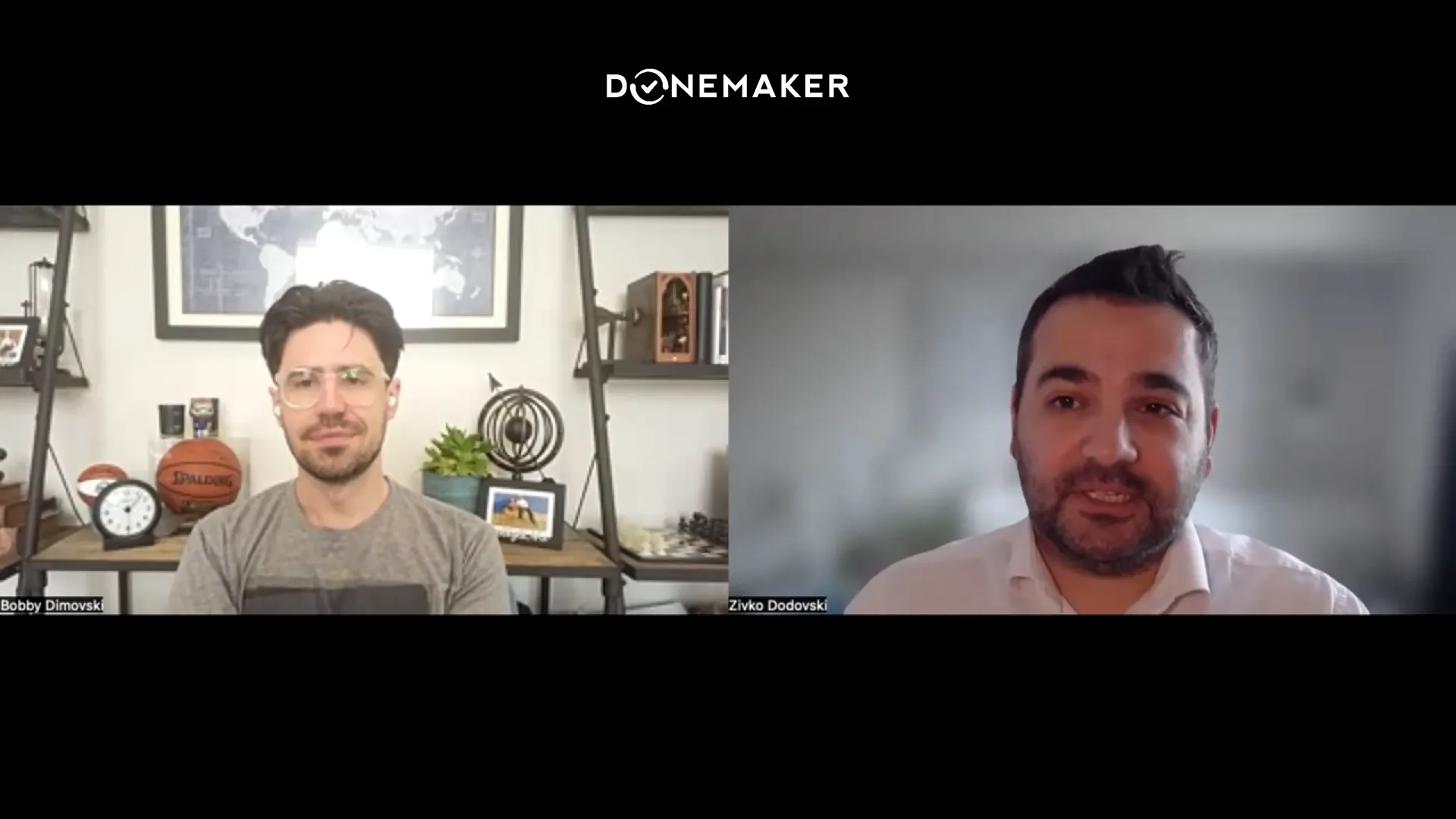
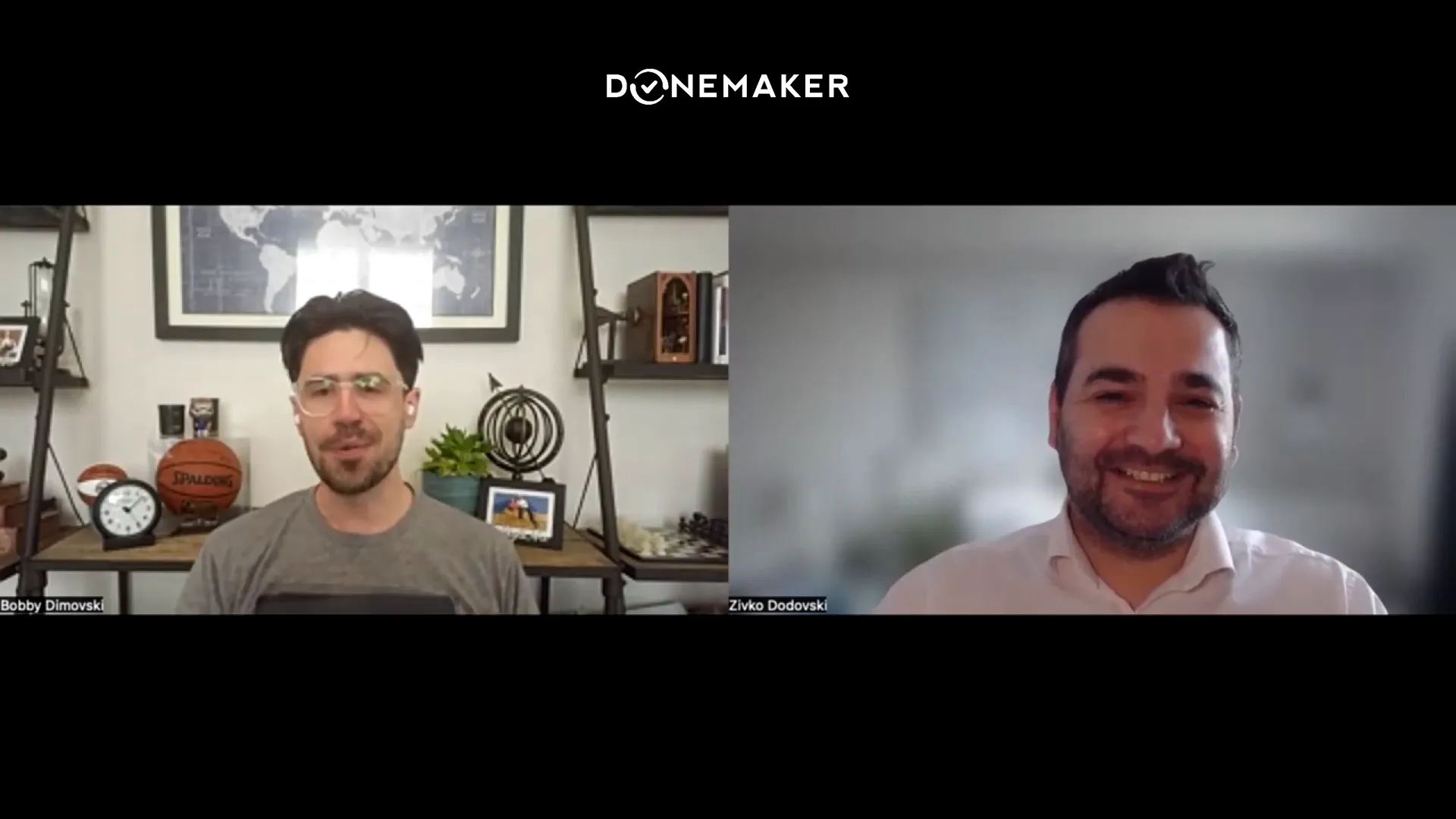
You watched a conversation with Bobby Dimovski on the DoneMaker channel, and now you want to turn that energy into action. In that interview Bobby laid out how content creation has shifted, from early social networks that felt like message boards to today’s feed-driven, video-first culture—and what you should do if you run a professional practice or a small business. This article condenses those lessons into four practical steps you can use right away to make content creation predictable, useful, and aligned with real business outcomes.
Before you dive in, understand this: content creation is no longer a hobby you bolt on when you have time. It’s a persistent signal that shapes how people evaluate you online. If you do it well, it reinforces trust. If you do it poorly, it creates confusion. You’ll learn how the landscape changed, where you should focus, how to use technology like AI without losing the human touch, and how to measure what actually matters.
1. Understand the cultural shift that rewired content creation
You remember the early days: social networks started as a way to keep in touch with classmates and friends. That casual communication tool evolved into the primary place where people live, digest information, and make decisions. In a span of a couple of decades the whole system flipped. That shift directly changed the expectations you face when you publish anything.
Here are the big cultural moves you should track so your content creation decisions make sense for your audience:
- From private updates to public identity: Back then you posted to stay in touch. Now your posts contribute to a public profile people evaluate before they ever contact you.
- Video overtook static posts as the expectation: Audiences increasingly prefer video formats, and platforms prioritize watch time and engagement. That means your content creation must consider format and attention span first.
- Generational fluency matters: Young creators who grew up on short form video innovate fast. Your content creation should reflect where your target audience spends time—different generations use different networks and expect different tones.
- Trends are loud but short: Viral dances, challenges, and meme formats come and go. They generate volume, but they rarely translate to long-term trust for professional services.
Because of this cultural evolution, content creation is now a business discipline. You no longer get away with a random post every so often and expect consistent results. If you run a professional practice, the goal of content creation is to confirm trust, answer questions, and make search and discovery work for you. That leads to the next step.
2. Pick the right platforms and focus on outcomes, not vanity
Not every platform is built the same. The right place for your content creation depends on who you serve and what you want to accomplish. Too many teams chase the flashiest channel because it looks attractive. Instead, base your choice on audience, context, and capability.
Use these rules to decide where to invest your time:
- Prioritize volume where it matters: If your audience is the demographic that uses a platform daily, put effort there. For many professional practices, that still means certain social networks where older demographics are present. Volume and reach matter when you need discovery and consistent impressions.
- Use platforms for different purposes: Treat one network as discovery and visibility, another for authority and professional storytelling, and another for community engagement. For example, keep a presence where people search for services, and use a professional network to build thought leadership.
- Don’t chase aesthetic norms if they don’t fit: Some platforms expect a polished visual identity. If you can’t deliver consistent, quality imagery or short video that fits the platform’s culture, you’ll hurt trust rather than build it. In other words, it’s better to be reliably informative on the platform your audience uses than to post beautiful images on a channel with the wrong demographic.
For professional services, doctors, dentists, surgeons, accountants, content creation should do two crucial things:
- Serve as an extension of your website: Treat your social presence as a secondary landing page. Publish the core information people need to understand your services, what to expect, and how to contact you. That consistency helps your search rankings and helps potential clients confirm they’re in the right place.
- Keep it realistic and authentic: You don’t have to become an influencer. If you want to build authority, commit to it internally with time and energy. If you don’t, stick to the basics: consistent service descriptions, patient education, team introductions, and testimonials.
Doing these things will change how your content creation translates into real business outcomes. Instead of counting likes, you’ll be confident the content moves search results, clarifies expectations, and reduces friction in the client journey.
3. Use AI and automation as helpers, not replacements
AI has transformed what’s possible in content creation almost overnight. But the important rule is simple: use AI as a starting point, not the final product. If you treat automation as the whole process, you risk publishing content that is inaccurate, tone-deaf, or detached from what your audience expects.
Here’s a practical, human-first approach to applying AI in your content creation:
- Start with your ideas: Put your thoughts, talking points, and your unique perspective into a plain document. Feed that raw input into an AI tool so it can generate a draft. That gives the AI a starting point that reflects your voice and goals.
- Edit for human clarity: The AI will typically get you most of the way. Then you refine. Edit tone, verify facts, and localize the language for your audience. Human review is mandatory.
- Use AI for repetitive tasks: Automation excels at time consuming chores, extracting text from PDFs, converting content formats, creating caption drafts, or generating outlines. Use AI to remove friction from these workflows.
- Train the tool to your voice: Over time, the prompts you provide and the edits you make train the AI to better match your expectations. Think of it like onboarding a new team member; you wouldn’t let them post unsupervised day one.
A clear misconception is that platforms penalize AI content. They understand that automated tools are part of modern content creation, and as long as you don’t spam or attempt to game the system, you’re fine. The real penalty is for content that lacks human context, bulk posting irrelevant material, or low quality posts created to inflate metrics. Keep the human in the loop and AI becomes an amplifier of your work, not a substitute for it.
When you automate, do so intentionally:
- Automate what saves time and doesn’t risk your brand voice.
- Keep manual review for anything that impacts trust (client testimonials, clinical content, pricing information).
- Use AI to increase quality, longer dwell time and watch time are now rewarded, so produce content that engages, not just content that exists.
4. Build a strategy that focuses on consistency, clarity, and measurable impact
Content creation without a plan is noise. Your strategy should be concise and accountable. It should describe who you want to reach, which platforms you will use, what success looks like, and how you’ll measure progress. If you skip this, you end up guessing and chasing the loudest trend.
Use this simple strategic framework to keep your content creation aligned with outcomes:
- Define the audience and their intent: Are they searching for a specific treatment? Do they want educational resources? Tailor content to answer the questions they use when they search.
- Set realistic goals: Replace vanity metrics with things that matter: search visibility, appointment requests, referral volume, or higher conversion on landing pages. Likes and follower counts are nice, but they are not the primary KPI for a practice-level strategy.
- Create a content ecosystem: Repurpose core website content into social formats. Turn service pages into short educational posts, create short video explainers from FAQs, and use testimonials as proof points. This reduces the creative burden and increases consistency.
- Measure and iterate: Track what drives real results. Look at organic search rankings, inbound contacts tied to social profiles, and client feedback. When something moves a core metric, do more of it.
Here are practical examples you can implement in your first month:
- Audit your website and extract the most frequently asked questions. Turn each FAQ into a short post or a short video script.
- Create a content calendar that maps one topic per week across the channels you selected. Reuse the same core message in different formats where it fits.
- Design templates for visuals so you can create assets quickly without hiring expensive shoots for every post.
- Measure traffic to landing pages from social profiles, track appointment requests, and keep a log of any direct messages that lead to bookings.
Remember: if you can’t maintain seventy five percent quality on a content format, don’t use it. Low quality video or poor imagery can damage trust for professional services more than having no social presence at all.
How to repurpose website content into effective social posts
One of the smartest moves you can make is to treat social channels as additional landing pages. Instead of inventing new content constantly, repurpose high value website content into formats that match the platforms your audience uses.
- Start with service pages: convert the top three sections into carousel posts or short videos that explain the problem, the solution, and what to expect.
- Use testimonials and case studies as social proof: short quotes or brief before/after narratives work well on most networks.
- Transform long form blogs into a series of micro posts or a short educational video series that spans a few weeks.
This repurposing strategy makes content creation efficient and aligns every post with search and conversion goals. That’s how content creation drives actual business outcomes rather than chasing transient engagement.
Now it’s your turn. Pick one platform, repurpose top website content into three posts, and try one AI-assisted draft process with manual editing. That small, practical experiment will show you how content creation can become both manageable and directly tied to growth.
If you’d like a quick checklist to get started, here it is in a single pass:
- Audit your site for three core pages to repurpose.
- Choose one platform that matches your audience.
- Create a two-week content plan using those pages as the source.
- Draft with AI, then edit for tone and accuracy.
- Publish on a consistent schedule and track inbound contacts tied to those posts.
Content creation changed dramatically, but your response can be simple: focus on clarity, pick the right platform, use AI as a tool not a crutch, and measure what matters. Do that and you’ll make content creation work for your practice instead of it working against you.
Watch the full podcast here: Content creation changed dramatically – Bobby Dimovski – The DoneMaker Podcast