

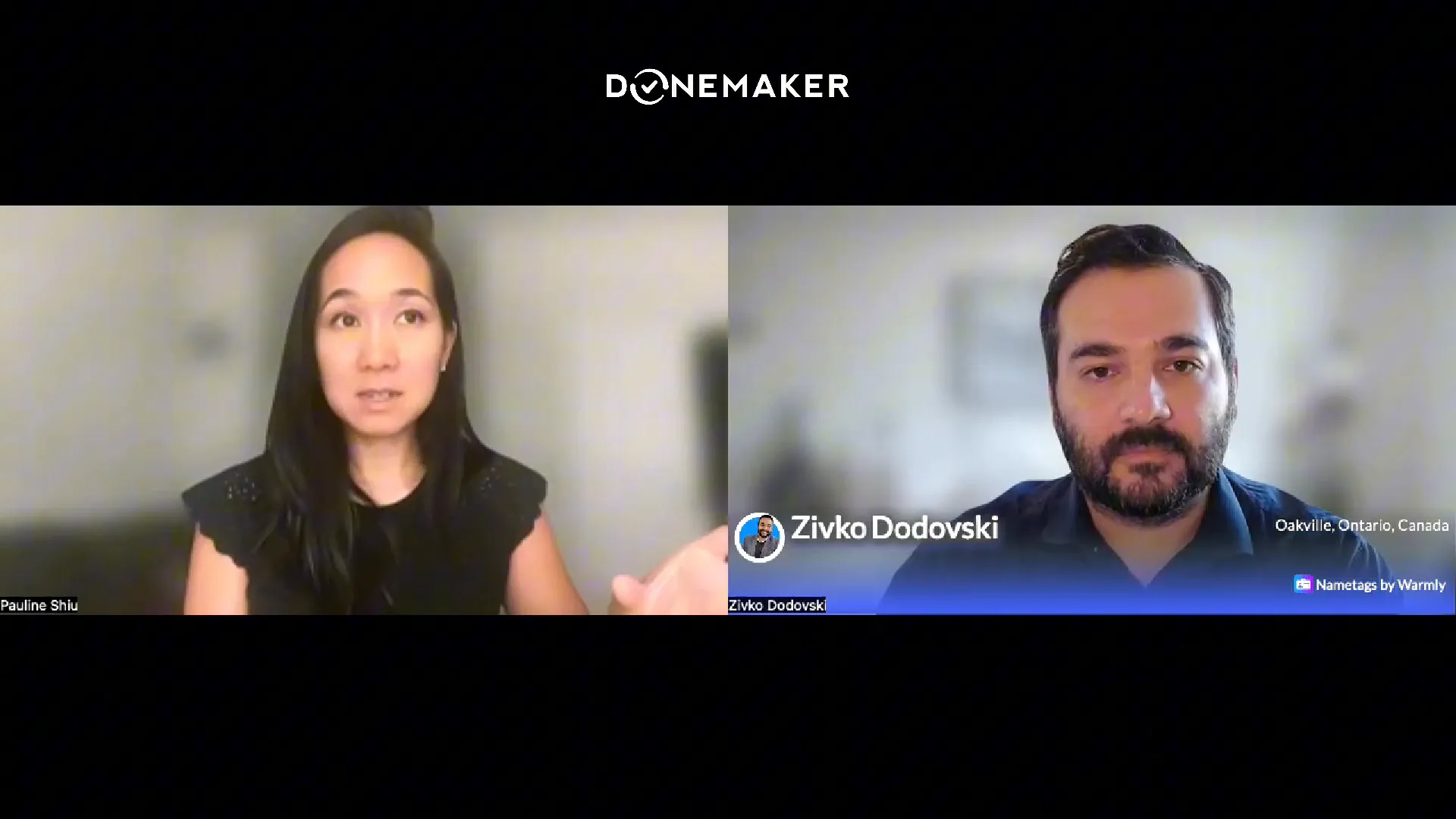
When you’re building a startup, especially in the fast-paced world of ecommerce and SaaS, it can be tempting to focus solely on rapid growth tactics like paid ads and chasing vanity metrics. But what if the key to sustainable success lies in adopting proven marketing strategies from established giants like Edelman PR, Macy’s, and WeddingWire? Drawing from the seasoned insights of Pauline Hsu, Vice President of Marketing at Finale Inventory, this article breaks down seven crucial marketing strategies that startups should implement to grow smarter, build stronger brands, and scale sustainably.
Pauline brings over 20 years of experience working with massive brands and startups alike, blending corporate rigor with startup agility. Her unique perspective highlights how startups can integrate structure, culture, and innovation into their marketing playbook.
1. Embrace Personal Inventory: Reflect, Evaluate, and Adapt
“If you don’t take a personal inventory now and then, there will be a mistake over and over until you take a look.” This powerful quote, shared by Pauline, sets the tone for how startups should approach growth and marketing. Constant self-reflection and evaluation are not just personal growth mantras, they’re essential business practices.
Many startups fall into the trap of repeating the same tactics even when results plateau or decline. This is especially dangerous in ecommerce, where market trends, customer preferences, and technologies evolve rapidly. Pauline reminds us that sticking rigidly to past strategies without questioning their effectiveness is like “doing the same thing over and over again and expecting a different result.”
To avoid this, build regular checkpoints into your marketing and operational processes:
- Review what’s working and what’s not, sales, customer engagement, cost efficiency.
- Ask critical questions: Are we meeting our goals? Is this scalable? Does this align with our vision?
- Be willing to pivot or double down based on data, not ego or sunk costs.
This mindset fosters agility and continuous improvement, two traits that separate successful startups from those that stall.
2. Blend Corporate Structure with Startup Agility
Pauline’s career journey from corporate giants like Edelman PR and Macy’s to nimble startups in Maryland offers invaluable lessons on balancing structure with creativity.
Corporate environments excel at creating Standard Operating Procedures (SOPs), documentation, and clear reporting metrics. These systems ensure consistency, knowledge sharing, and scalability. However, large organizations can sometimes be rigid and slow to innovate.
On the other hand, startups thrive on flexibility, rapid ideation, and bold experimentation, but as teams grow, the absence of structure can lead to chaos. Pauline highlights a critical growth inflection point: once your team reaches 12 to 15 people, you must implement SOPs and documentation to avoid knowledge silos and operational bottlenecks.
For startups, this means:
- Documenting processes to ensure repeatability and training ease.
- Establishing clear metrics and reporting routines to track performance.
- Encouraging creative problem-solving while maintaining discipline around execution.
By combining the best of both worlds, startups can scale efficiently without losing their innovative edge.
3. Invest in Team Culture and Management Training
As your startup grows beyond the founder’s circle, building a strong culture becomes paramount. Pauline stresses that even the most talented individual contributors may not automatically become effective managers. Without intentional investment in team management training, you risk internal fractures and low morale.
Culture is more than just perks or buzzwords, it’s about how your team collaborates, communicates, and supports one another. Pauline shares that in her experience, culture often falls under the umbrella of “branding” but can be invisible until it suddenly impacts productivity and engagement.
To build a thriving culture, startups should:
- Invest early in leadership development and management skills.
- Align teams around shared values, mission, and brand promise.
- Encourage open communication and psychological safety.
- Recognize and address cultural gaps before they become problems.
Strong culture drives retention, improves collaboration across departments, and ultimately boosts customer experience—key ingredients for long-term success.
4. Build Authentic Relationships and Network Strategically
Pauline’s tenure at Edelman PR taught her the power of personalized client relationships. She recalls how her team would know intricate client details, from their preferences to even their dog’s birthday, to foster trust and loyalty. This approach helped renew contracts regardless of pricing.
For startups, relationship-building remains just as critical, though the channels may differ. Pauline emphasizes the importance of being “in the room where it happens,” meaning you need to actively participate in conversations within your industry and customer communities.
How to build meaningful networks today:
- Attend industry conferences and meetups to engage face-to-face.
- Leverage digital platforms like LinkedIn, Facebook groups, Reddit, Discord, and WhatsApp for ongoing conversations.
- Dedicate regular time for your team to network externally and internally.
- Listen actively to your audience and partners to understand their needs and pain points.
- Use personalized outreach rather than generic PR blasts to build credibility.
Networking is a two-way street, give value, share insights, and build genuine connections that amplify your brand and product launch success.
5. Prioritize Profitability Over Vanity Metrics
Many startups obsess over sales volume, but Pauline warns that without careful attention to profit margins, this focus can be dangerous. High sales with razor-thin or negative margins can quickly lead to cash flow crises and business failure.
Understanding the true cost of goods sold (COGS) and all associated expenses is crucial. Pauline breaks down the components affecting margins:
- Product purchase price from suppliers.
- Freight, taxes, shipment, and port fees.
- Warehousing costs including leases and staffing.
- Labor costs including benefits and overhead.
- Marketing expenses such as ad spend, designers, and promotional discounts.
- Packaging materials and product development.
Startups need to look beyond surface-level sales data (like Shopify dashboards) and integrate accounting, inventory, and marketing costs to get a full picture of profitability.
Pauline shares an example where a high-volume sales deal with a retailer resulted in losses due to steep promotional discounts, something that could have been avoided with better margin tracking.
By mastering margin analysis, you can make smarter decisions about pricing, marketing spend, and growth strategies that ensure sustainability.

6. Develop a Strong, Consistent Brand That Resonates
Pauline highlights the critical importance of brand beyond just logos and taglines. Your brand is the total creative package—how you speak to your audience, how your team embodies your mission, and how your product experience aligns with your values.
She explains that a compelling brand creates emotional connections, turning customers into advocates and driving repeat purchases or contract renewals.
Key elements to focus on for building a strong brand:
- Consistency in messaging across marketing, sales, and support teams.
- Packaging and product presentation that reflect your brand values (e.g., eco-conscious packaging for green brands).
- Authentic storytelling that speaks to your audience’s lifestyle and aspirations.
- Community-building through sponsorships, volunteering, or aligned partnerships.
Pauline contrasts successful brand plays like Macy’s community involvement and Subaru’s environmental donations with less convincing examples, such as Apple’s controversial charger policy, to illustrate how misaligned messaging can undermine trust.
Investing in brand pays dividends by outlasting volatile ad spends and fostering loyalty that sustains growth.
7. Leverage AI Thoughtfully to Enhance Marketing and Operations
Artificial Intelligence (AI) is rapidly reshaping how startups approach marketing and operations. Pauline encourages a “crawl, walk, run” approach to AI adoption:
- Crawl: Use AI tools like ChatGPT as thought starters to generate ideas, draft content templates, or brainstorm messaging.
- Walk: Incorporate AI for content planning, data analysis, and summarizing reports, helping teams optimize workflows.
- Run: Integrate AI directly into systems to automate decision-making, detect trends, and eliminate manual guesswork.
She cautions marketers to avoid over-reliance on AI-generated content, as search engines increasingly prioritize unique, high-quality, human-driven content.
Pauline also highlights the emerging importance of “prompt engineering”—the skill of crafting effective AI queries—as a valuable competency for marketing teams.
By embracing AI as a collaborative tool rather than a replacement, startups can accelerate creativity, improve efficiency, and stay competitive in a rapidly evolving landscape.
Final Recommendations
Marketing strategies are the backbone of any startup’s growth journey. By learning from the successes of established companies like Edelman PR, Macy’s, and WeddingWire, you can avoid common pitfalls and build a resilient, scalable marketing engine.
Remember to take regular personal and business inventories, reflect on what’s working, what’s not, and be ready to adapt. Blend the structure and discipline of corporate SOPs with the agility and creativity of startups. Invest deeply in your team’s culture, build authentic networks, and focus on profitability over vanity metrics.
Above all, nurture a brand that resonates emotionally and consistently with your audience, and embrace emerging technologies like AI thoughtfully to enhance your marketing and operations.
These seven strategies will not only help you grow but position your startup to thrive in an ever-changing marketplace.
For those eager to dive deeper into these insights and learn from a marketing leader with decades of experience, Pauline Hsu and the team at Finale Inventory offer invaluable guidance for ecommerce and SaaS brands ready to scale efficiently.

Watch the full podcast here: Edelman PR, WeddingWire & Macy’s marketing strategies startups should implement | DoneMaker Podcast