Organic LinkedIn outreach is not about blasting messages and hoping for a reply. It is a strategic funnel: precise targeting, thoughtful messaging, consistent follow-up, and human-centered research. When done properly, organic outreach becomes a repeatable engine that fills calendars, strengthens relationships, and closes clients without spending on ads.
Table of Contents
- Why LinkedIn Organic Outreach Still Wins
- The Core Advantage: Human-Powered Targeting
- Three Pillars of a Replicable LinkedIn Outreach System
- A Practical, Step-by-Step LinkedIn Outreach Playbook
- Build Social Advocacy Programs to Amplify Reach
- How Messaging and Positioning Accelerated Results
- Operational Hygiene: Organization That Keeps the Engine Running
- Converting Calls into Business: Simple Qualification and Close Steps
- Measure What Matters and Iterate
- Common Pitfalls and How to Fix Them
- Real Impact: What Happens When All Pieces Come Together
- Checklist: Launch a High-Converting LinkedIn Outreach Campaign
- Final Thoughts
- How long does it typically take to see results from an outreach program?
- Should I use automation tools for outreach?
- What is the right number of touches in a sequence?
- How much should I personalize each message?
- Can employees and executives really boost outreach results?
- What metrics should I prioritize?
Why LinkedIn Organic Outreach Still Wins
LinkedIn is a professional network where attention equals opportunity. Unlike other channels crowded with noise, LinkedIn provides context — job titles, company sizes, industries, professional achievements — that makes outreach smarter and more relevant.
Organic outreach on LinkedIn converts better than generic outbound because it starts with relevance. When a message feels targeted and timely, recipients are more likely to open, engage, and ultimately take a call. That’s why the foundation of a winning LinkedIn strategy is getting the audience right.
This approach is especially powerful for consultants, agency owners, and service professionals who sell expertise. A well-executed organic strategy demonstrates credibility and builds trust before a single meeting occurs.
The Core Advantage: Human-Powered Targeting
Technology is fantastic for scale. But the final mile — identifying the precise subset of people who actually need what you offer — often requires human judgment. Tools can scrape profiles and surface job titles, but they cannot always interpret nuanced signals like a shift in company strategy, a recent funding round, or a subtle alignment between an executive’s public posts and your services.
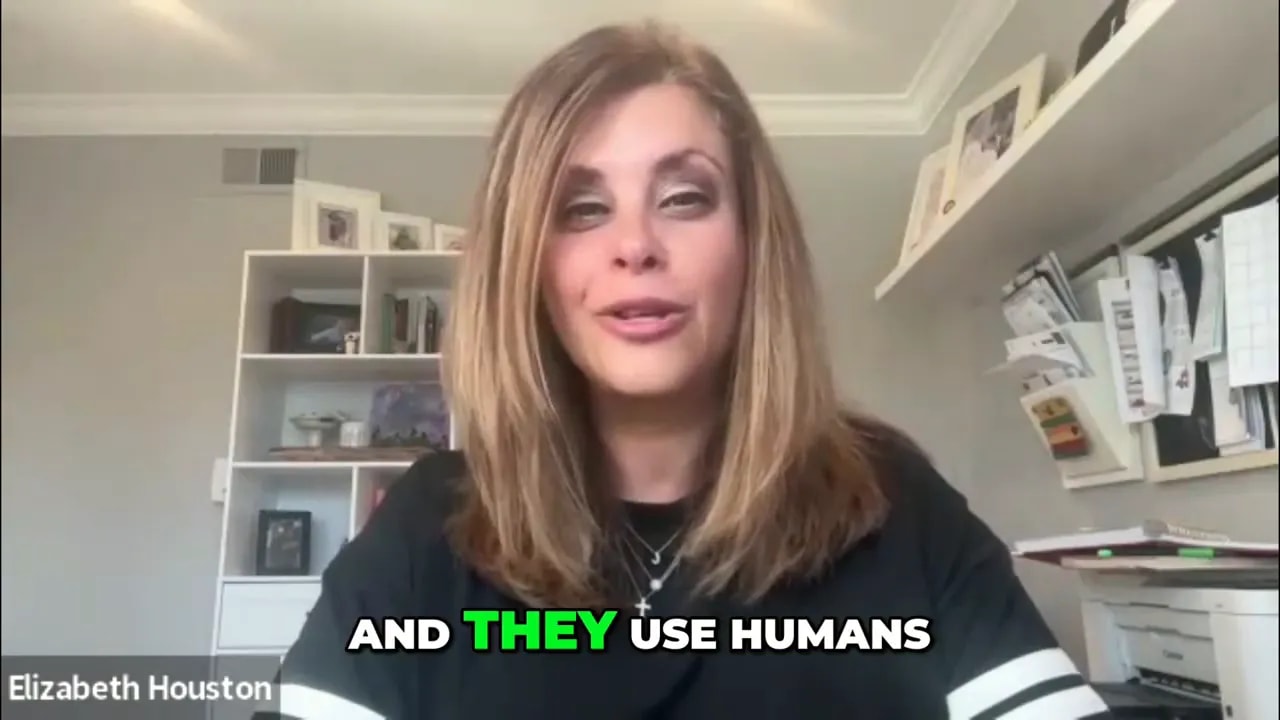
“They genuinely care and they use humans not AI in order to really find the best target audiences.”
That human touch delivers two big wins:
- Better match rates — Human researchers spot patterns and context that algorithms miss, reducing wasted outreach and increasing the quality of conversations.
- Smarter messaging — When targeting is accurate, messages can be specific and relevant, which increases reply rates and shortens sales cycles.
Three Pillars of a Replicable LinkedIn Outreach System
Every consistent outreach engine rests on three pillars: Target, Message, Process. Nail these and you create predictability; ignore them and you create busywork.
1. Target: Define the right audience
A clear audience definition means more than a list of job titles. It includes company size, geography, recent events (funding, hiring, product launches), and behavioral signals (posting frequency, shared content types).
- Start narrow: Choose a single vertical or problem area where you can deliver demonstrable value.
- Layer filters: Combine title + company stage + tech stack or public signals to reduce noise.
- Score prospects: Give each prospect a score based on fit, intent signals, and potential deal value.
2. Message: Make outreach feel human
The best messages are short, relevant, and useful. They do three things: demonstrate you did research, tie to a problem or goal they likely care about, and invite a low-friction next step.
- Open with relevance: Mention a recent post, a company event, or a mutual connection so your message lands contextually.
- Lead with value: Offer a micro-insight, a counterintuitive stat, or a quick idea they can use — not just “are you available for a call?”
- Keep the ask small: Suggest a 15-minute chat, a quick resource, or permission to send a one-pager instead of an immediate sales pitch.
3. Process: Systemize follow-up and qualification
Outreach is a numbers game played with finesse. That means consistent cadence, thoughtful sequencing, and a reliable qualification process once prospects reply.
- Sequence messages: Build a 4–6 touch sequence mixing connection requests, value-driven messages, social engagement, and calendar asks.
- Use micro-commitments: Convert responses into calendar invites or resource requests to solidify intent.
- Qualify quickly: Use conversational qualification to determine fit and urgency so you don’t waste time on low-value leads.
A Practical, Step-by-Step LinkedIn Outreach Playbook
Here is a reproducible playbook you can implement today. This is distilled from high-performing organic outreach programs and emphasizes human research at each step.
-
Research and list building (Day 0–3)
Build a target list of 200–400 people who meet your layered criteria. Use LinkedIn search, company pages, recent news, and public signals like conferences and product launches. Spend time reading a sample of profiles to surface common themes you can reference in outreach.
-
Personal connection message (Day 1)
Send a connection request with a one-liner referencing a recent public activity or a mutual connection. Keep it under 200 characters and avoid a pitch. Example: “Noticed your post on X — would love to connect and share a quick idea I’ve been testing with similar teams.”
-
First value message (Day 3–5 after connection)
Once connected, send a short, specific insight that shows you understand their context. Attach a single actionable tip or a one-page example of work. Make no sales ask in this first value message.
-
Engagement and social touchpoints (Ongoing)
Like and comment on their posts thoughtfully. This increases visibility while keeping outreach warm.
-
Small ask for a micro-call (Day 7–14)
Follow up with a clear, low-friction ask: a 15-minute call, feedback on an idea, or permission to send a short resource. Phrase it as an exchange of value.
-
Qualification and proposal (Post-call)
After a call, quickly summarize the prospect’s needs and proposed next steps. Send a concise proposal or a test engagement to reduce commitment friction.
Consistency and human judgment at each step generate better calls and higher conversion rates. Keep the playbook flexible and tweak it based on what your replies and conversion metrics tell you.
Build Social Advocacy Programs to Amplify Reach
A multiplier that most consultants and marketing teams underuse is social advocacy. When employees and executives share content thoughtfully, it expands reach to relevant networks and gives social proof to outreach.
Designing an advocacy program does not require heavy tech or elaborate processes. Focus on clarity, simplicity, and value.
- Start with a content bank: Create 8–12 ready-to-share posts, one-pagers, and short insights that align with the company’s positioning.
- Train people on tone: Provide guidelines and sample comments to help team members add genuine, contextual engagement rather than robotic shares.
- Make sharing low-friction: Use a weekly email or a simple platform to distribute content they can use without rewriting.
- Recognize and reward: Celebrate employees who consistently contribute to social reach with shout-outs, incentives, or internal recognition.
When executives and employees amplify the same signals you’re using in outreach — such as thought leadership posts or case studies — prospects perceive a stronger, more trustworthy brand. That makes direct messages feel less like cold outreach and more like a conversation with a reputable partner.
How Messaging and Positioning Accelerated Results
Accurate targeting must be matched with crisp messaging. When messages are off-target or generic, even perfectly built lists will underperform. The winning teams do two things exceptionally well.
- Iterate on opening lines: Small changes to the first sentence can double reply rates. Test references to recent company events versus mutual connections versus industry insights.
- Use micro-content as proof: Instead of a long deck, send a one-page case study or a short GIF walkthrough that demonstrates your approach and results.
A single well-crafted one-pager or tangible micro-insight often converts better than a long-winded pitch because it creates clarity and allows prospects to see themselves in the outcome.
Operational Hygiene: Organization That Keeps the Engine Running
Outreach programs produce leads — and leads need attention. Organization is not glamorous, but it is the difference between sporadic wins and sustained growth.
Adopt simple systems:
- CRM discipline: Log every interaction and assign next actions. If a lead hasn’t been touched in 10 days, create an automatic check-in task.
- Templates with personalization slots: Maintain message templates but always add 2–3 lines of custom context for every outreach.
- Weekly review: Each week, review open conversations, outstanding proposals, and backlog of follow-ups.
- Time blocks for outreach: Dedicate focused blocks for research, messaging, and follow-ups so outreach does not get deprioritized amid client work.
This operational backbone makes outreach sustainable even when the day job gets busy.
Converting Calls into Business: Simple Qualification and Close Steps
Generating calls is great. Converting them is the critical next step. Keep the sales motion short, empathetic, and value-driven.
- Pre-call prep: Send a 1-page agenda and confirm the prospect’s goals for the call. That sets expectations and helps you tailor the conversation.
- Use discovery frameworks: Ask about goals, constraints, past attempts, and decision timelines to rapidly assess fit and urgency.
- Offer a test engagement: For consulting offers, a time-boxed pilot can remove friction and demonstrate immediate value.
- Follow-up fast: Send a concise recap with specific next steps and a calendar link within 24 hours of the call.
Speed and clarity convert more deals. Prospects appreciate a direct path forward and an understanding of how your work will be measured.
Measure What Matters and Iterate
Numbers tell the story. Track these core metrics to understand whether your outreach is working and where to invest your time:
- Connection acceptance rate — indicates targeting and opening message effectiveness.
- Reply rate — measures message relevance and value proposition clarity.
- Call booked rate — bridges interest to active engagement.
- Call-to-win conversion — shows sales effectiveness and product-market fit.
- Average deal size and time to close — help forecast revenue and fine-tune targeting.
Regularly review these KPIs and run small experiments. For example:
- Swap the opening line in a segment and measure reply lift.
- Test sending a one-pager versus a short video and measure booked-call differences.
- Try alternative scoring weights to prioritize higher-intent prospects.
Iterate quickly. The combination of human research and fast experimentation is the most effective way to improve outcomes.
Common Pitfalls and How to Fix Them
Many outreach programs stall due to avoidable problems. Here are the frequent pitfalls and direct fixes.
-
Pitfall: Overly broad targeting.
Fix: Narrow and layer filters. Prioritize 2–3 verticals where you can build repeatable case studies and messaging.
-
Pitfall: Generic messages.
Fix: Add two personalization elements and lead with a micro-insight or resource. Avoid immediate asks—build value first.
-
Pitfall: Inconsistent follow-up.
Fix: Create a 4–6 touch cadence and automate reminders in your CRM. Use a mix of formats: messages, social engagement, and shared content.
-
Pitfall: Ignoring operational processes.
Fix: Block time for outreach and reviews. Keep templates ready but personalize everything. Log outcomes and next steps.
Real Impact: What Happens When All Pieces Come Together
When targeting is tight, messaging is relevant, follow-up is consistent, and operations are disciplined, the results compound. A small, well-executed campaign can generate dozens of qualified calls, a steady stream of clients, and word-of-mouth referrals that extend your reach.
That compound effect is why many consultants and B2B professionals treat LinkedIn as the highest-value channel for new client acquisition. The combination of definable metrics and human-led research makes performance predictable and scalable.
Checklist: Launch a High-Converting LinkedIn Outreach Campaign
- Define a narrow target with layered criteria.
- Create a list of 200–400 prospects with manual vetting.
- Draft a 4–6 touch message sequence with personalization slots.
- Provide value early via one-pagers or micro-insights.
- Engage on their posts to warm conversations.
- Use a consistent qualification framework during calls.
- Log everything in a CRM and set next actions.
- Measure and iterate weekly on core metrics.
Final Thoughts
Organic LinkedIn outreach is a long-term asset. It rewards thoughtful strategy, human judgment, and operational discipline. When you invest in precise targeting and value-first messaging, outreach stops being a numbers grind and becomes a powerful, reputation-building channel.
People prefer to work with partners who demonstrate care, craft, and credibility before a contract is signed. Build your outreach with that mindset and the conversations you generate will lead to real, sustainable growth.
How long does it typically take to see results from an outreach program?
You should expect initial meaningful conversations within 4–8 weeks if targeting and messaging are correct. Converting those conversations into clients often takes another 4–12 weeks depending on deal complexity and decision timelines.
Should I use automation tools for outreach?
Automation can help with volume and reminders, but do not automate personalization. Use tools for list building, scheduling, and CRM workflows, while keeping research and message customization human-led for the best results.
What is the right number of touches in a sequence?
A 4–6 touch sequence is a strong starting point. Mix connection messages, value-first follow-ups, social touches, and a clear calendar ask. Adjust based on reply and conversion metrics.
How much should I personalize each message?
Aim for at least two personalized elements per message: a reference to a recent activity or event and a tailored insight or resource. These small signals significantly increase reply rates.
Can employees and executives really boost outreach results?
Yes. Employee and executive amplification multiplies trust and reach. A cohesive advocacy program with simple share-ready content can dramatically increase warm responses and inbound credibility.
What metrics should I prioritize?
Focus on connection acceptance rate, reply rate, call booked rate, call-to-win conversion, and average deal size. These metrics reveal both outreach health and business impact.
Execute consistently, treat targeting as a thoughtful craft, and invest in small, rapid experiments. The combination of human research and systematic testing turns LinkedIn outreach from a hope-based tactic into a reliable growth engine.
No links were provided. I reviewed the article and there were no URLs in the provided list to insert. Below are suggested anchor texts (1–3 words) and exact places in the article where links would be relevant. When you supply URLs, I can insert them directly into these spots.
Suggested anchor texts & placements
- one-pager — place in the paragraph: “Provide value early via one-pagers or micro-insights.” (near “one-pagers”).
- micro-insights — place in the paragraph: “Provide value early via one-pagers or micro-insights.” (near “micro-insights”).
- CRM — place in the paragraph under “Operational Hygiene” where it says “CRM discipline: Log every interaction…” (near “CRM”).
- advocacy program — place in the paragraph: “Designing an advocacy program does not require heavy tech…” (near “advocacy program”).
- connection request — place in the step 2 paragraph: “Send a connection request with a one-liner…” (near “connection request”).
- case study — place in the paragraph: “A single well-crafted one-pager or tangible micro-insight…” (near “case study”).
- pilot — place in the paragraph under “Converting Calls into Business” where it recommends “a time-boxed pilot” (near “pilot”).
- sequence — place in the paragraph: “A 4–6 touch sequence is a strong starting point.” (near “sequence”).
Next steps: provide the corresponding URLs for any of the anchor texts above, and I will return a JSON object with exact insertions mapping each anchor text to its URL (only 1–3 word anchors, placed within the specified paragraphs).