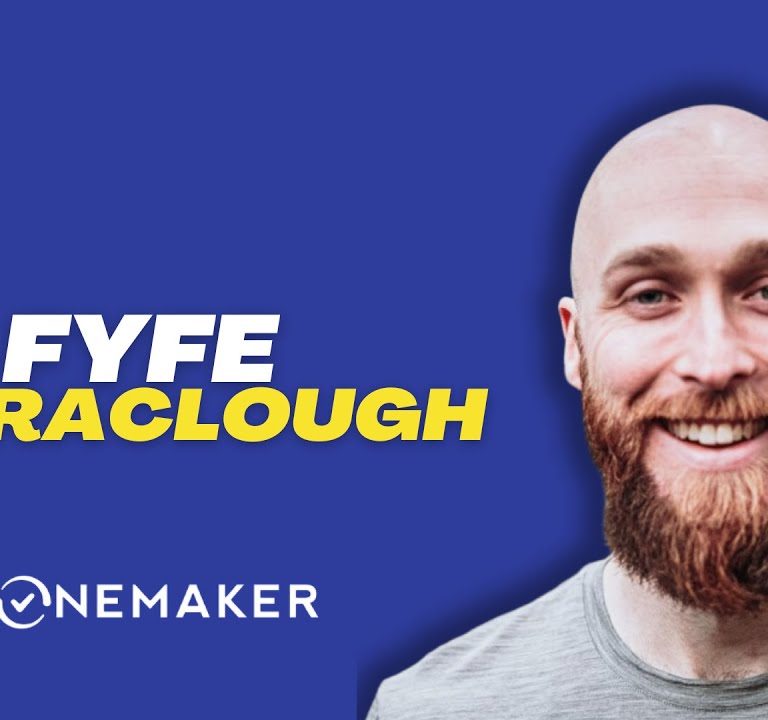
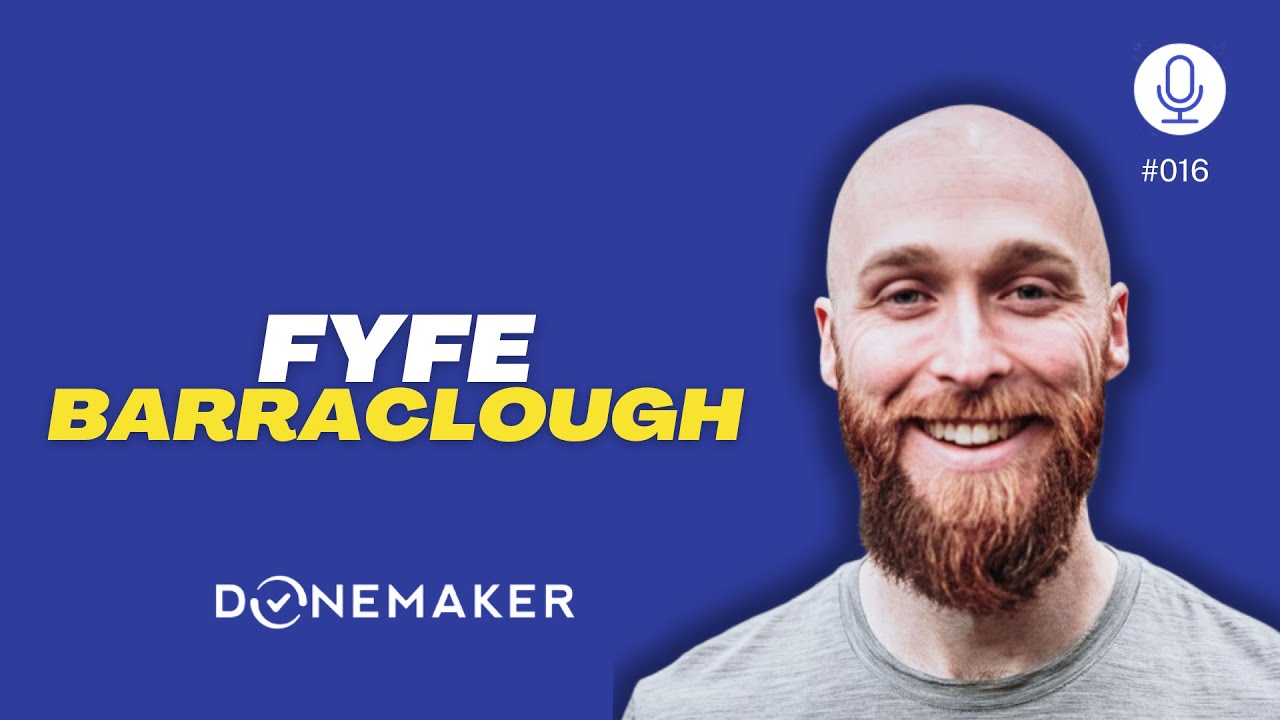
Being a dad entrepreneur is a unique journey. You’re not just building a business; you’re also building a family, often simultaneously navigating the chaos, sleepless nights, high expectations, and the relentless pressure to succeed. Fyfe Barraclough, a boutique performance coach working with small business owners, most of whom are dads running businesses with revenues over $2 million, shares invaluable insights into this complex balancing act. He dives deep into the emotional and practical challenges dad entrepreneurs face, including the infamous “double-edged guilt sword,” the struggle to be present, and the importance of mental fitness.
This article distills Fyfe’s wisdom into seven actionable insights that will help you thrive both as a business owner and as a dad. Whether you’re feeling overwhelmed, hiding behind your business, or searching for balance, these lessons will guide you toward a more intentional, fulfilling path.
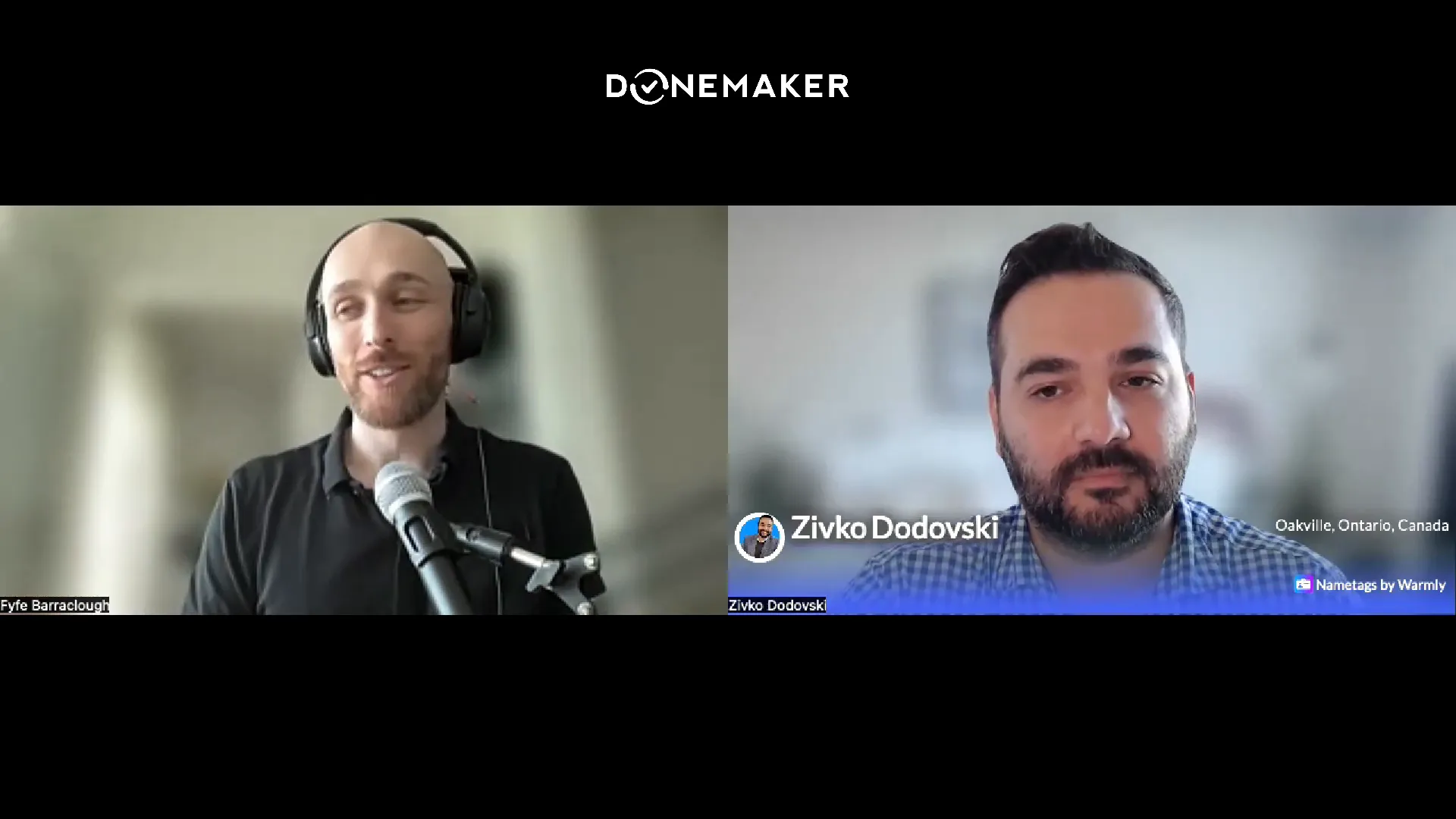
1. Understand Your Unique Entrepreneurial DNA
Before you dive into business tactics and growth strategies, it’s vital to understand the personal journey that shapes your entrepreneurial mindset. Fyfe shares a fascinating exercise he went through, breaking his life into chapters and identifying recurring themes that influenced his character and approach to business.
For instance, growing up without a TV pushed Fyfe and his brothers into a more creative, active life. His early challenges with severe asthma taught him patience and resilience. And a striking memory of flying an old biplane with his dad at the age of four symbolizes the trust people have placed in him throughout his life. These experiences formed the foundation on which Fyfe built his coaching practice.
As a dad entrepreneur, your background, challenges, and upbringing uniquely influence how you lead your business and family. Reflecting on these personal chapters can reveal strengths and limiting beliefs that impact your current journey.
2. Recognize That Performance and Business Success Are Inextricably Linked
Fyfe uses the term “performance coach” to describe his work because it captures the essence of what he helps clients achieve: better personal performance to drive better business results. He emphasizes that when you show up better, mentally, emotionally, and physically, your business naturally performs better.
Many entrepreneurs focus solely on business strategies, but Fyfe points out that a major limiting factor is often how they show up in the business. Avoiding certain tasks, feeling frustrated, or being disengaged can create bottlenecks that stunt growth.
For example, many dad entrepreneurs struggle with delegation and team management. They might be excellent problem solvers and prefer doing things themselves rather than coaching their team, which leads to burnout and limits scalability.
Improving your mental fitness and leadership skills unlocks these “first dominoes” that cascade into improved business performance.
3. Build Mental Fitness to Identify and Overcome Self-Sabotage
One of Fyfe’s core tools is a seven-week mental fitness training program designed to help clients recognize how they self-sabotage. Everyone has archetypes of self-sabotage, whether it’s being a perfectionist, a people-pleaser, or a control freak.
By increasing self-awareness in real-time, you learn to identify when anxiety or fear is driving your behavior, such as jumping into a situation to control the outcome. Mental fitness strengthens your ability to pause, reflect, and choose a different response, much like building a muscle at the gym.
Fyfe also encourages micro-experiments to challenge limiting beliefs. For instance, testing what happens if you don’t work on a Friday or delegate a task differently. These small tests help rewire your thinking and build confidence in new behaviors.
4. Accept the Challenge of Letting Go of Control
Control is a huge theme for dad entrepreneurs. Fyfe explains that many jump into situations because they see a potential failure and want to fix it immediately. While the impulse to control can prevent short-term disasters, it often leads to a lifetime of firefighting and exhaustion.
Instead of labeling this behavior as “bad,” Fyfe invites you to explore the cost of controlling everything. What would it look like to delegate, coach, and let your team make mistakes? It’s uncomfortable at first, watching things “go wrong” feels painful, but it’s essential for long-term growth and freedom.
By experimenting with situational leadership and coaching your team, you’re not just building a business; you’re building an organization that can thrive without you micromanaging every detail.
5. Face the Double-Edged Guilt Sword Head-On
Perhaps the most poignant insight Fyfe shares is the “double-edged guilt sword” that dad entrepreneurs carry. You feel guilty when you’re at work because you’re not with your family, and you feel guilty when you’re with your family because you’re not working.
This guilt is compounded by social narratives about what it means to be a “good provider” and the pressure to work long hours to secure your family’s future. Many dads find themselves hiding behind their business as a distraction from the chaos and unpredictability of parenting.
Fyfe highlights that this is a new challenge for many entrepreneurs—parenting is unpredictable and out of your control, unlike business where you can create structure and agency. Recognizing this tension is the first step toward consciously choosing how to navigate it.
6. Cultivate Self-Compassion to Combat Burnout and Internal Criticism
Entrepreneurs are often their own harshest critics. Fyfe notes that empathy for yourself is the skill dad entrepreneurs are weakest at, yet it’s the most important. The internal voice that beats you up for mistakes or missed commitments can be crippling, leading to burnout and reduced effectiveness.
Instead of using guilt as a motivator, Fyfe suggests removing the emotional charge from mistakes. Forgive yourself, not to let yourself off the hook, but to clear space for action. Ask, “What am I going to do next?” rather than ruminating on what went wrong.
This shift frees your mental bandwidth and allows you to approach challenges with a calm, solution-oriented mindset.
7. Design Your Own Routines and Tiny Habits for Sustainable Success
There’s no one-size-fits-all blueprint for routines, especially for dad entrepreneurs juggling family and business. Fyfe shares his evolution from an extreme checklist-driven routine to a minimalist approach focused on tiny habits that create compounding benefits.
Examples include five minutes of stretching or meditation each morning, journaling, and regular weekly planning sessions with his wife to organize their family life. These small, consistent practices build identity and momentum over time.
Fyfe cautions against blindly following productivity gurus who don’t understand the realities of parenting and entrepreneurship combined. Instead, find what fills your cup, whether it’s a run in the forest, quiet meditation, or chaotic playtime with your kids, and build your routine around that.
Final Recommendations: Embrace Your Journey as a Dad Entrepreneur
Being a dad entrepreneur is challenging, but it’s also deeply rewarding. The key is to acknowledge the unique pressures you face, the double-edged guilt, the need for control, the balancing act between work and family, and to approach them with self-awareness and compassion.
By building mental fitness, letting go of control, creating tiny habits, and seeking guidance, you can break free from limiting patterns and craft a life where both your business and your family thrive. Remember, there’s no perfect blueprint, your journey is your own. Embrace the chaos, give yourself grace, and keep moving forward.
For those wanting to explore this path further, connecting with a performance coach who understands the nuances of dad entrepreneurs can be a game-changer. If you want to learn more or reach out to Fyfe Barraclough, you can find him on LinkedIn or visit his website at fyfe-coaching.com.
Watch the full podcast here: The Double Edge Guilt Sward Dad Entrepreneurs feel | Fyfe Barraclough | DoneMaker Podcast