

In the complex world of mergers and acquisitions (M&A), understanding the intricacies of deal execution is crucial. Sebastian Elawny, founder and principal lawyer at Outsiders Law in Calgary, shares his deep expertise on commercial and M&A transactions, with over sixteen years of experience. His insights reveal not only the legal nuances but also the human and technological factors that make or break deals. This article distills five essential lessons from Sebastian’s extensive career, offering invaluable guidance for business owners, entrepreneurs, and legal professionals navigating M&A deal execution.
1. You Don’t Have a Deal Until You Have a Deal: The Importance of Clear Terms
One of the most common misconceptions Sebastian encounters is the belief that a handshake or informal agreement constitutes a binding deal. In reality, many people come to lawyers late in the process, sometimes halfway through a transaction, and ask for help drafting or “saving” a deal that is not yet fully formed.
“You have an idea of a deal, not a deal,” Sebastian stresses. The foundation of any successful M&A transaction is a clear, written agreement outlining all key terms. Without this, parties are negotiating on shifting sands, which leads to deal fatigue and, ultimately, failure.
Negotiating terms during the deal is a primary cause of delays and disputes. Sebastian explains how time kills deals just like it kills sales or any business opportunity. When parties haven’t agreed on essentials upfront, misunderstandings arise: “Oh, but we never talked about that. That’s not what we agreed to.” This drags out an already painful process and often results in lost deals.
To avoid this, Sebastian advises clients to start with a well-structured term sheet or memorandum of understanding that maps out all essential deal points. This groundwork minimizes surprises and aligns expectations, making the path to closing smoother and more predictable.
2. Choosing the Right Lawyer Makes All the Difference
Clients often assume that “a lawyer is a lawyer,” but Sebastian warns that specialization matters immensely in M&A deal execution. Corporate law, tax law, family law, and litigation are all very different fields. Using the wrong type of lawyer for an M&A transaction is a recipe for disaster.
“You wouldn’t go to a GP for eye surgery,” Sebastian analogizes. The same principle applies here: You want a lawyer who specializes in corporate law, specifically with experience in M&A transactions, ideally with a strong tax background.
Tax implications are often overlooked by commercial lawyers without tax expertise, leading to costly mistakes such as creating double taxation scenarios or missing opportunities for tax-efficient structuring.
Sebastian also notes that junior lawyers in securities or corporate groups sometimes “turn off” when tax issues arise, which is dangerous. He emphasizes the value of interdisciplinary collaboration, where tax and corporate lawyers work closely to provide comprehensive advice.
Clients should carefully vet lawyers’ experience and ensure they have handled similar deals before. Investing in the right legal team upfront can save significant headaches and financial losses later on.
3. Understanding Complex Deal Structures: Earn-Outs, Vendor Take-Back Mortgages, and Non-Competes
M&A transactions often involve complex financial and contractual arrangements beyond a simple lump-sum purchase price. Sebastian highlights three common but often misunderstood elements:
- Vendor Take-Back Mortgage: This is when the seller finances part of the purchase price, receiving payments over several years from the business’s profits. It aligns seller and buyer interests and can facilitate deals when buyers lack full upfront capital.
- Earn-Outs: An earn-out links part of the purchase price to future business performance, typically over a period up to five years. Sellers receive additional payments if the business hits certain financial targets. This arrangement balances risk between buyer and seller and helps bridge valuation gaps.
- Non-Compete Agreements: These restrict sellers from competing with the business post-sale. However, insufficiently drafted non-competes can allow sellers to start similar businesses, undermining the transaction’s value.
“Earn-outs are a middle ground,” Sebastian explains. Buyers want to minimize risk and avoid overpaying, while sellers want to maximize value. An earn-out lets the buyer pay a lower upfront price with the promise of future top-ups if the business performs.
However, sellers must be aware of the risks, including dependence on the buyer’s management post-sale. Sellers often stay involved during the earn-out period to protect their interests and maximize payouts.
Properly understanding and negotiating these elements is vital to successful deal execution. They often determine whether a deal closes and whether both parties feel fairly treated.
4. Charities and Not-for-Profits: A Unique Legal Niche Governed by the Tax Act
Beyond commercial transactions, Sebastian has carved out a specialization in charities and not-for-profit organizations, a niche governed primarily by the tax act. This area is often misunderstood and underappreciated, yet it presents unique legal challenges.
“Charitable registration is literally a section in the tax act,” Sebastian notes. These organizations are tax-exempt, but to qualify, they must navigate complex rules and demonstrate genuine charitable purposes and activities.
Successful registration requires:
- Charitable Purposes: These must fall under recognized categories such as advancement of education, religion, relief of poverty, or other community-beneficial purposes. The wording must be precise and compliant.
- Activities: The organization must carry out programs or fund other entities that further its charitable purpose. Simply raising money or hosting events is insufficient.
- Fundraising: This refers to how the organization generates revenue to support its activities. Fundraising itself is not charitable but essential to sustain the mission.
- Financial Transparency: Applicants must demonstrate appropriate use of funds, with a clear allocation toward charitable purposes rather than administrative costs like lavish galas or excessive salaries.
Sebastian emphasizes that many applications fail not because the cause isn’t charitable, but because the paperwork and presentation don’t meet CRA’s exacting standards. Experienced legal counsel can smooth this process significantly.
5. The Legal Profession’s Insecurity and the Need for Feedback and Technology Adoption
Contrary to popular belief, lawyers are often among the most insecure professionals. Sebastian shares candid insights into the pressures and insecurities lawyers face, from intense competition to inadequate training.
Law school is fiercely competitive, with many students hiding their true grades out of insecurity. The articling period—akin to an apprenticeship—is often a “piding contest” where the best workers get more work, and those who struggle receive little feedback.
“We are rewarded for incompetence,” Sebastian says, highlighting a paradox where lawyers can bill hours for inefficient work rather than streamlined, competent service.

This culture of insecurity and lack of constructive feedback harms both lawyers and clients. Sebastian strives to break this cycle by providing constant, direct feedback to his associates, viewing correction as an investment in their growth rather than criticism.
Moreover, Sebastian is a strong advocate for adopting technology to improve legal service delivery and reduce costs. However, law firms often resist change due to partners’ ownership structures and reluctance to invest in new tools.
He points to outdated practices like paper minute books that require hours of manual review, which could be replaced by digital, database-driven solutions for accuracy and efficiency.
Artificial intelligence (AI) is another transformative technology Sebastian embraces cautiously. While AI tools are increasingly used by lawyers, he warns that current AI-generated legal documents often lack the nuance and precision required, necessitating expert guidance and multiple revisions.
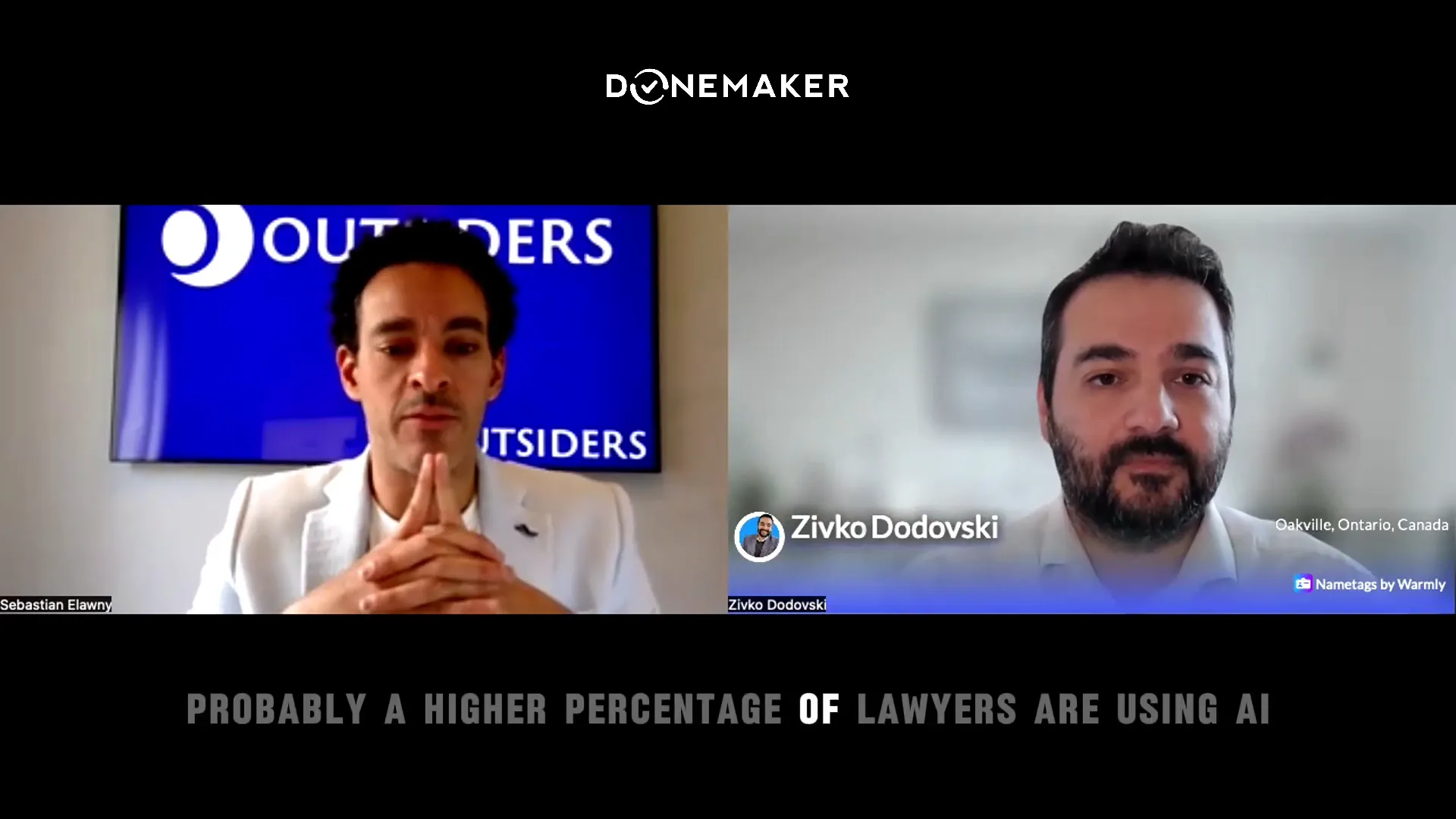
Nonetheless, Sebastian believes AI will revolutionize legal work by automating repetitive tasks and freeing lawyers to focus on higher-value advice. He stresses the importance of learning how to effectively prompt AI tools, predicting that “your job won’t be replaced by AI; it will be replaced by a person who knows how to prompt AI.”
Final recommendation
Successful M&A deal execution requires more than just good intentions. As Sebastian Elawny’s insights reveal, it demands clear, upfront agreements, the right legal expertise, a deep understanding of complex deal structures, and an appreciation for the unique legal frameworks governing specialized sectors like charities. Equally important is overcoming the legal profession’s cultural challenges by embracing feedback, continuous learning, and technology adoption.
By internalizing these lessons, business owners, entrepreneurs, and legal practitioners can navigate the M&A landscape with greater confidence and efficiency, avoiding common pitfalls and positioning their deals for success.
If you are considering an M&A transaction or need guidance on legal matters in commercial or not-for-profit sectors, seeking specialized advice early on can make all the difference.
Watch the full podcast here: You don’t have an M&A deal, you have an IDEA | Sebastian Elawny | DoneMaker Podcast