 Have you ever wondered why some businesses seem to effortlessly turn LinkedIn connections into loyal customers, while others struggle to get noticed? If you’re ready to unlock the secrets of a high-converting LinkedIn lead funnel, you’re in the right place.
In this article, we’ll walk you through every step of building a LinkedIn funnel that converts in 2025, from profile optimization and content marketing to advanced sales strategies and social selling on LinkedIn. Whether you’re new to B2B LinkedIn funnels or looking to sharpen your approach, you’ll find practical tips, proven tactics, and actionable insights to help you generate real results.
Why LinkedIn Is the Best Platform for B2B Lead Funnels
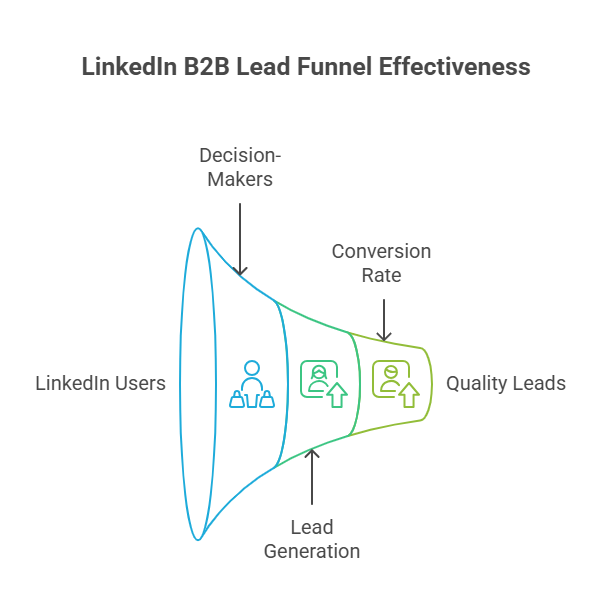
Let’s start with the big question: Why focus your funnel on LinkedIn? The numbers speak for themselves:
- Over 80% of B2B marketers say LinkedIn delivers their best results, for lead generation, brand building, and honest business conversations.
- 80% of LinkedIn users influence buying decisions in their companies, so your audience is full of decision-makers.
- LinkedIn is 277% more effective for lead generation than Facebook and X (Twitter).
- Lead Gen Forms on LinkedIn average a 13% conversion rate, compared to 2.35% for standard landing pages.
If you’re looking for quality over quantity, LinkedIn is where you need to be. Your prospects are already there, actively seeking insights and solutions.
What Is a LinkedIn Lead Funnel?
A LinkedIn lead funnel is a step-by-step process that guides potential customers from discovering you to becoming loyal clients, all within the LinkedIn ecosystem. Think of it as a digital journey:
- Awareness: Attract your target audience to your profile and content.
- Engagement: Start conversations and build relationships.
- Nurturing: Share value and insights to keep prospects interested.
- Conversion: Turn engaged leads into paying customers.
Each stage uses LinkedIn’s features, profiles, content, messaging, and ads to move prospects closer to a decision.
Step 1: Optimize Your LinkedIn Profile for Funnel Success
Your profile is your digital handshake. It’s often the first thing a potential lead sees, so it needs to make a great impression.
Clear Explanation:
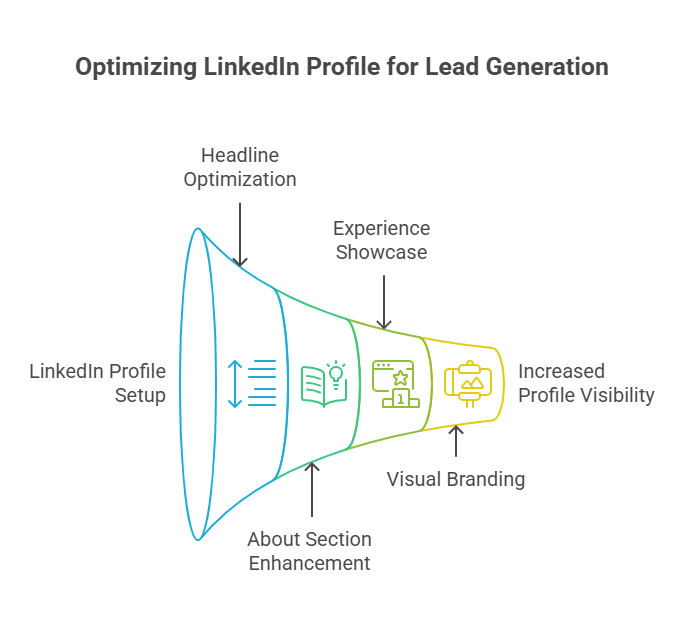
A well-optimized profile isn’t just a resume; it’s a landing page for your funnel. It should communicate who you help, how you help them, and why you’re the right choice.
Practical Example:
Let’s say you’re a B2B SaaS consultant. Instead of “Sales Consultant at XYZ,” your headline could be:
“Helping SaaS founders double their pipeline with LinkedIn lead funnels.”
Your About section should tell your story, highlight your expertise, and showcase the results you’ve delivered. Use keywords like “LinkedIn lead funnel,” “LinkedIn sales strategy,” and “B2B LinkedIn funnel” to boost search visibility.
Actionable Tips:
- Customize your LinkedIn URL to make it easy to share.
- Use a professional photo and branded banner that reflect your industry.
- Write a headline that’s benefit-focused and keyword-rich.
- Tell your story in the About section, focus on how you solve your audience’s problems.
- Highlight results, testimonials, and case studies in your Experience section.
- Keep your profile updated with new achievements and content.
Data:
Profiles with professional photos receive up to 21 times more views and 9 times more connection requests. For more practical advice, check out this LinkedIn profile optimization guide.
Step 2: Build Awareness with LinkedIn Content Marketing
Content is the magnet that brings prospects into your funnel. But what works best in 2025?
Clear Explanation:
LinkedIn content marketing is about sharing insights, stories, and resources that address your audience’s pain points. The goal? Make your profile and posts impossible to ignore. You can learn more about content creation on LinkedIn here: https://donemaker.com/content-vs-outreach-where-to-invest-first-in-2025/
Practical Example:
Suppose you’re targeting HR leaders. You might post:
- A short video: “3 LinkedIn funnel mistakes HR teams make (and how to fix them)”
- A poll: “What’s your biggest challenge with LinkedIn lead generation?”
- A newsletter: “Monthly LinkedIn Funnel Tactics for HR Leaders”
Actionable Tips:
- Post consistently, aim for 2-4 times per week.
- Mix formats: videos, articles, polls, and carousels keep content fresh.
- Use relevant keywords naturally in your posts for better reach.
- Ask questions to spark engagement and invite conversation.
- Include a clear call-to-action: Tell readers what to do next, comment, share, or message you.
Data:
40% of LinkedIn visitors engage with a page organically each week. Video posts receive 1.4 times more engagement than other types of content. Newsletters see open rates 75% higher and conversion rates 800% higher than standard posts.
Step 3: Engage and Connect, The Heart of Social Selling on LinkedIn
Social selling on LinkedIn isn’t about pitching. It’s about building trust and relationships that lead to sales.
Clear Explanation:
Engagement is the bridge between awareness and conversion. It’s where you demonstrate that you’re not just another salesperson; you’re a valuable resource.
Practical Example:
Imagine you’ve just connected with a prospect. Instead of sending a pitch, you comment on their recent post:
“Loved your take on B2B sales trends! Have you tried using LinkedIn lead funnels to boost your pipeline?”
You might also share a relevant article or invite them to a webinar.
Actionable Tips:
- Personalize every connection request and mention something specific from their profile.
- Comment on your prospects’ posts to start genuine conversations.
- Send helpful resources instead of sales pitches.
- Use LinkedIn’s messaging features for timely, personalized follow-ups.
- Set a daily routine: For example, connect with five leads, publish one post, comment on two posts, and send five InMail messages each day.
Data:
Social sellers are 51% more likely to reach their quotas than those who don’t use social selling. LinkedIn’s Social Selling Index (SSI) can help you track your progress; higher SSI scores correlate with better results.
Step 4: Nurture Leads with Value-Driven Content and Messaging
Don’t let your leads go cold. Nurturing is about staying top-of-mind and providing ongoing value.
Clear Explanation:
Nurturing means guiding your prospects with helpful content, regular check-ins, and personalized advice so that when they’re ready to buy, you’re the first person they think of.
Practical Example:
Let’s say a prospect downloaded your LinkedIn funnel checklist. Follow up with:
- A thank-you message and a tip on implementing the checklist.
- An invite to your next LinkedIn Live Q&A.
- A case study showing how another client used your funnel to increase conversions.
Actionable Tips:
- Segment your leads based on their interests and engagement.
- Send personalized messages with relevant resources or event invites.
- Share regular updates and tips, and consider a weekly newsletter or LinkedIn article series.
- Use marketing automation to schedule follow-ups and track engagement.
- Offer free trials or demos to move leads closer to a decision.
Data:
Leads nurtured with targeted content produce a 20% increase in sales opportunities. LinkedIn newsletters and regular updates keep your audience engaged and more likely to convert.
Step 5: Convert Prospects: Turning Engagement into Sales
This is where all your hard work pays off. Conversion is about making it easy for prospects to say “yes.”
Clear Explanation:
Conversion happens when you’ve built enough trust and provided enough value that your prospect is ready to take the next step, whether that’s booking a call, starting a trial, or signing a contract.
Practical Example:
After a series of value-driven interactions, you might send a message like:
“I noticed you’re interested in optimizing your LinkedIn lead funnel. Would you like to schedule a 20-minute call to see how we can help you double your pipeline this quarter?”
Include a direct link to your calendar to make booking easy.
Actionable Tips:
- Use LinkedIn’s scheduling tools (like Calendly links) in your messages for frictionless booking.
- Send personalized proposals based on your prospect’s challenges.
- Share testimonials and case studies to address any last-minute objections.
- Follow up promptly, timing is key to closing deals.
- Make your call-to-action clear and specific, invite them to take one simple step.
Data:
LinkedIn Lead Gen Forms convert at 13%, over five times the industry average for landing pages. Audiences exposed to both brand and acquisition messages on LinkedIn are six times more likely to convert. You can learn more about turning connections into sales here: https://donemaker.com/linkedin-organic-outreach-methods-that-turn/
Advanced LinkedIn Sales Strategy for 2025
Ready to take your funnel to the next level? Let’s talk strategy.
Clear Explanation:
The best LinkedIn sales strategies in 2025 use a mix of content, automation, and precise targeting to keep your funnel full and your pipeline moving. For more on prospecting, check out this LinkedIn prospecting guide.
Practical Example:
- Video-first approach: Create short, mobile-friendly videos explaining LinkedIn funnel strategies.
- AI-powered tools: Use LinkedIn Scheduler and automation to post content and follow up with leads at the right time.
- Interactive content: Host LinkedIn Audio rooms or live Q&As to engage your audience in real time.
- Influencer partnerships: Collaborate with industry leaders to expand your reach.
- Advanced targeting: Use Sales Navigator to find and prioritize high-potential leads based on job title, company size, and engagement.
Actionable Tips:
- Test different content formats and posting times to see what resonates.
- Analyze your analytics to identify your top-performing posts and messages.
- Regularly update your profile and featured content to reflect your latest offers and achievements.
- Ask for feedback from your audience to improve your approach.
Data:
Marketers see up to double the conversion rates on LinkedIn compared to other platforms. LinkedIn’s cost per lead is 28% lower than Google AdWords, making it a cost-effective choice for B2B campaigns.
Measuring and Improving Your LinkedIn Funnel
You can’t improve what you don’t measure. Tracking your LinkedIn funnel’s performance helps you spot what’s working, and what needs tweaking.
Clear Explanation:
Regularly reviewing your funnel metrics ensures you’re moving in the right direction and helps you make data-driven decisions.
Practical Example:
Suppose your connection acceptance rate is low. You might test new connection request messages or update your profile headline. If your content isn’t getting engagement, try new formats or topics.
Actionable Tips:
- Track key metrics: Profile views, connection acceptance, engagement rates, SSI score, qualified leads, and conversions.
- A/B test your messages and content: See which versions get better results.
- Check analytics weekly: Look for trends and adjust your strategy accordingly.
- Celebrate small wins: Every improvement in your funnel is a step toward more conversions.
Data:
Marketers who review their analytics regularly see up to 30% better results from their LinkedIn campaigns.
Common LinkedIn Funnel Mistakes to Avoid
Even the best strategies can be derailed by a few common mistakes. Let’s make sure you steer clear of them.
Clear Explanation:
Avoiding these pitfalls keeps your LinkedIn funnel running smoothly and your prospects engaged.
Practical Example:
- Generic connection requests: “Hi, let’s connect.” Instead, mention something specific from their profile.
- Overly salesy messages: Focus on helping, not selling.
- Ignoring comments: Respond to every comment and question to show you care.
- Posting only promotional content: Mix in value-driven posts, stories, and insights.
- Neglecting follow-ups: Don’t let warm leads go cold; schedule regular check-ins.
Actionable Tips:
- Personalize every interaction.
- Be consistent with your content and engagement.
- Always offer value first, then ask for the sale.
- Set reminders to follow up with interested leads.
LinkedIn Funnel Checklist for 2025
Here’s a quick checklist to keep you on track:
- Optimize your profile for your target audience
- Develop a LinkedIn content marketing calendar
- Use video, newsletters, and interactive posts to drive engagement
- Personalize all connection requests and messages
- Nurture leads with valuable content and timely follow-ups
- Use LinkedIn’s tools for scheduling, analytics, and lead tracking
- Regularly review your metrics and adjust your strategy
Final Recommendations
Building a LinkedIn lead funnel that converts in 2025 is all about being intentional, consistent, and value-driven. Focus on each stage of the funnel, profile, content, engagement, nurturing, and conversion, and use LinkedIn’s unique features to your advantage.
- Start with your profile: Make it clear who you help and how.
- Create content that solves real problems: Mix formats and always include a call-to-action.
- Engage like a human: Personalize, ask questions, and respond thoughtfully.
- Nurture with value: Regular check-ins, helpful resources, and genuine support.
- Make conversion easy: Clear CTAs, simple booking, and social proof.
And remember, your funnel is never “done.” Keep testing, learning, and improving. LinkedIn’s landscape will keep shifting, but if you focus on building real relationships and delivering value, you’ll stay ahead of the curve.
Ready to turn your LinkedIn into a lead machine? Start today, and let your results speak for themselves.