Building a personal brand that truly reflects who you are is one of the most powerful ways to stand out in today’s competitive world. Personal branding is more than just social media followers or polished marketing, it’s about embracing your authentic self and connecting deeply with your audience. Drawing inspiration from the insights of David Allen Tracy, a dynamic keynote speaker and personal brand coach, this guide will walk you through eight essential steps to develop a personal brand that is both authentic and unique.
Introduction
In a recent discussion with David Allen Tracy, renowned for his expertise in personal branding and empowerment, he shared invaluable wisdom on how to break free from societal pressures and childhood trauma to embrace your true self and develop a personal brand that resonates. David’s journey, from growing up among indigenous tribes in Panama to becoming a sought-after personal brand coach, offers a unique perspective on how culture, personality, and inner healing play vital roles in shaping your brand.
Whether you are a solopreneur, a corporate leader, or someone looking to elevate your influence, these eight steps will help you craft a personal brand that is not only memorable but profoundly authentic.
1. Understand Your Unique Vibe: Who Are You?
Personal branding starts from within. Before you can project yourself to the world, you need to understand and articulate your unique vibe—your personality, values, and what makes you, you. David emphasizes the importance of being able to answer fundamental questions such as:
- Who are you?
- Why do you do what you do?
- What motivates you each day?
- What is your original “it factor” or secret sauce?
Most people struggle to define these aspects clearly, but they are the cornerstone of personal branding. Your brand is your story, your vibe, and your essence distilled. Authenticity sells because people can instantly sense when you are genuine and when you’re not.
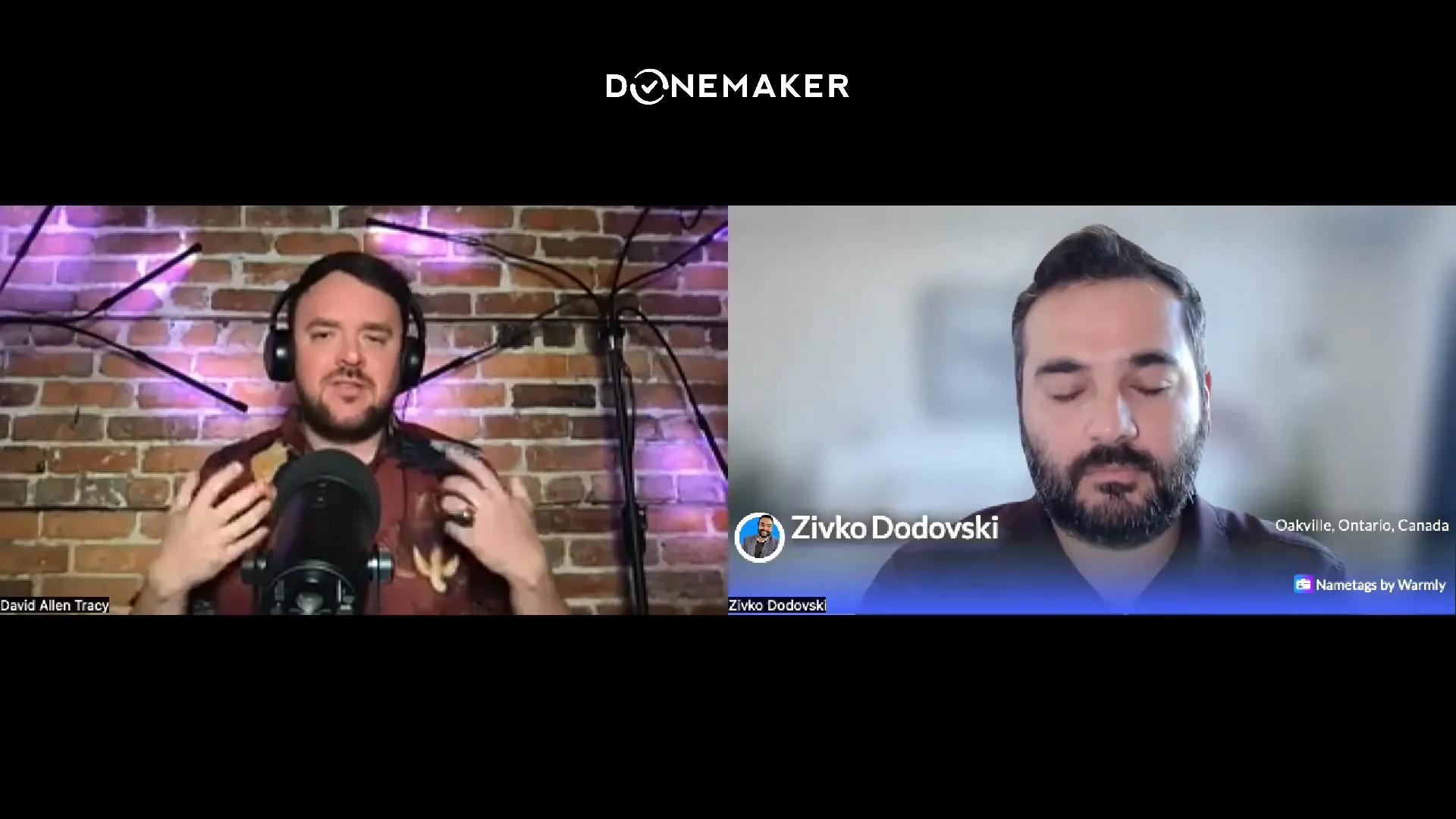
David often reminds his clients that personal branding is not about copying trends or mimicking influencers. Instead, it’s about discovering and owning your authentic self. When you know who you are, you naturally carry authority and command attention.
2. Define Your Tribe: Who Are Your People?
Once you understand your vibe, the next step is to define your tribe—the people who resonate with your message and personality. Personal branding is about connecting with the right audience, not trying to appeal to everyone.
David points out that many marketing mistakes come from focusing externally first, trying to guess what others want, rather than starting internally and then identifying the audience that aligns with your authentic self.
Knowing your tribe helps you tailor your messaging, tone, and even your style to engage your ideal followers, clients, or collaborators. Remember, you cannot be everything to everyone, but you can be everything to the right people.
3. Embrace Your Cultural and Personal Background
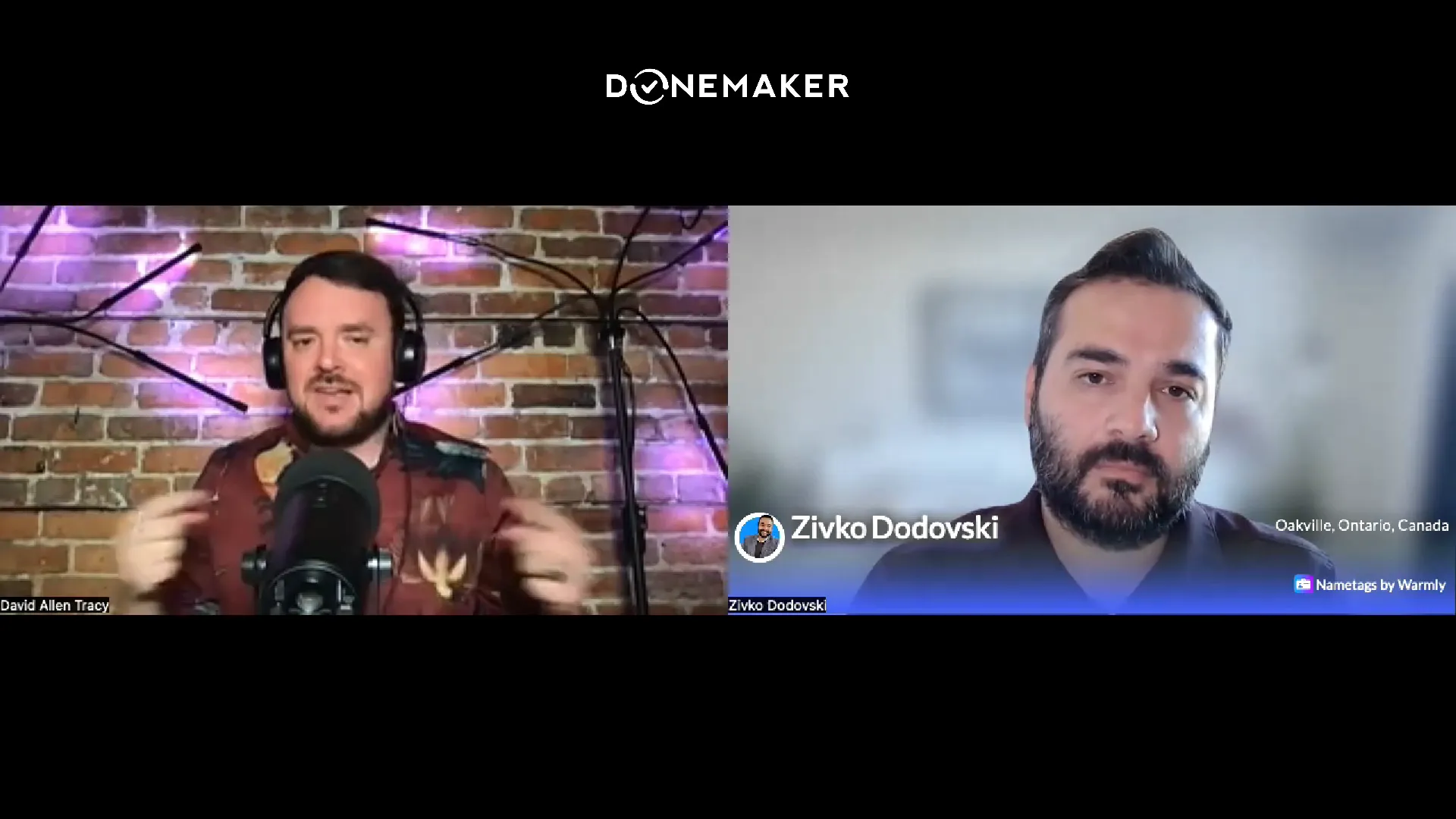
David’s upbringing among indigenous tribes in Panama deeply influenced his approach to personal branding and marketing. Unlike the Western focus on individuality, many indigenous cultures prioritize the collective—the tribe and community.
This perspective shapes how decisions are made and how messages are received. For example, in some cultures, marketing must appeal to the family or community decision-makers rather than just the individual consumer. David illustrates this with the example of Latino markets, where mothers often hold significant influence in purchasing decisions.
Incorporating your cultural background into your personal brand adds richness and authenticity. Storytelling, a core tradition in many indigenous cultures, is a powerful tool in branding. Stories that evoke emotion, humor, or memorable experiences cut through the noise and create lasting impressions.
Understanding the collective mindset alongside individuality can help you craft marketing and branding strategies that resonate on a deeper level with diverse audiences.
4. Overcome Imposter Syndrome by Owning Your Unique Value
Imposter syndrome is a common hurdle on the path to building a personal brand. It’s that nagging feeling that you’re not good enough or that you’re pretending to be something you’re not.
David reframes imposter syndrome with a powerful mindset shift: “You’re only an imposter if you’re actually incapable or inadequate at what you’re doing.” In reality, everyone has a unique perspective and value to offer.
He uses a compelling analogy of pizza styles to explain this. Just as people prefer different kinds of pizza—New York style, Sicilian, Chicago deep-dish—your brand will attract the people who appreciate your unique flavor.
Trying to be someone else or chasing trends leads to cringe-worthy moments and a diluted brand. Instead, be who you are today. Authenticity not only feels better but also attracts genuine followers and clients.
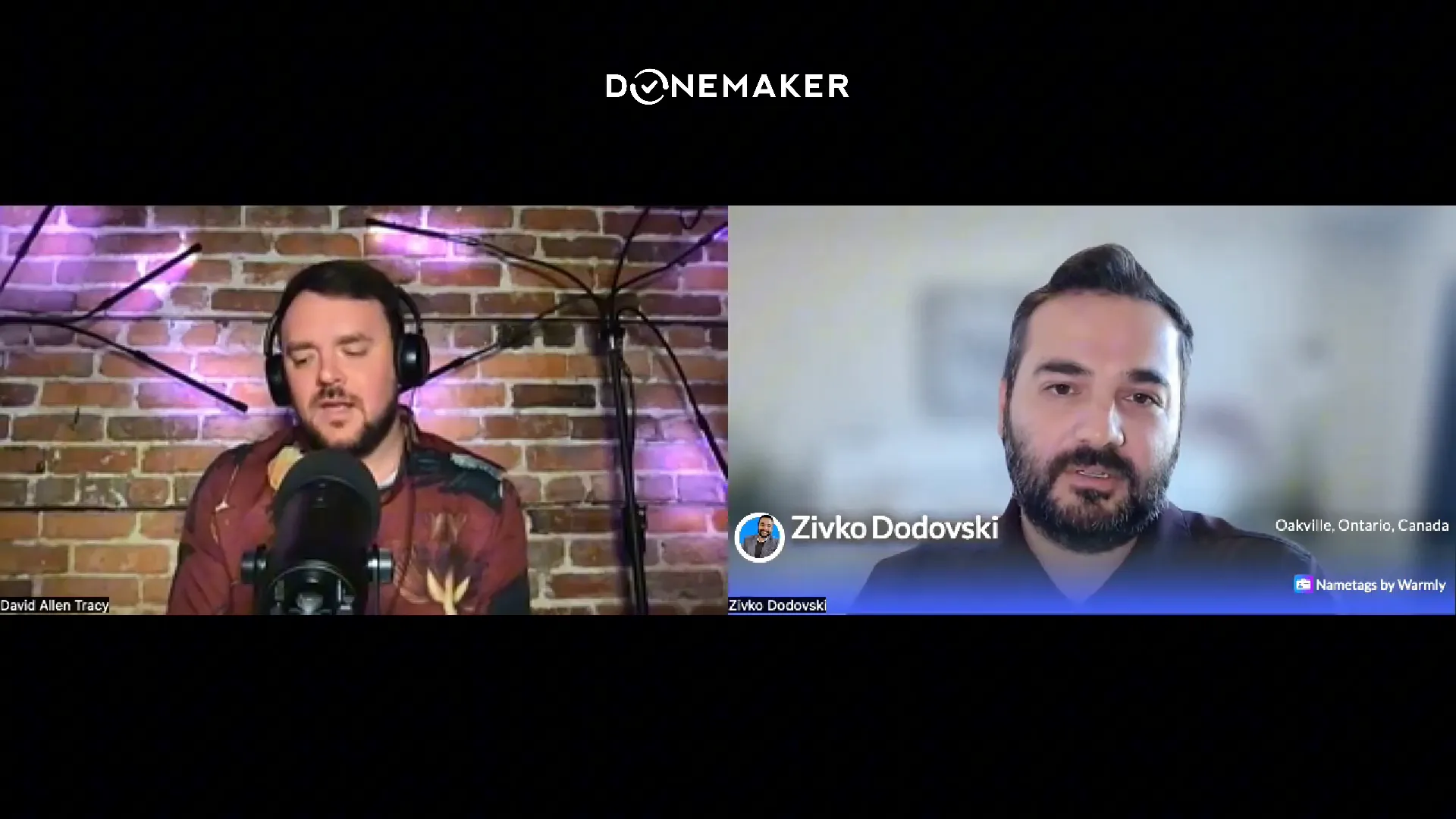
5. Leverage Your Personality with the DISC Assessment
One of David’s unique approaches is using the DISC personality assessment to tailor personal branding strategies. DISC stands for Dominance, Influence, Steadiness, and Conscientiousness. Everyone has a blend of these traits, but one or two tend to dominate.
Understanding your DISC profile helps you design a brand that fits your natural style rather than forcing a cookie-cutter approach.
- Dominance (D): Assertive, results-oriented, and confident.
- Influence (I): Outgoing, enthusiastic, and persuasive.
- Steadiness (S): Patient, calm, and reliable.
- Conscientiousness (C): Detail-oriented, analytical, and precise.
For example, David identifies as a high “I” (Influence) with some “D” (Dominance), which aligns with his energetic, engaging style. However, he also recognizes that not everyone is a high “I.” Many successful influencers, politicians, and keynote speakers have high “C” or “S” profiles.
By aligning your personal brand with your personality type, you can create a more authentic and sustainable presence that feels natural and compelling.
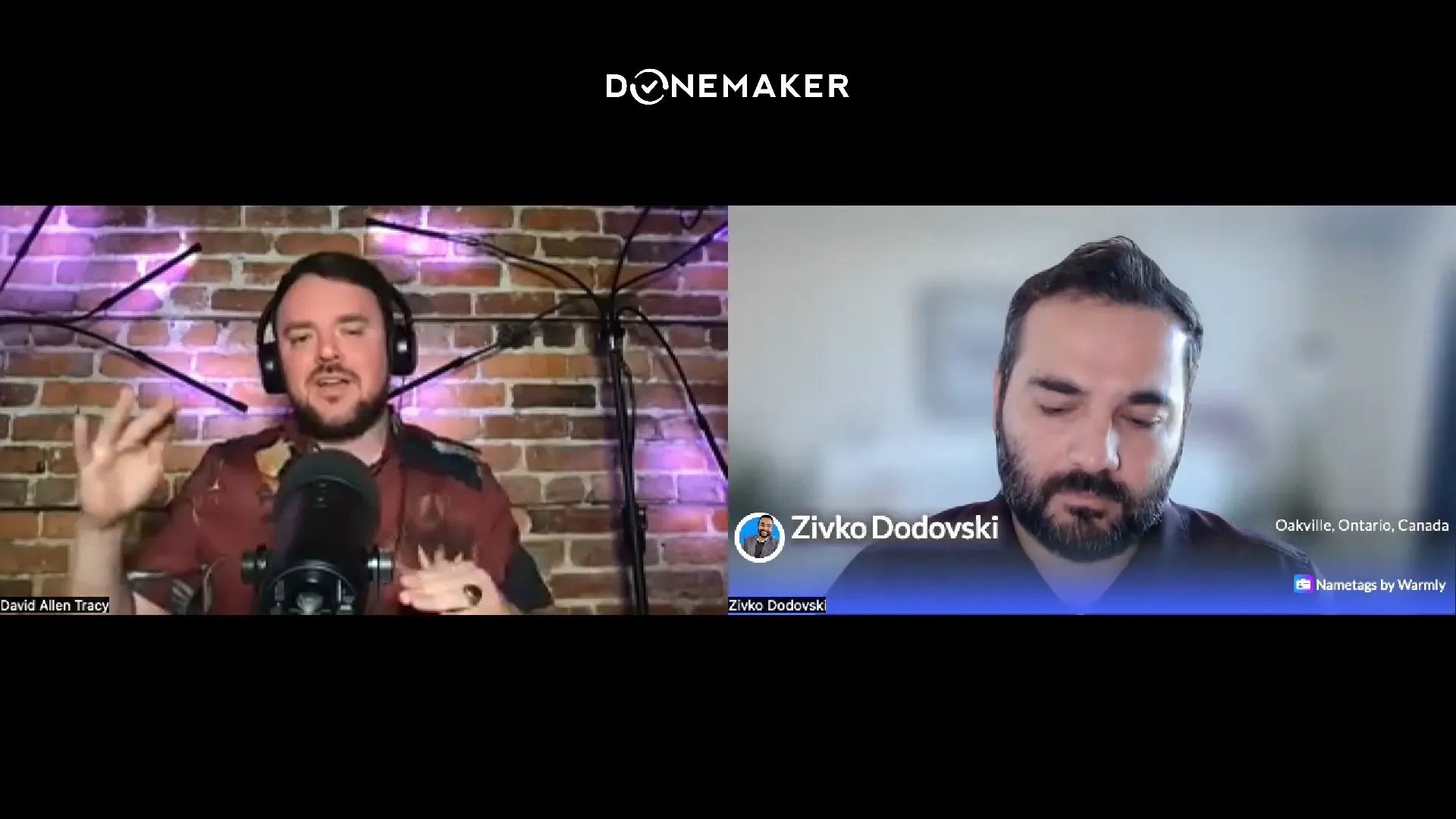
6. Heal Your Inner Blocks and Trauma to Unlock Authenticity
Personal branding is deeply personal, and sometimes inner fears, trauma, or limiting beliefs block your ability to show up authentically. David integrates data healing (such as Theta healing) into his coaching to help clients overcome these internal barriers.
He shares his own story of struggling with his identity after years in nonprofit work, feeling trapped by the expectation to always help others. Healing these patterns allowed him to redefine his brand and express himself more fully, even changing his wardrobe to reflect his true personality.
Addressing fears like public speaking anxiety, fear of failure, or fear of success can dramatically improve your confidence and presence. While David does not provide therapy, he works with mindset and trauma that directly impact your brand’s expression.
Healing your internal narrative is not just about feeling better; it radiates through your personal brand and positively impacts your business and influence.
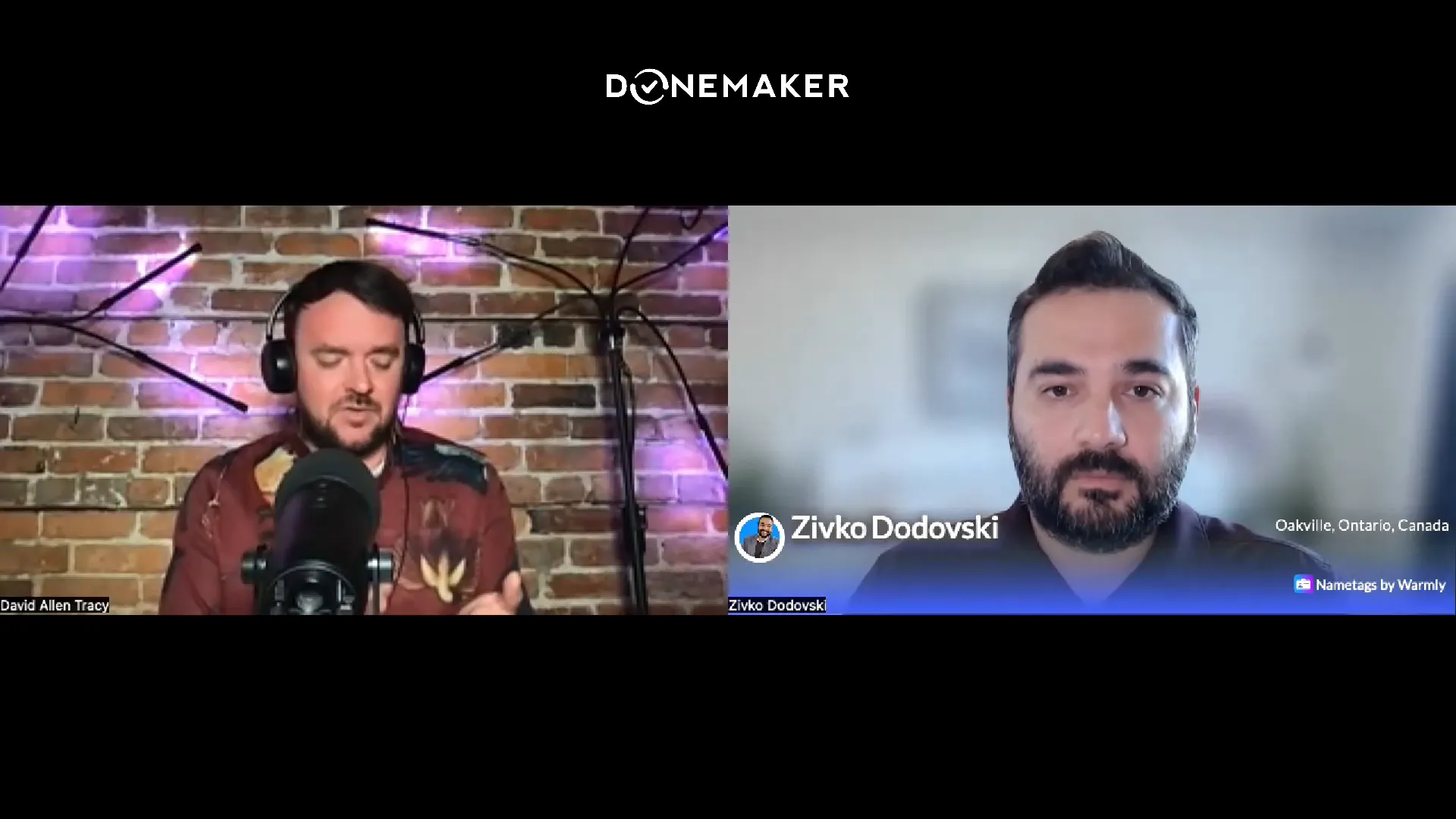
7. Master Your Style and Fashion to Enhance Your Brand
Clothing and style are powerful, often underestimated components of personal branding. David offers styling advice to his clients to help them create a consistent and memorable visual identity.
He explains that your clothing choices tell a story and contribute to how people perceive you before you even speak. For example, keynote speakers who wear the same generic suit and white sneakers blend into the crowd, while those who wear something a little edgy or colorful stand out and attract attention.
David plans outfits strategically based on the event’s location, backdrop, and audience to ensure his clients look iconic and memorable. For men, small details like blazer color, shoes, socks, or cufflinks can elevate their presence significantly.
Variety is key. Wearing the same outfit repeatedly in photos or videos can cause your audience to lose interest. David recommends changing outfits multiple times during photo shoots or video sessions to keep content fresh and engaging.
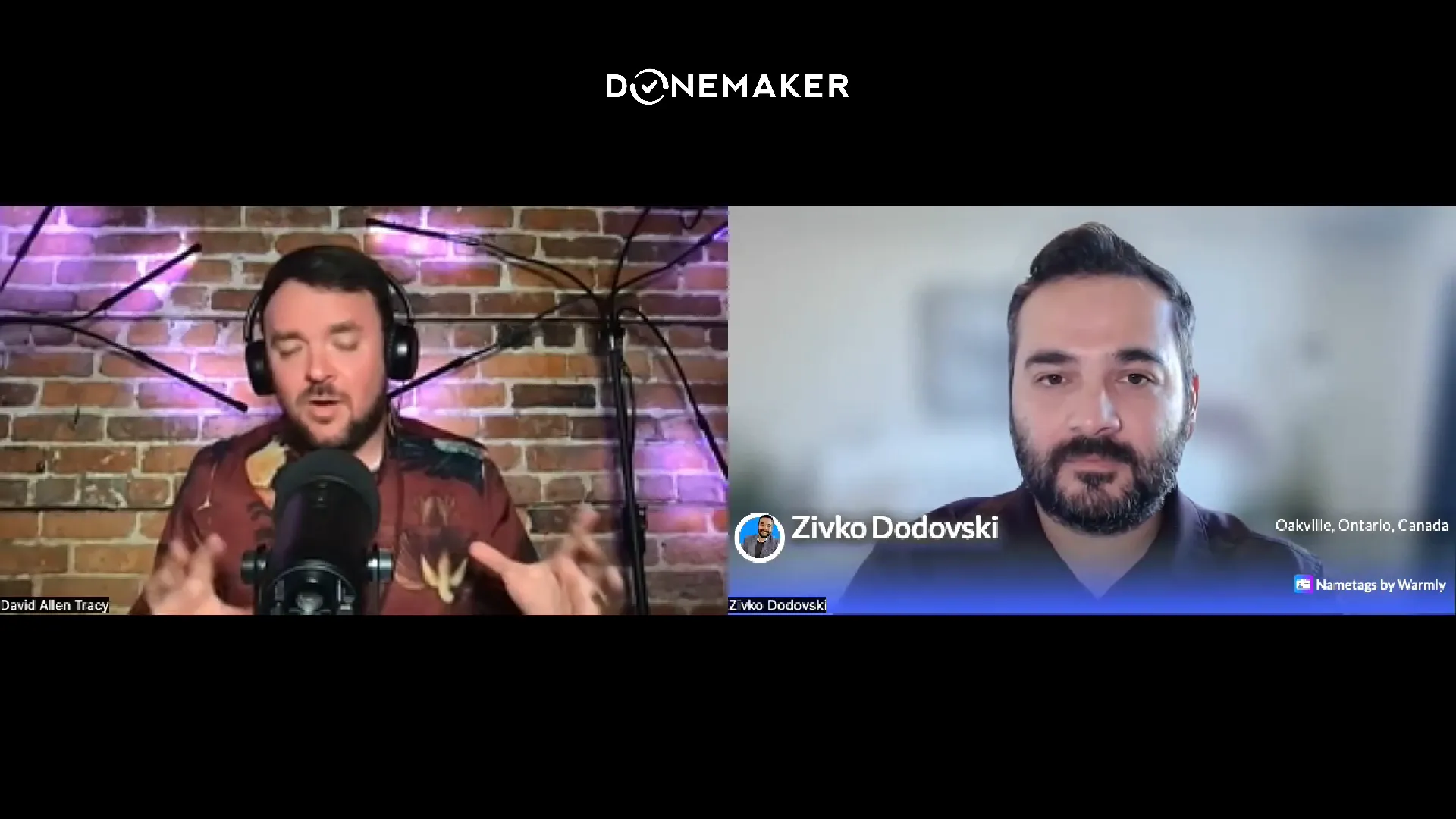
By integrating style into your brand, you create a holistic and compelling image that resonates visually and emotionally with your audience.
8. Network Strategically and Speak Your Brand Language
Personal branding shines brightest when you interact with others. David stresses the importance of strategic networking—knowing your target audience, preparing your elevator pitch, and showing up authentically.
He advises focusing your networking efforts on the people most likely to resonate with and hire you. For example, David targets women ages 30-50 for his personal branding coaching because statistically, they are most receptive to his offerings.
Networking is not just about sales; it’s about creating memorable impressions. When you leave a room, you want to be remembered as “that person” who stood out—not just another face in the crowd.
How you dress, how you speak, and how you listen all contribute to the story you tell. David’s signature tropical patterned shirts, for example, spark curiosity and make people remember him as “the Panama guy.”
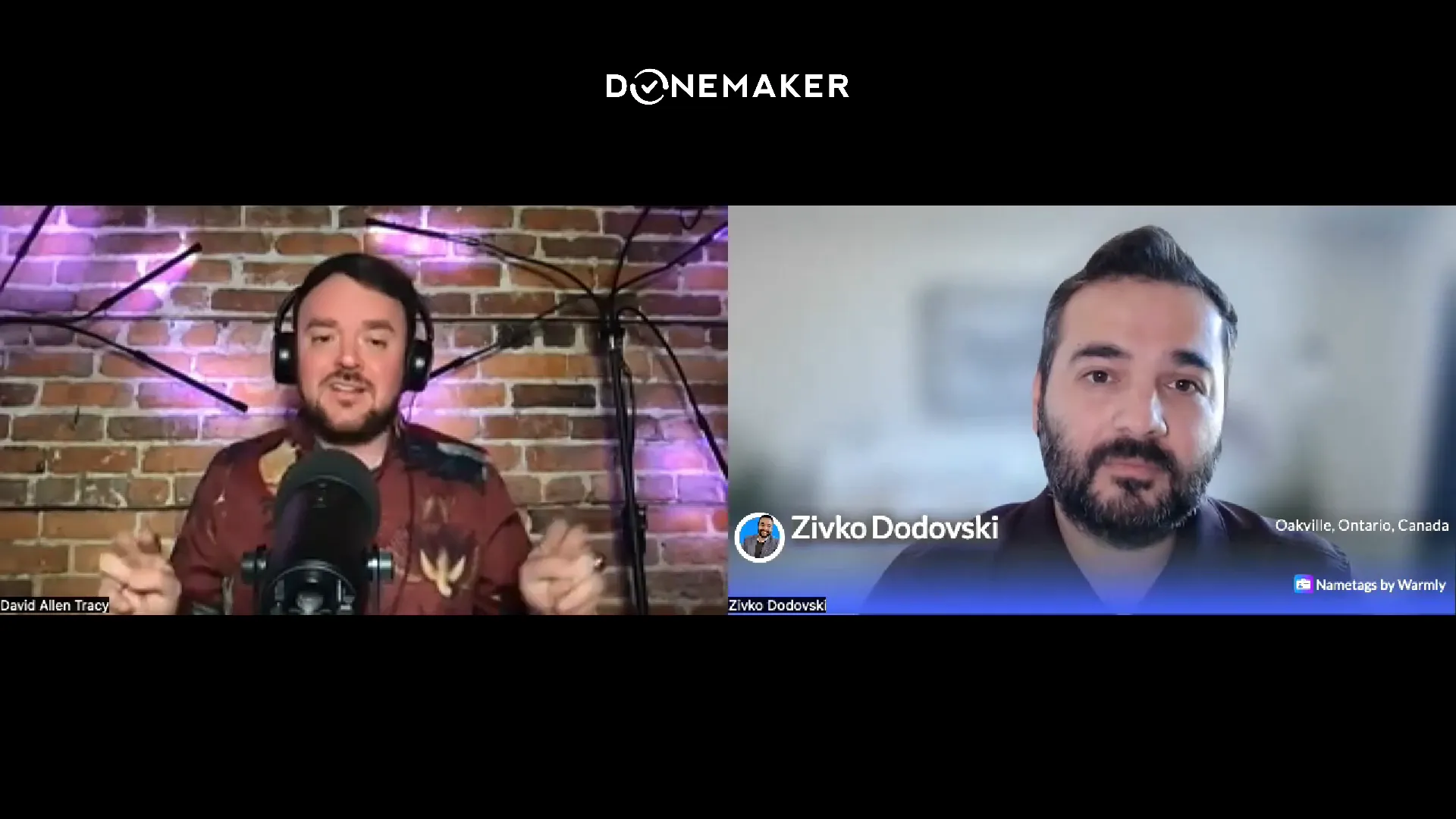
Maximizing networking opportunities by being efficient and intentional helps you build meaningful connections that grow your influence and brand.
Final Recommendations
Building a personal brand that is authentic and unique takes intentional self-discovery, strategic planning, and sometimes inner healing. By understanding your vibe, defining your tribe, embracing your background, overcoming imposter syndrome, leveraging your personality, mastering style, and networking strategically, you create a powerful brand that attracts the right people and opportunities.
As David Allen Tracy beautifully puts it, “Authenticity sells because people can smell BS a mile away.” When you own your story as the author, you naturally carry authority and influence that no one else can replicate.
Start your personal branding journey today by embracing who you truly are and sharing that with the world with confidence and clarity.
For more insights and guidance on personal branding, consider exploring resources from experts like David Allen Tracy who blend marketing expertise with personal empowerment to help you shine.
Watch the full podcast here: How to build a personal brand that is authentic and unique | David Allen Tracy | Donemaker Podcast
Frequently Asked Questions (FAQ)