If you’ve ever wondered why some real estate syndicators seem to effortlessly raise capital and grow their portfolios while others struggle, the answer often lies not just in strategy or market knowledge, but in mindset. Limiting beliefs can quietly sabotage your success, holding you back from reaching your full potential.
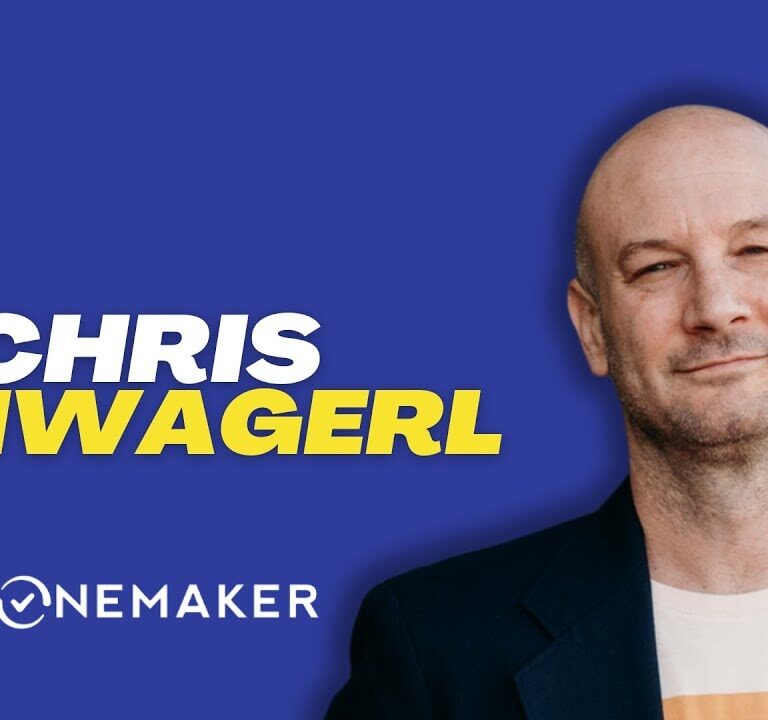
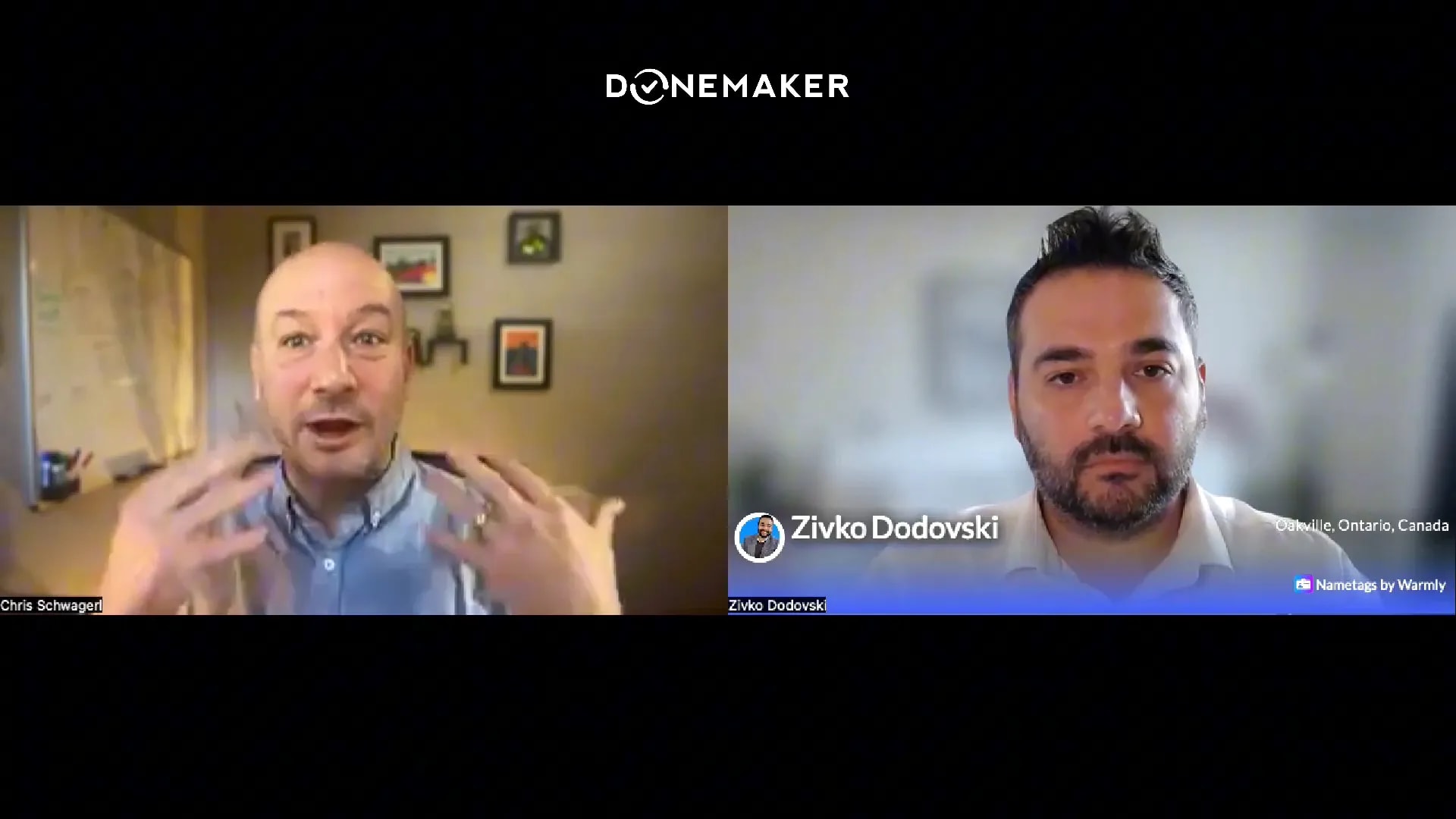
In this comprehensive guide, inspired by insights from Chris Schwagerl, a performance psychologist specializing in real estate syndicators, you’ll discover how to break free from these mental blocks using his proven STARS method. You’ll also learn what performance psychology really means, why mindset matters so much in syndication, and how you can start transforming your approach today.
Table of Contents
- Outline
- Introduction to Mindset and Limiting Beliefs
- 1. Understanding the Real Estate Syndication Landscape
- 2. Why Your Business Might Be a Liability, Not an Asset
- 3. The Realities and Mindset Needed for Real Estate Syndicators
- 4. What Is Performance Psychology and Why It Matters
- 5. The Science Behind Limiting Beliefs and How to Identify Them
- 6. The STARS Method: A 6-Step Process to Break Limiting Beliefs
- Frequently Asked Questions (FAQ)
- Conclusion: Your Next Steps Toward Breaking Limiting Beliefs
Outline
- Introduction to Mindset and Limiting Beliefs
- 1. Understanding the Real Estate Syndication Landscape
- 2. Why Your Business Might Be a Liability, Not an Asset
- 3. The Realities and Mindset Needed for Real Estate Syndicators
- 4. What Is Performance Psychology and Why It Matters
- 5. The Science Behind Limiting Beliefs and How to Identify Them
- 6. The STARS Method: A 6-Step Process to Break Limiting Beliefs
- Frequently Asked Questions
- Conclusion: Your Next Steps Toward Breaking Limiting Beliefs
Introduction to Mindset and Limiting Beliefs
Most people think they “get” mindset because they’ve read a few books or listened to some podcasts. But that understanding is often surface level. Real transformation requires digging deep into the beliefs that unconsciously shape your decisions and actions.
Limiting beliefs are those hidden thoughts that hold you back—telling you you’re not good enough, that success is out of reach, or that you’re destined to fail. These beliefs often develop early in life and can stop you from raising the capital you need, closing deals, or scaling your real estate portfolio.
Chris Schwagerl, a performance psychologist with 19 years of experience and creator of the STARS method, has helped real estate syndicators raise 86% more capital and grow their portfolios by 41% by tackling these mental barriers head-on. His approach is about more than motivation; it’s about rewiring your brain to work for you, not against you.
1. Understanding the Real Estate Syndication Landscape
Before diving into mindset, it’s crucial to understand what real estate syndication really involves. Syndication is when a group of investors pools money to purchase larger properties than one person could afford alone. It’s like assembling a puzzle or a team to complete a big project.
Think of syndication like movies: executive producers raise capital and hire directors, actors, and marketing teams to bring the project to life. Similarly, syndicators raise money from private investors, find deals, manage properties, and distribute returns.
A typical day for a real estate syndicator involves four main activities:
- Building their brand — through podcasts, social media, and public speaking
- Growing their network — attending conferences, connecting on LinkedIn, and engaging with potential investors
- Finding deals — analyzing markets and identifying investment opportunities
- Raising capital — pitching to investors and closing funding rounds
Although this sounds straightforward, the reality is that syndication feels like the Wild West, especially mentally. There’s no boss to answer to, and all the responsibility falls on you. This freedom is exciting yet terrifying, which is why mindset becomes a critical factor in success.
2. Why Your Business Might Be a Liability, Not an Asset
One of the most polarizing concepts in real estate investing—and business in general—is understanding the difference between assets and liabilities. Robert Kiyosaki popularized this in his book Rich Dad Poor Dad, which Chris credits for changing his life.
Here’s the key takeaway:
- Assets put money into your pocket every month.
- Liabilities take money out of your pocket every month.
Surprisingly, your primary residence might be a liability if it costs you more than it earns. Chris mentions his home office as a liability, while his rental properties are assets. Even your 401(k) or pension can be liabilities until they start generating income.
When it comes to your business, it depends on your role. If you’re exchanging time for money (working in your business), it’s a liability. But if you’ve structured your business to generate passive income and you work on your business strategically (like a CEO), then it’s an asset.
Chris shares a story about his client, Bobby, who reached financial freedom but struggled with not working for money anymore. For many, their career or business is more than money—it’s purpose, identity, and fulfillment. So even if your business isn’t a pure asset, it might still be your vocation and passion.
3. The Realities and Mindset Needed for Real Estate Syndicators
Starting in real estate syndication doesn’t require a specific degree or background. Chris has seen doctors, engineers, data scientists, and immigrants succeed by leveraging hustle, teamwork, and collaboration.
But what’s essential is the mindset to view challenges as opportunities and to keep pushing forward despite uncertainty. Syndicators often fear the vast responsibility—writing checks, raising capital, and being accountable for the investment’s success.
Chris likens the path to syndication to an anti-corporate, all-inclusive business resort where anyone with the right mindset can find a place. The key is embracing the hustle and building relationships while solving complex problems.
Despite the appeal, some critics argue that owning multiple rental units hurts the working class. Chris responds by highlighting changing demographics and preferences:
- More millennials and Gen Zers are choosing to rent rather than own.
- People want flexible lifestyles with amenities like pools, gyms, and coffee shops.
- Remote work and gig economy jobs encourage mobility rather than homeownership.
- High prices and debt burdens make owning a home unrealistic for many.
Real estate syndication offers a safer, more accessible way to invest in property without the heavy burdens of individual ownership. It meets the needs of modern lifestyles and financial realities.
4. What Is Performance Psychology and Why It Matters
Performance psychology focuses on optimizing your mental state to perform at your best, whether in sports, business, or life. Unlike traditional psychology that treats illness, performance psychology builds on strengths to help you excel.
Chris points out that every USA Olympic athlete works with a psychological coach to hone their mental game. Without mental readiness, even the most talented athletes—like Simone Biles—can’t perform at their peak.
In real estate syndication, performance psychology helps you manage fear, uncertainty, and self-doubt. It trains you to look in the mirror each day and say, “I am good enough to do this job.”
5. The Science Behind Limiting Beliefs and How to Identify Them
Limiting beliefs are unconscious thoughts that repeat constantly—up to 35,000 thoughts per day, with 96% recurring. Most of these thoughts lean negative, designed by your brain to keep you safe by resisting change.
Chris shares a poignant example of a client holding resentment from sixth grade that hindered his confidence for 33 years. Once those limiting beliefs were addressed, the client’s business flourished, demonstrating how powerful mindset shifts can be.
These beliefs often root in childhood experiences and societal conditioning. Your brain protects you by convincing you not to take risks or change because that’s perceived as dangerous.
To identify limiting beliefs, Chris uses a simple test: if you say, “I can’t raise $500 million,” what reasons or excuses immediately come up? Those reasons are clues to your hidden beliefs.
Understanding that your brain is wired to resist change helps you approach limiting beliefs with curiosity rather than judgment.
6. The STARS Method: A 6-Step Process to Break Limiting Beliefs
The STARS method is Chris’s signature approach to dismantling limiting beliefs and unlocking your highest potential. It integrates 11 psychological theories into a practical process that clients use to raise 86% more capital and grow assets by 41%.
Here’s a breakdown of the STARS steps:
Step 1: Study Your Unique Psychology
Recognize that you are unique. Generic advice won’t fit perfectly. Study your own beliefs, experiences, and patterns to understand what drives you personally.
Step 2: Tear Apart Limiting Beliefs
Dig into your childhood and life experiences to uncover the origins of your limiting beliefs. Understand that these are just electrical impulses in your brain, not absolute truths.
Step 3: Ask Different Questions
Visualize your last day on earth, your funeral, and what people will say about you. This exercise helps you clarify your true values and what legacy you want to leave behind.
Step 4: Embrace Your Legacy
Think beyond your physical life. What impact do you want to have? What imprint will you leave on the world? This perspective shifts your mindset from short-term struggles to long-term purpose.
Step 5: Communicate with Your Higher Power
Whether you believe in God or a higher power, reflect on what they might think about your life choices. This spiritual check-in can provide guidance and motivation.
Step 6: Reconnect with Your Younger Self
Bring your insights back to your sixth-grade self or earlier. Reframe past experiences and give yourself permission to grow beyond old narratives.
Though emotionally challenging, the STARS method is accessible and transformative. Many clients describe the experience as relieving and empowering, enabling them to move forward with clarity and confidence.
Tips for Affirmations That Work
Affirmations are a powerful tool in reshaping your subconscious. Chris offers three rules for effective affirmations:
- Start with “I” to make it personal.
- Use present tense and positive statements (e.g., “I am growing my business”).
- Use your own authentic voice—don’t copy clichés or phrases that don’t feel natural to you.
For example, Chris’s inner voice is playful, so he says, “I’m a pro, brah,” to himself. This makes the affirmation relatable and believable to his subconscious.
Consistency is key. Place affirmations where you’ll see them often, like on your bathroom mirror, and say them out loud to engage multiple parts of your brain.
Frequently Asked Questions (FAQ)
Q: What are limiting beliefs?
A: Limiting beliefs are unconscious negative thoughts and assumptions that restrict your potential. They often originate from childhood or past experiences and shape your behavior without you realizing.
Q: Can mindset really impact how much capital I can raise as a syndicator?
A: Absolutely. Chris’s clients have raised 86% more capital after working on their mindset because they overcome fears, self-doubt, and mental blocks that previously held them back.
Q: How do I know if my business is an asset or a liability?
A: If your business generates income without requiring constant time input from you, it’s an asset. If you must trade your time for money continuously, it functions more like a liability.
Q: How does performance psychology differ from regular psychology?
A: Traditional psychology often focuses on treating illness or problems, while performance psychology aims to optimize mental performance and help you excel in your field by leveraging your strengths.
Q: What if I don’t believe in affirmations or mindset work?
A: Skepticism is normal. Start by observing your thoughts and noticing recurring negative patterns. Trying simple affirmations and seeing if they gradually shift your mindset can be a low-risk way to test their effectiveness.
Conclusion: Your Next Steps Toward Breaking Limiting Beliefs
Breaking limiting beliefs isn’t about quick fixes or empty motivation. It’s about deep self-awareness, courage to face past wounds, and a commitment to rewiring your mental framework. Whether you’re a seasoned real estate syndicator or just starting, your mindset will determine how far you go.
By applying the STARS method and embracing performance psychology, you can stop letting your subconscious fears dictate your success. You can step into a 24/7 vacation mindset—not by quitting work, but by quitting worry and self-doubt.
Remember, your business and investments are reflections of your inner beliefs. Change those, and your outer world will follow.
Ready to take control of your mindset and elevate your real estate syndication game? Start by studying your unique psychology and tearing apart those limiting beliefs. Your future self will thank you.
Watch the full podcast here: What’s Performance Psychology & how to break Limiting Beliefs | Chris Schwagerls | DoneMaker Podcast