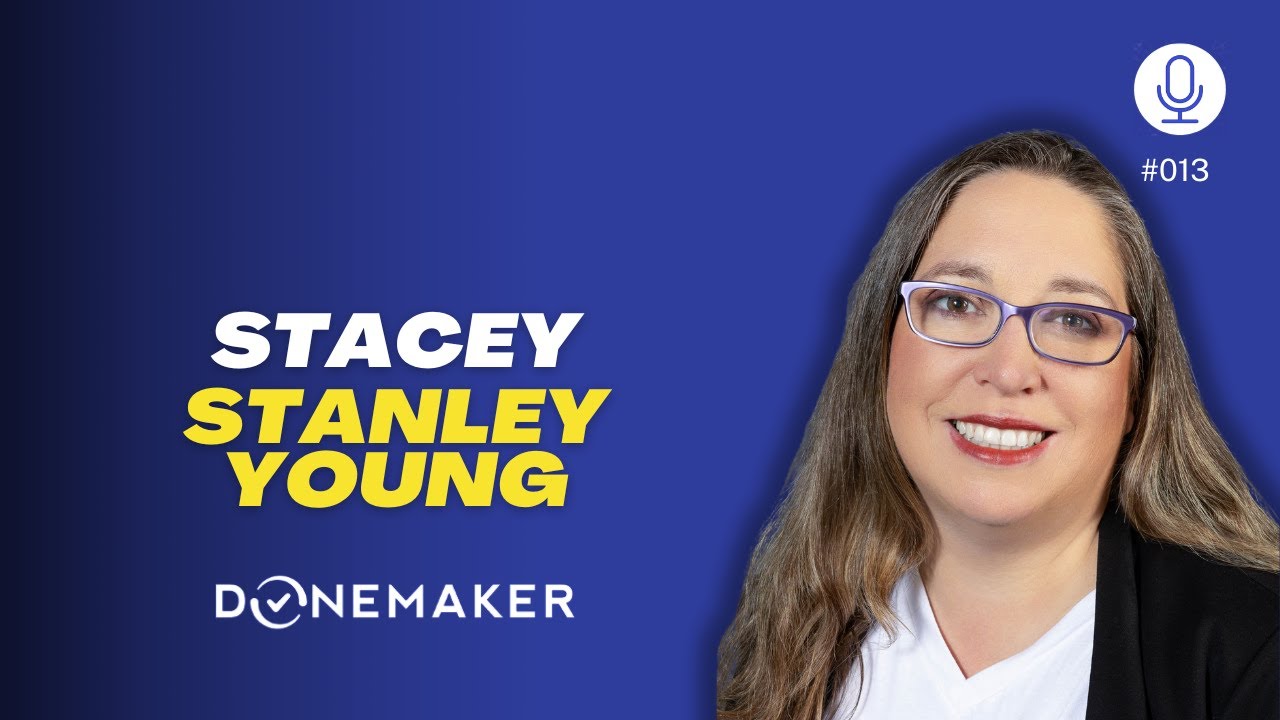
Bookkeeping is a critical backbone of any business, yet it is often misunderstood and underestimated. From confusing bookkeeping with accounting to mishandling tax obligations, many business owners unknowingly fall into costly pitfalls. Drawing on the expertise of Stacy Stanley Young, founder of Stanley Young Business Strategies with over two decades of corporate accounting experience, this article dives deep into the 4 essential insights that will help you properly manage your bookkeeping and steer clear of the most common mistakes.
Whether you run a small business, a startup, or a not-for-profit organization, understanding these key points can transform how you view and handle your finances, giving you clarity, confidence, and control over your business’s financial health.
1. Understanding the True Role of Bookkeeping Versus Accounting
One of the most widespread misconceptions is that bookkeeping and accounting are interchangeable. Many business owners think bookkeeping is just about entering data and reconciling bank accounts, but it goes far beyond that.
Stacy shares her journey from studying accounting in high school and university, aiming to become a CPA, to eventually launching her own bookkeeping firm after a layoff. Initially, she thought bookkeeping would be a part-time, straightforward job—just entering numbers and reconciling accounts. However, reality quickly showed her how much business owners rely on accurate, insightful bookkeeping to make strategic decisions.
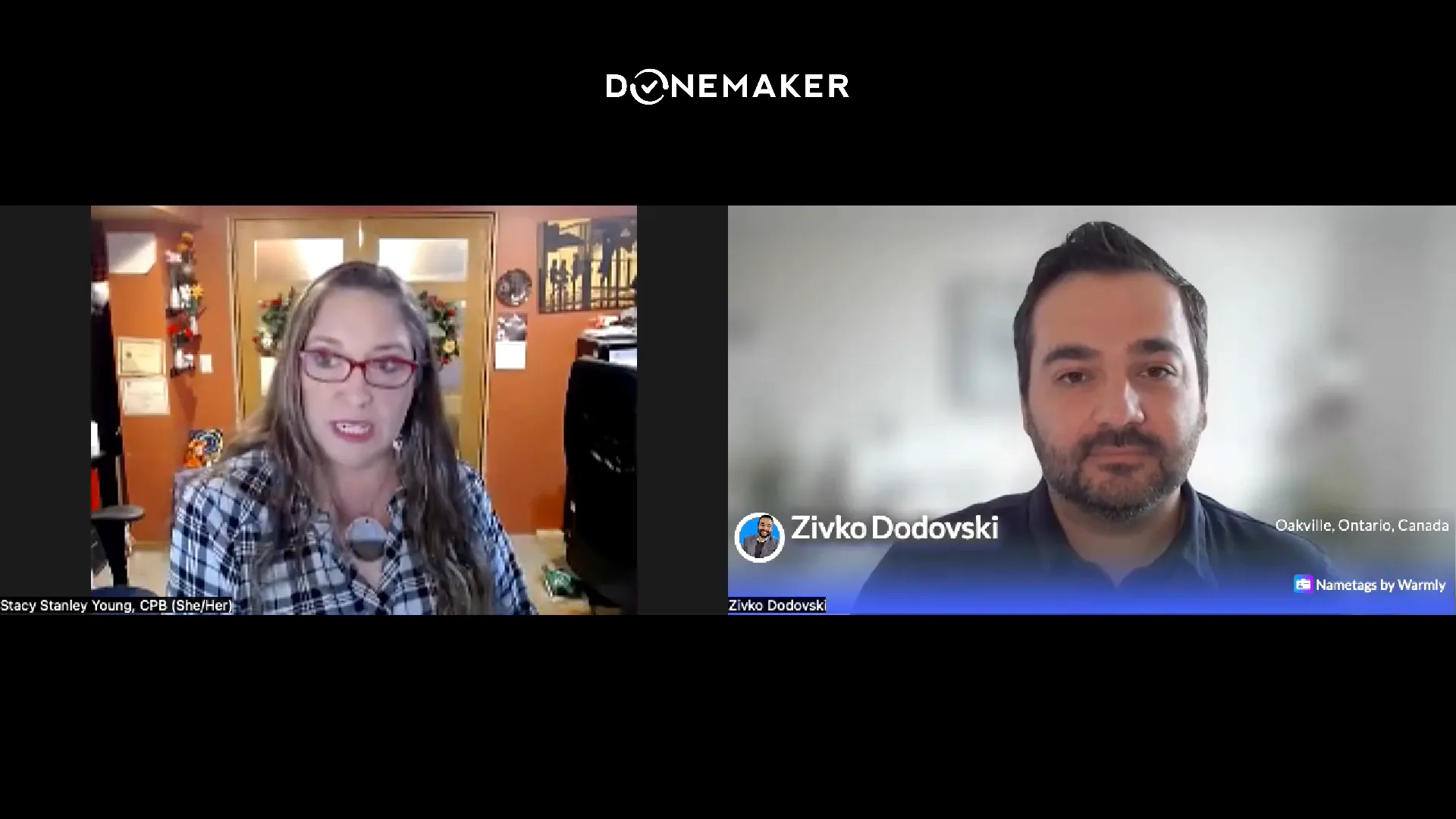
Bookkeepers are often the first line of defense for business owners because they interact with the financial data weekly or even daily, while accountants might only be consulted quarterly or annually. This means bookkeepers have a unique vantage point to interpret what those numbers really mean for the business’s health and future.
Thanks to cloud-based bookkeeping software and real-time data uploads, bookkeepers like Stacy can provide up-to-date financial insights—not just historical snapshots. This allows business owners to:
- Understand true costs, such as lead acquisition, manufacturing, and salaries
- Plan for future changes, such as minimum wage increases
- Prepare for fundraising or grant applications with accurate financial forecasts
Stacy emphasizes that good bookkeeping is about more than data entry; it’s about interpreting financial data to help businesses make informed decisions and avoid trouble.
2. Recognizing the 4 Most Common Bookkeeping Mistakes Business Owners Make
Many business owners get into trouble by making incorrect assumptions or following advice from non-experts, sometimes their business buddies, rather than trusted financial professionals. Here are the 4 most common mistakes Stacy frequently encounters:
1. Mispricing Products Due to Ignorance of True Costs
Stacy recalls working with a talented graphic novel artist who wanted to sell comics for $5 each, unaware that the true cost of printing each comic was nearly $19. This mismatch meant the artist was losing money on every sale.
Without accurate bookkeeping that tracks all costs—from design to printing—business owners can unknowingly price their products too low, jeopardizing profitability and sustainability.
2. Confusing Bookkeeping with Accounting and CFO Roles
Bookkeeping is often seen as just reconciling bank accounts and entering data, but it actually forms the foundation for accounting and financial strategy. While accountants and CFOs analyze financial data for tax, audit, and strategic purposes, bookkeepers maintain the daily financial records and provide early warnings to business owners.
Stacy explains that because bookkeepers work with clients so frequently, they can offer timely insights that help avoid costly mistakes, especially when leveraging cloud-based, real-time bookkeeping tools.
3. Misunderstanding Tax Rules and Obligations
Many business owners misunderstand tax rules, especially around sales tax (GST, HST, PST) registration thresholds and deductions. For example, there is a common myth that you don’t have to charge GST/HST until you earn $30,000 in sales annually. The truth is, once registered, you must charge it regardless of sales volume.
Failing to comply with such tax rules can lead to penalties and costly adjustments. Stacy also highlights misconceptions about expensing large equipment purchases, which must be capitalized and depreciated over time rather than fully expensed immediately.
4. Ignoring Bookkeeping Until It’s Too Late
Some business owners delay bookkeeping or try to cut costs by hiring unqualified bookkeepers. Stacy warns that this often leads to messy records, late financial statements, and audit red flags. For charities and nonprofits, this can be especially dangerous due to strict regulatory requirements.
She advises that if your financial statements are confusing, if there are unexplained negative numbers, or if your bookkeeping is months behind, it’s time to find a better bookkeeping solution.
3. Why Specialized Bookkeeping Matters for Charities and Nonprofits
Bookkeeping for charities and nonprofits is a unique niche that Stacy has specialized in over the past eight years. These organizations often operate on tight budgets and have complex regulatory requirements that differ significantly from for-profit businesses.
Stacy shares her experience as a treasurer of a theological college where she helped refocus board conversations from merely cutting costs to strategically increasing revenue. By breaking down spending, she showed that 75% of their costs were salaries, shifting the focus to fundraising rather than just cost-cutting.
For nonprofits, proper bookkeeping ensures compliance with audits, maintains donor trust, and enables effective project planning. Stacy stresses that investing in good bookkeeping for nonprofits is not an expense but a critical enabler of mission success.
However, many nonprofits hesitate to hire specialized bookkeepers due to cost concerns. Stacy reminds that spending on accurate bookkeeping saves money in the long run by reducing audit costs and preventing financial mismanagement.
4. How Technology and AI Are Changing Bookkeeping Practices
Bookkeeping has evolved dramatically over the last 15 years, with cloud computing and artificial intelligence (AI) driving the biggest changes since the invention of the computer.
Stacy explains that these technologies have enabled real-time bookkeeping, allowing business owners and bookkeepers to have up-to-date financial information at their fingertips. This shift means bookkeeping is no longer a backward-looking activity but a forward-looking strategic tool.
Key benefits include:
- Instant upload and processing of receipts and transactions
- Better cash flow forecasting and financial planning
- Seamless integration of multiple payment and accounting systems
- Remote approval of payments and access to financial data from anywhere
Stacy cautions that if you are still relying on paper-based systems or desktop software without cloud integration, you are missing out on these advantages. She humorously notes the need to be able to approve payments “while sitting on a beach in Mexico sipping a margarita.”
Excel spreadsheets, while cheap, cannot replace the connectivity, accuracy, and forecasting power of modern cloud-based bookkeeping tools
Final recommendation
Proper bookkeeping is far more than just data entry, it is a strategic function that empowers business owners, nonprofit leaders, and entrepreneurs to make informed decisions, avoid costly mistakes, and plan for the future. By understanding the 4 essential insights shared by Stacy Stanley Young, you can distinguish bookkeeping from accounting, avoid common pitfalls, appreciate the value of specialized bookkeeping for nonprofits, and leverage technology to stay ahead.
Investing in quality bookkeeping services is an investment in your business’s success and sustainability. Don’t wait until red flags appear or tax troubles arise, start building a strong financial foundation today.
For those looking to elevate their bookkeeping with expert guidance, Stacy Stanley Young offers personalized, streamlined corporate accounting services tailored to your needs, including specialized support for not-for-profits. Reach out to her via email at [email protected] or visit www.stanleyyoung.ca to learn more.
Watch the full podcast here: How to properly do bookkeeping and most common mistakes | Stacy Stanley Young | DoneMaker Podcast