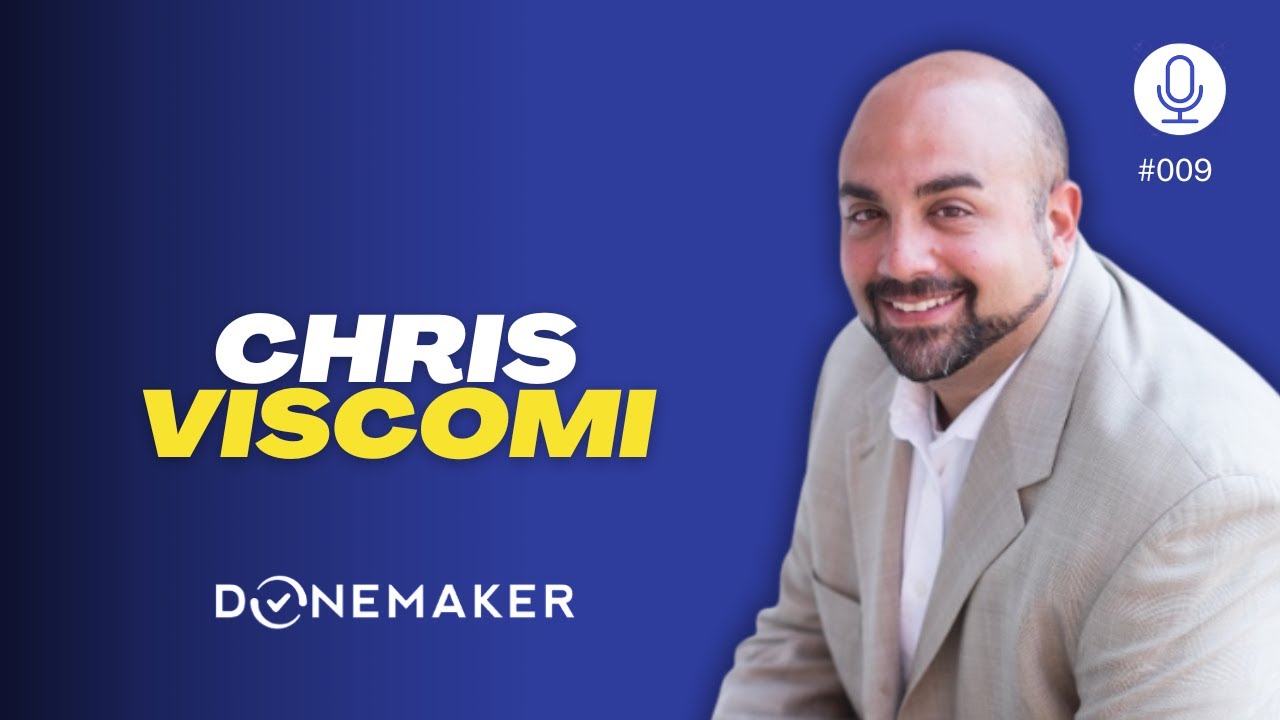
Running a successful digital agency is often seen as a race to scale up, acquire more clients, and expand teams rapidly. But what if the key to true success lies in scaling down? In this article, we explore the unconventional yet highly effective strategy of maintaining a boutique digital agency to enhance profitability, client relationships, and overall business satisfaction. Drawing from the experiences and insights of Chris Viscomi, co-founder of Aliste Marketing, we delve into how focusing on quality over quantity can transform your agency’s operations and culture.
This guide is a deep dive into the mindset, processes, and practical steps that have helped Chris and his agency thrive by doing less but better. Whether you’re an agency owner grappling with growth challenges or simply curious about alternative business models in digital marketing, this piece offers valuable perspectives on optimizing your agency for sustainable success.

1. The Origins of a Boutique Digital Agency
Chris Viscomi’s journey into digital marketing began in a unique way, intertwined with family and a passion for fishing. His sister started Aliste Marketing back in 2008, a challenging time for any business given the economic climate. Over the years, she mastered the creative side of marketing but found the operational side—managing clients, workflows, and business processes—more challenging.
Chris, with his background in building and managing businesses, joined forces with his sister, combining her marketing genius with his process-driven approach. This collaboration laid the foundation for a boutique digital agency that values efficiency, personal connection, and strategic growth.
The agency deliberately chose to remain small, working with a limited number of clients—typically four or five larger ones—to ensure quality and attention. This approach contrasts sharply with the common industry narrative that bigger is always better.
2. Why Scaling Up Isn’t Always the Answer
Many digital agencies feel pressure to expand rapidly, hiring more employees and onboarding more clients. Chris recounts a period when Aliste Marketing grew in size, hiring a larger team to handle more work. While this increased output, it also brought unforeseen challenges:
- Reduced Quality: The quality of work became more transactional and less personalized.
- Increased Internal Conflict: Managing a team of strong personalities led to more time spent on internal dynamics rather than client success.
- Loss of Personal Touch: Client relationships became more distant, reducing trust and collaboration.
- Work-Life Imbalance: The founders found their personal time shrinking, impacting family life and overall happiness.
Ultimately, the agency realized that the financial gains from scaling up didn’t justify the stress, operational complexity, and impact on client relationships. This realization led them to reconsider their growth strategy.
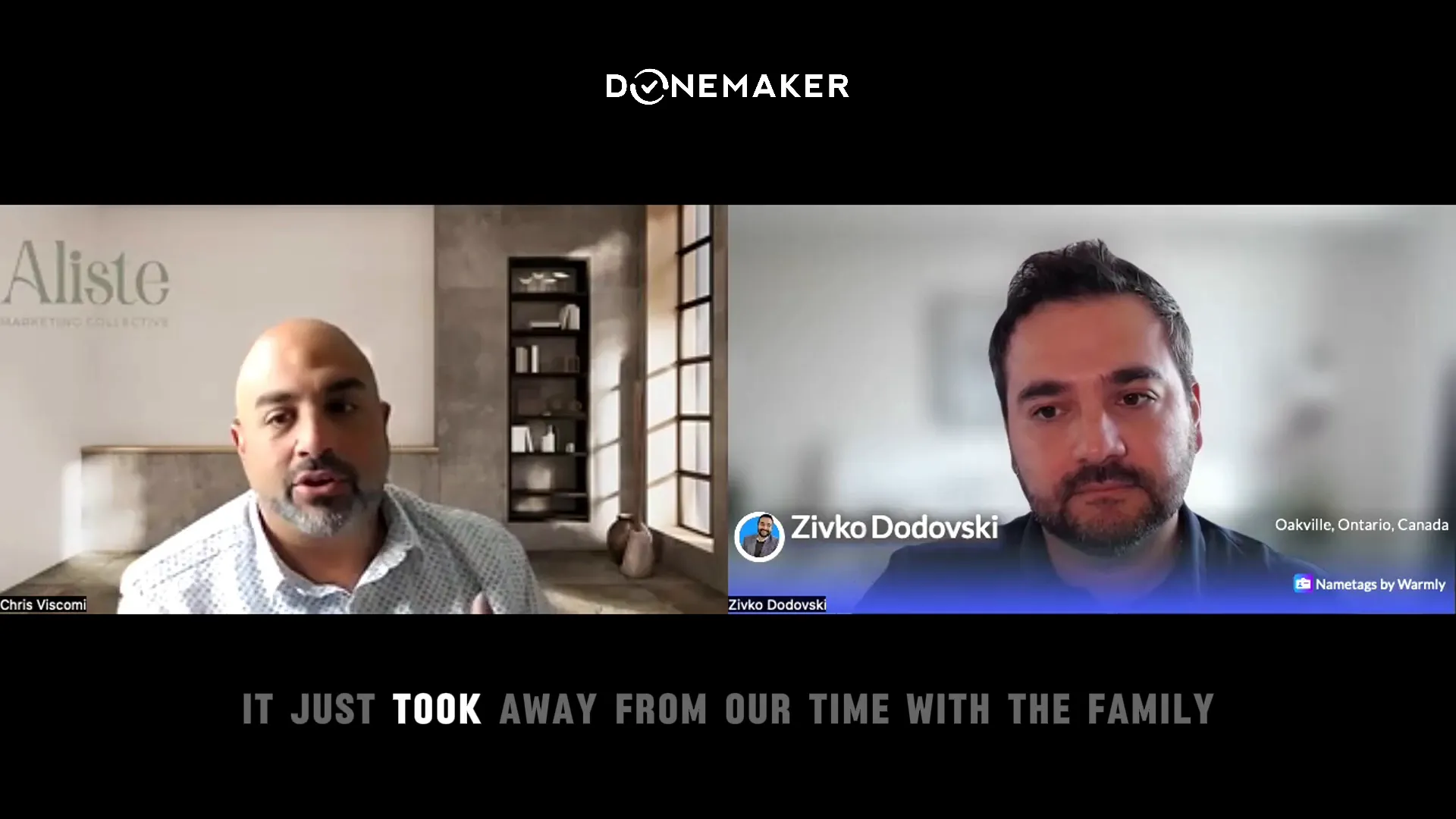
3. Returning to a Boutique Model with Contractors
The decision to downsize was not abrupt but rather a natural progression. As some clients left and the agency focused on those with whom they had long-standing relationships, they found themselves returning to a contractor-based model. This model allowed for:
- Flexibility: Contractors could be brought in as needed, allowing the agency to scale resources without the overhead of full-time staff.
- Higher Profit Margins: Eliminating employee salaries and taxes improved profitability.
- Specialization: Contractors brought laser-focused expertise in specific marketing areas like SEO, PR, and content creation.
- Entrepreneurial Accountability: Contractors treated the work as their own business, often providing higher quality and dedication.
Chris emphasizes that the agency maintained strong relationships with contractors, often meeting them face to face and fostering a family-like culture. This personal connection extends to the clients, creating a cohesive ecosystem focused on delivering top-tier marketing services.
4. Selecting the Right Clients and Building Genuine Relationships
One of the agency’s guiding principles is to work only with clients they believe in and enjoy collaborating with. This selective approach ensures:
- Alignment with Values: The agency particularly favors purpose-driven, eco-friendly brands that aim to make a positive impact.
- Strong Personal Connections: Working closely with owners or CMOs fosters trust and better results.
- Better Outcomes: When there is mutual respect and alignment, marketing efforts are more effective and satisfying.
Chris points out that it’s okay to say no to clients who aren’t a good fit. This honesty builds respect and preserves the agency’s integrity. For example, they tend to avoid industries with heavy compliance requirements like legal or certain financial sectors, where creativity and agility are limited.
5. How Fishing Inspires a Clear Mind for Marketing Creativity
Chris often draws parallels between fishing and his work in marketing. Fishing, for him, is a form of meditation—a way to clear the mind and focus. He explains:
“When you fish, it’s one of those things. The only thing you can do is fish. Just cast, reel back, cast, reel back… it’s great when you have somebody on the boat with you that you enjoy talking to. Every once in a while, it gets interrupted by a fish, which is great. That’s kind of my way of getting the eye piece that I need.”
This clear-headed approach often sparks fresh marketing ideas, sometimes even during fishing trips. The simplicity and calmness help Chris think strategically and creatively about client challenges.
6. Avoiding Political and Religious Controversies in Branding
Purpose-driven brands often want to take a stand on social issues, but Chris advises caution. He stresses that mixing religion or politics with brand messaging can alienate customers because these topics are deeply personal and divisive. He shares:
“Keep religion, politics, all that kind of stuff out of marketing. If employees want to do it on their personal pages, that’s fine. But tying a brand to political or religious views risks alienating a bunch of your clients.”
Using examples like Budweiser’s political stance, Chris highlights how even well-intended marketing can backfire if it excludes or offends segments of the audience. The key is to focus on the brand’s story and mission without wading into controversial territory.
7. The Growing Role of Video and Storytelling
Marketing trends are shifting towards video content, which is more engaging and easier for audiences to consume. Chris notes that people prefer quick, authentic videos over lengthy articles:
“People are lazy. If I want to learn something, I don’t want to read an article. I want to watch a quick video that takes thirty seconds, and then I move on with my life.”
He recommends brands focus on storytelling through behind-the-scenes content, such as how products are made or packaged. Authentic, unpolished clips often resonate more than highly produced videos because they tell a genuine story.
For example, Chris shared a video of fostering a dog from a rescue, which garnered significant attention. This kind of content humanizes the brand and builds community.
8. The Current and Future Impact of AI on Digital Marketing
Artificial Intelligence (AI) is rapidly evolving and has a growing role in digital marketing, especially for content creation. Chris acknowledges AI’s usefulness in generating blogs and conducting research but warns about its limitations:
- AI often lacks the personal touch and can miss the mark in tone and nuance.
- Human oversight is necessary to ensure that AI-generated content aligns with brand voice and messaging.
- In sales outreach, AI can lead to generic, impersonal messages that burn bridges with prospects.
Chris shares an interesting anecdote about AI-generated video ads featuring deepfake versions of celebrities, which signals exciting yet potentially risky future applications.
He also highlights the difference between fishing with one line (personalized outreach) versus a net (mass AI outreach). The former is more targeted and effective, while the latter catches many irrelevant leads, wasting time and damaging reputations.
9. Manual Outreach and Personal Touch in Sales Development
Despite the allure of automation and AI, Chris emphasizes the value of manual, personalized outreach, especially in B2B sales. He explains that quality trumps quantity in lead generation:
- Manual outreach allows for better targeting and customization.
- Building rapport early makes phone conversations and sales negotiations more natural.
- Overuse of scripts and automation leads to low response rates and damaged relationships.
He advises marketers to continually innovate their messaging and focus on authentic connections rather than mass emailing or messaging.
10. Prioritizing Work-Life Balance and Saying No to Poor Fits
Chris reflects on the importance of balancing business ambitions with personal life. He shares how his priorities shifted from chasing money in his twenties to valuing time with family and meaningful work. Key takeaways include:
- It’s okay to say no to projects or clients that don’t align with your values or expertise.
- Taking on difficult projects just for a paycheck often leads to subpar results and burnout.
- Building skills and reputation allows you to attract better clients over time.
- Work should fit within life, not the other way around.
This philosophy not only improves quality of life but also enhances agency performance and client satisfaction.
Final Recommendations
The story of Aliste Marketing offers a refreshing perspective on digital agency growth. Instead of chasing rapid expansion, Chris Viscomi shows that scaling down can be a strategic move towards greater profitability, client satisfaction, and personal fulfillment. By cultivating a boutique model, leveraging trusted contractors, and focusing on genuine relationships, agencies can thrive without the growing pains of large-scale operations.
Embracing clarity of purpose, careful client selection, and a balanced approach to technology like AI and sales outreach, digital agencies can position themselves for long-term success. Whether you’re just starting or feeling overwhelmed by growth pressures, consider the power of doing less—but doing it better.
If you’re interested in learning more or connecting with Chris and Aliste Marketing, visit their website or reach out via email at [email protected].
Watch the full podcast here: Scaling down to increase profitability in your Digital Agency | Chris Viscomi | DoneMaker Podcast