Sales and business development changed dramatically in 2024, and one thing became clear: traditional cold outreach no longer works like it used to. If you were still sending generic emails, impersonal LinkedIn connection requests, or robotic messages last year, you probably saw fewer results—if any at all.
The decline of traditional cold outreach isn’t just a trend—it’s a wake-up call. As we move into 2025, businesses must adapt to stay competitive. In this blog, we’ll explore why traditional cold outreach failed in 2024, why LinkedIn Organic Outreach emerged as the better alternative, and what you need to do differently this year to drive sustainable revenue growth.
Why Traditional Cold Outreach Fell Short in 2024
1. Over-saturation and Lack of Personalization
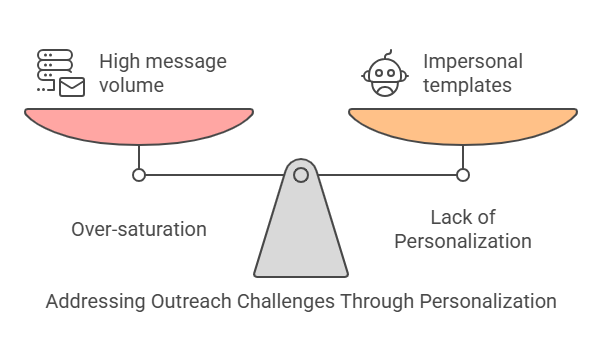
In 2024, everyone’s inbox was overflowing. Whether it was emails or LinkedIn messages, professionals were tired of receiving generic, sales-driven pitches. The average person received dozens of cold outreach attempts every day, and most of these messages were ignored, deleted, or marked as spam.
The problem wasn’t just the volume—it was the lack of personalization. Traditional cold outreach relied heavily on templates and mass messaging, which felt impersonal and transactional. In an era where relationships and trust matter more than ever, this approach simply didn’t work.
2. Changing Buyer Expectations
Buyers became more informed and selective than ever in 2024. They didn’t want to be sold to; they wanted meaningful conversations. Traditional cold outreach often felt like a one-sided pitch, where the seller talked at the buyer instead of engaging with them.
Last year, buyers expected authenticity and value. They wanted to feel understood, not like just another name on a list. If your outreach didn’t address their specific needs and challenges, it failed to make an impact.
3. The Overuse of Automation
Automation tools promised to make cold outreach easier but also contributed to its downfall. Many businesses relied too heavily on bots and automated messaging, resulting in a flood of repetitive, low-quality outreach.
The consequence? People could spot automated messages instantly, and it eroded trust. In 2024, authenticity became non-negotiable, and overly automated outreach missed the mark entirely.
Why LinkedIn Organic Outreach Emerged as the Solution
1. Building Genuine Relationships
LinkedIn Organic Outreach became the antidote to impersonal, cold outreach in 2024. Instead of sending generic messages, this approach focused on personalized, thoughtful engagement. It was about starting conversations, not just making pitches.
By taking the time to understand each prospect’s unique needs and challenges, businesses crafted outreach that resonated—and got results.
2. The Power of Social Selling
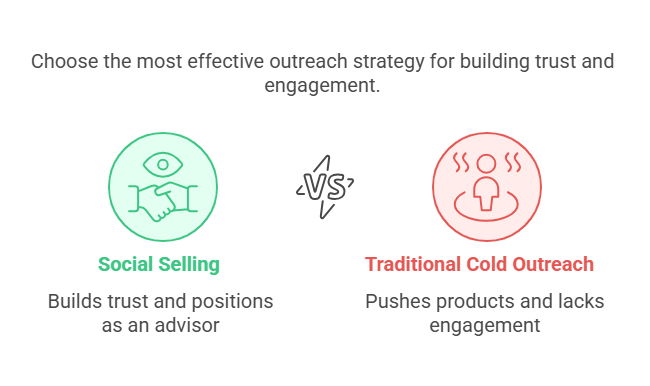
LinkedIn isn’t just a professional network—it’s a platform for building trust and credibility. Organic Outreach allowed businesses to showcase their expertise, share valuable insights, and engage with their audience authentically.
This approach, often called social selling, proved far more effective than traditional cold outreach. Instead of pushing a product or service, businesses positioned themselves as trusted advisors. When prospects were ready to make a decision, they turned to someone they knew and trusted.
3. Sustainable Revenue Growth
One of the biggest drawbacks of traditional cold outreach was its lack of sustainability. While it might have generated a few quick wins, the results were often short-lived. On the other hand, Organic Outreach focused on building a pipeline of engaged, qualified leads over time.
This approach drove immediate revenue growth and set the foundation for long-term success. By nurturing relationships and staying top-of-mind, businesses created a steady stream of opportunities that paid off for months or even years. You can learn more about LinkedIn Organic Outreach here: https://donemaker.com/linkedin-organic-outreach-methods-that-turn/
What You Need to Do Differently in 2025
1. Leave Templates Behind
If you’re still using generic templates for your outreach, it’s time to stop. Personalization is no longer optional—it’s essential. Take the time to research your prospects and tailor your messages to their specific needs and challenges.

For example, instead of saying, “Hi [Name], I think our product could help your business,” try something like: “Hi [Name], I noticed your team recently launched [specific project]. I’d love to share how we’ve helped similar companies achieve [specific result].”
2. Focus on Value, Not Sales
Instead of leading with a pitch, focus on providing value. Share insights, offer solutions, and start conversations that matter. When you prioritize helping your prospects, the sales will follow.
For instance, you could share a relevant case study, a helpful article, or a tip that addresses a common challenge in their industry. This positions you as a resource, not just another salesperson.
3. Leverage LinkedIn the Right Way
LinkedIn is a powerful tool, but only if you use it correctly. Avoid spamming connection requests or sending automated messages. Instead, engage authentically, share valuable content, and build relationships over time.
Here are a few tips for effective LinkedIn Organic Outreach:
- Personalize every connection request with a note explaining why you want to connect.
- Comment thoughtfully on your prospects’ posts to start conversations.
- Share content that showcases your expertise and provides value to your network.
4. Be Patient and Consistent
Organic Outreach isn’t about quick wins—it’s about long-term growth. Be patient, stay consistent, and focus on building trust. Over time, your efforts will pay off in the form of stronger relationships and sustainable revenue growth.
Set realistic goals, track your progress, and celebrate small wins along the way. Remember, this is a marathon, not a sprint.
5. Measure and Adapt
Track your outreach efforts to see what’s working and what’s not. Use insights from your campaigns to refine your approach and improve your results over time. Flexibility and adaptability are key to staying ahead in 2025.
For example, if you notice that personalized video messages get more responses than text-based ones, double down on that strategy. If certain types of content generate more engagement, create more of it. You can read more about this topic here: https://donemaker.com/the-death-of-generic-outreach-new-rules-for-2025/
Final Recommendations
2024 was a turning point for sales and outreach. Traditional cold outreach failed because it couldn’t keep up with changing buyer expectations, the demand for personalization, and the backlash against automation. LinkedIn Organic Outreach emerged as the solution, offering a more authentic, relationship-driven approach.
As we move into 2025, the lessons from last year are clear: businesses must adapt or risk being left behind. Here are our final recommendations to help you succeed in this new era of outreach:
1. Commit to Personalization
Stop relying on generic templates and mass messaging. Invest time in researching your prospects and crafting personalized messages that address their specific needs and challenges. Personalization isn’t just a nice-to-have—it’s a must.
2. Prioritize Relationships Over Transactions
Shift your mindset from selling to building relationships. Focus on starting meaningful conversations, providing value, and positioning yourself as a trusted advisor. When you prioritize relationships, sales will follow naturally.
3. Use LinkedIn Strategically
LinkedIn is a powerful platform, but only if you use it correctly. Avoid spamming connection requests or sending automated messages. Instead, engage authentically, share valuable content, and build your presence as a thought leader in your industry.
4. Be Consistent and Patient
Organic Outreach is a long-term strategy. Don’t expect overnight results. Stay consistent with your efforts, nurture your relationships, and trust that your hard work will pay off in the form of sustainable revenue growth.
5. Measure and Adapt
Track your outreach efforts to see what’s working and what’s not. Use insights from your campaigns to refine your approach and improve your results over time. Flexibility and adaptability are key to staying ahead in 2025.
The future of outreach is here—and it’s human. By embracing these recommendations, you can leave outdated cold outreach tactics behind and build a strategy that drives lasting results.
Frequently Asked Questions (FAQ’s)