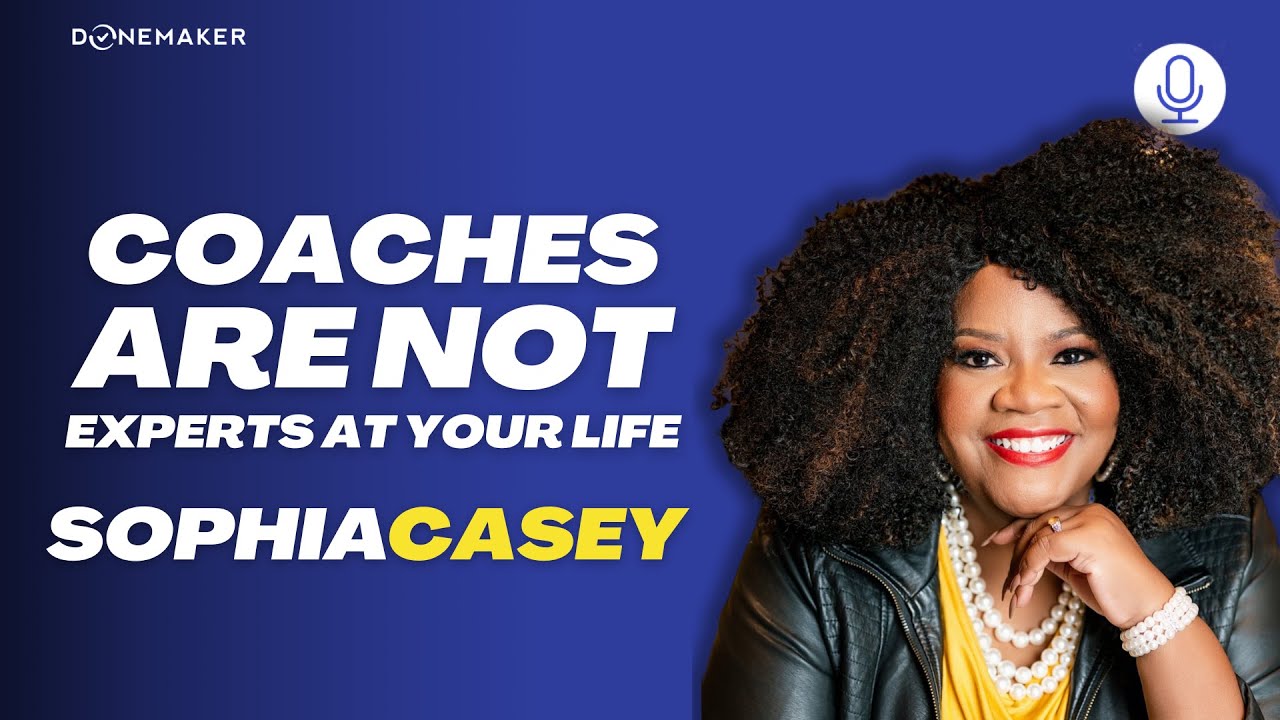
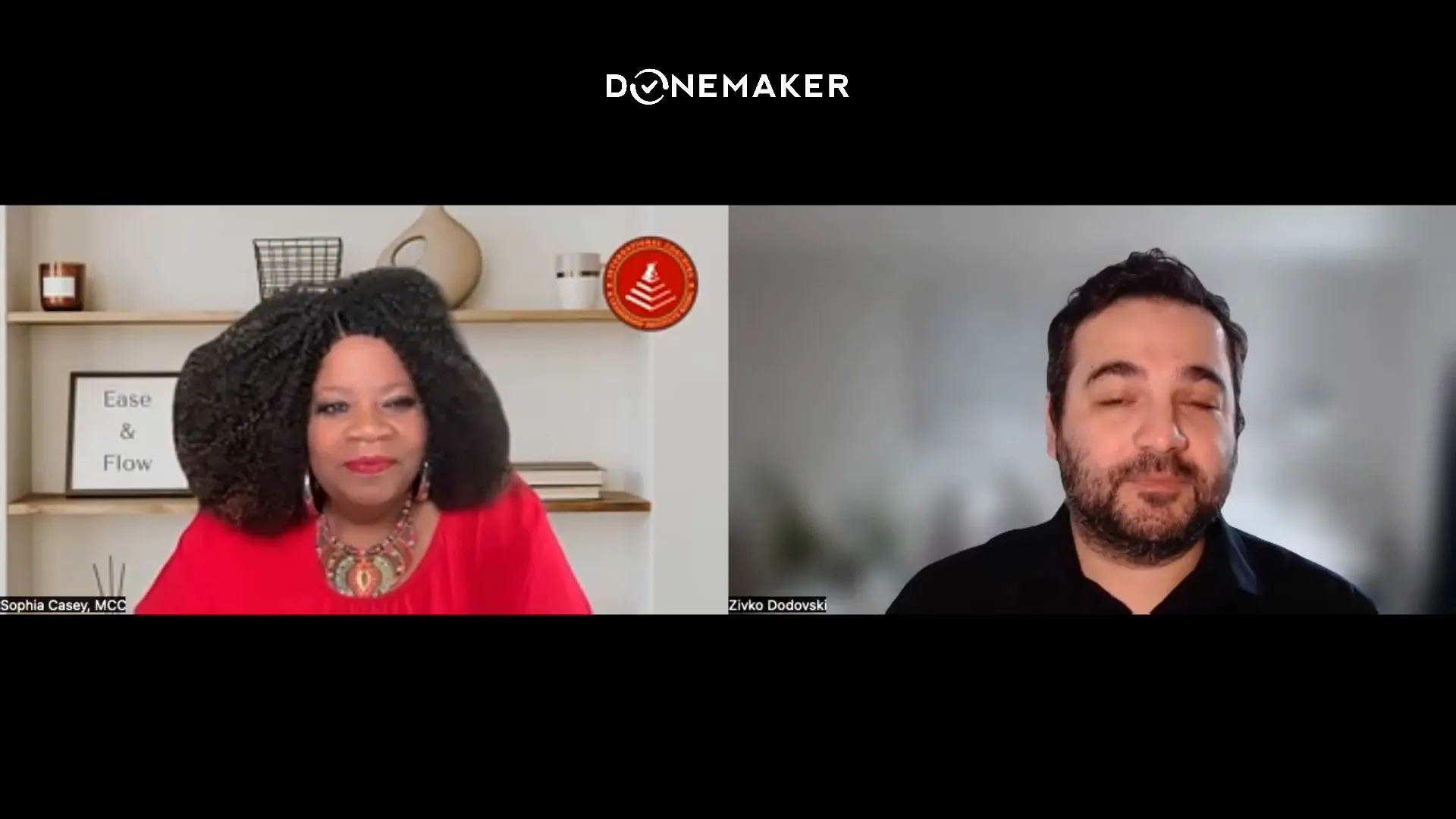
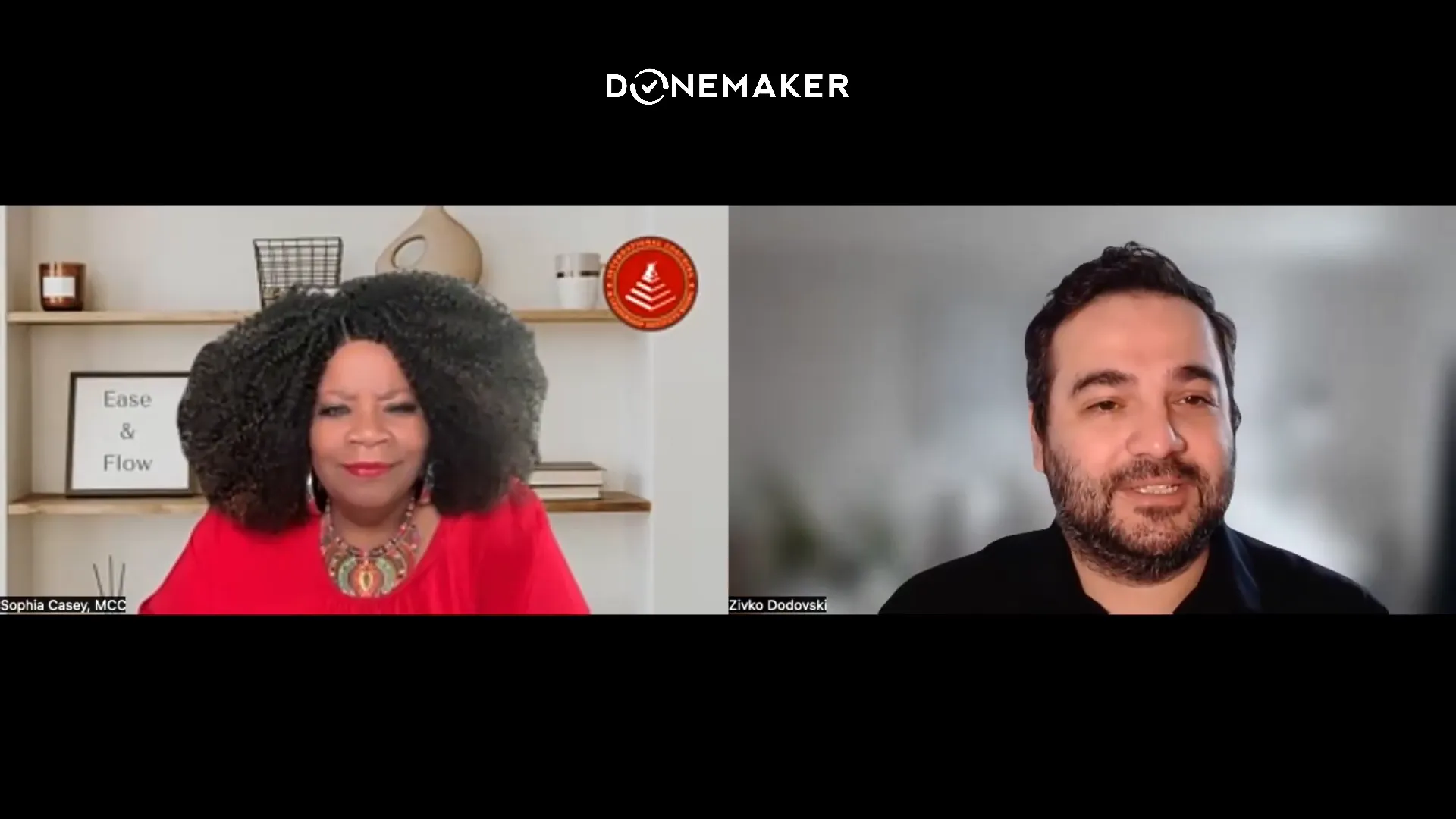
I joined DoneMaker on their podcast to talk about Coaching, and I want to bring that same clarity to you here. I am Sophia Casey, a Master Certified Coach and founder of ICLI Rising. I have mentored and trained over a thousand coaches, and what I share in this article comes from years of classroom work, real client relationships, and the messy, beautiful truth of this profession. You will get practical steps, real expectations, and honest guidance so you can make Coaching a craft, a practice, and a sustainable business.
When you begin exploring Coaching, you will meet many voices and opinions. Some will promise fast shortcuts. Others will confuse titles. My aim here is to give you a roadmap that honors the heart of the work and the realities of building it into a business.
1. Coaching is not being an expert at someone else’s life
Let me start with the most freeing truth: you do not need to be an expert at your client’s field to be an excellent Coach. If you are worried that your lack of industry specifics will disqualify you, breathe out. Coaching is a discipline of presence, listening, powerful questions, and skillful reflection. You do not hold all the answers for anyone.
When you show up as a Coach, your work is to hold a space where the person in front of you can discover their clarity and act on it. That means you are an expert at the Coaching process, not at every specialized subject your clients bring. You will be surprised how often a leader with decades of technical knowledge only needs a different question to unlock momentum.
I sometimes tell students I have a third ear: I listen not only to the words but to the gaps, the tone, and the unsaid. That is Coaching skill. You bring curiosity, structure, and relational honesty. Those tools produce transformation. Your client brings expertise about their life, and together you co-create new outcomes.
- What to do instead of pretending to know it all: Ask open ended questions, reflect what you hear, and map the next small action. Remember: you are there to catalyze, not to fix.
- When industry specifics are needed: Be transparent. Say what you do and do not know, and if a consultant voice is required, move into it only with your client’s awareness and permission.
2. Get formal training, then practice like your clients depend on you
If you feel pulled to make Coaching your profession, the smartest move is to seek formal training. Not because paper makes you worthy, but because disciplined training teaches you the core competencies that reliably produce results. Training gives you the language, the ethics, and the muscle memory to hold the Coaching container.
When you study Coaching thoroughly, you learn how to create transformational outcomes rather than transactional ones. Training teaches you how to notice patterns, how to ask the questions that lead to insight, and how to support accountability without creating dependency. In my classes I push students to start coaching on day one. Why? Because the learning that sticks is practice with feedback.
Formal training also prepares you for the business realities of Coaching. You will learn how to design packages, how to structure a client journey, and how to steward testimonials and referrals. At some point this work becomes a business, and you want systems to sustain it.
- Short learner’s checklist: Find an accredited training or reputable program, practice consistently, and get feedback from experienced mentors.
- Practice daily habits: Keep a journal of client patterns, role play sessions with peers, and schedule regular mentor reviews.
3. Bust common myths and build real confidence
There are myths that trip up new Coaches again and again. You might believe you must be perfect, have everything figured out, or be an expert in your client’s domain. Those myths are not only false, they are harmful. They keep good people hiding rather than practicing.
Here are the myths that come up most often in training rooms, and how you turn them into fuel:
- Myth: You must have your life completely together. Reality: You do not. Your story and your growth are assets because they allow you to connect heart to heart. Vulnerability builds trust faster than perfection.
- Myth: You must be an expert in the client’s subject. Reality: Coaching expertise is process expertise. If a client needs technical guidance, bring a consultant or a subject matter expert into the mix with clear roles.
- Myth: Coaching is about telling people what to do. Reality: Coaching is about helping people access their own expertise and follow through on meaningful choices.
Expect moments where imposter feelings show up. I still feel them sometimes after many years of work. The trick is not to eradicate the feeling but to act despite it. You already have what you need to be a phenomenal Coach; training simply adds tools to your toolbox.
4. Build structures that make Coaching a sustainable practice and business
One of the biggest disconnects I see is people who can Coach brilliantly but never turn it into a practice that lasts. Many Coaches stop after their first year because they lack structures to move them forward. If you want Coaching to be a reliable part of your life and income, you must design a business around your practice.
Structures that matter include accountability groups, weekly business work blocks, and a community that understands your goals. I call these your coaching communities and coaching besties. You need others who will call you forth when the saboteurs are loud.
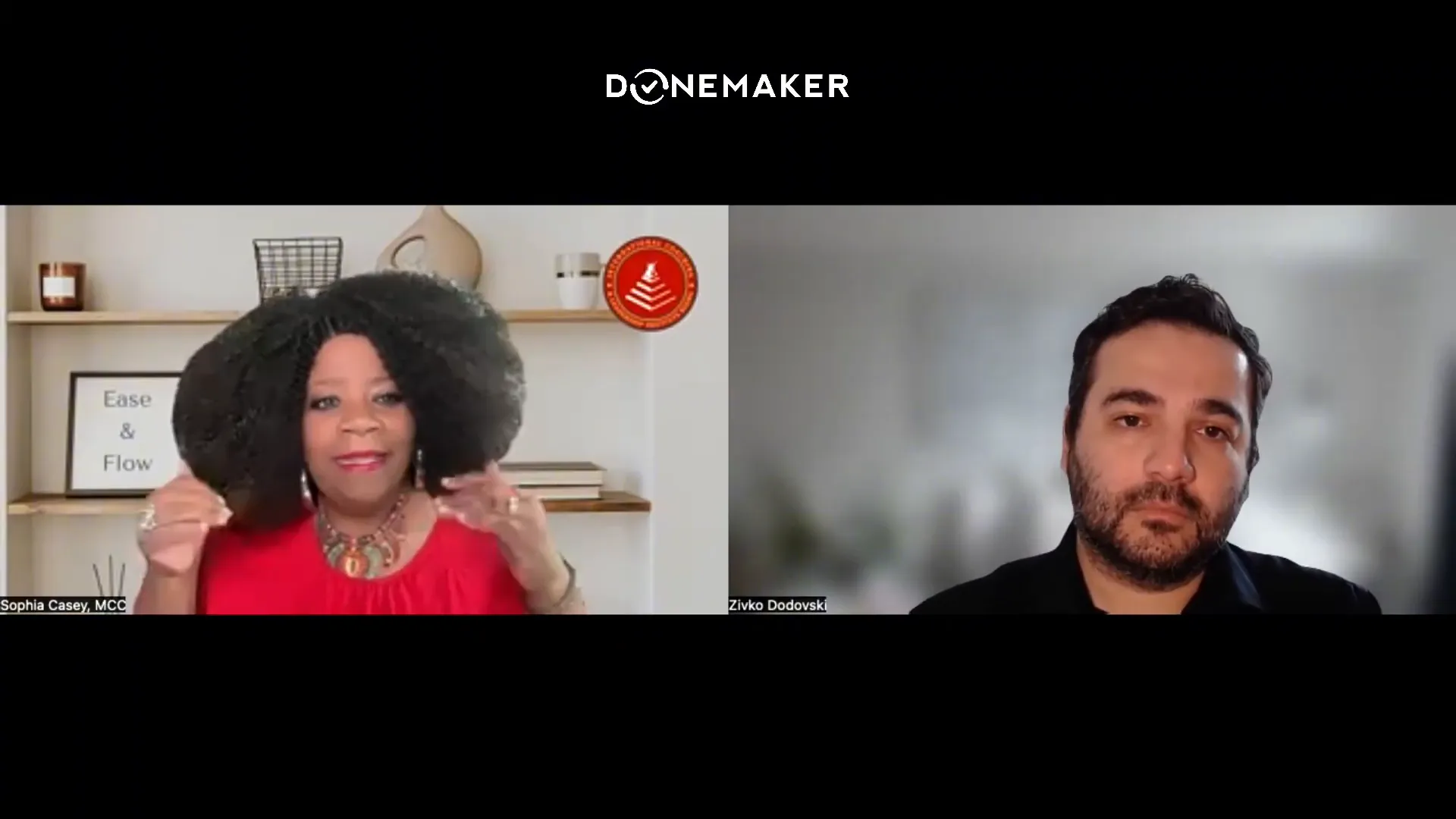
Masterminds are an especially powerful structure. In a mastermind you can sit in the hot seat, tell the unvarnished truth about your business, and get immediate, expert feedback. The best masterminds are not about DIY guidance; they help you move forward quickly with done for you solutions when needed.
- Create a weekly business hour: Block a consistent time each week where you work on outreach, content, and client systems. Treat it like a coaching session with yourself.
- Find accountability partners: Meet with peers weekly to share wins, problems, and next steps. These relationships are the scaffolding of a sustainable Coaching practice.
- Invest in a subject matter network: Surround yourself with people who can support branding, funnels, operations so you can focus on your zone of genius.
Too often Coaches try to learn everything alone. That costs years and thousands of dollars in trial and error. When you access expert support, you keep your focus on the Coaching work you love and let others help you build the business parts you’d rather not master.
How to go deep with clients without eroding trust
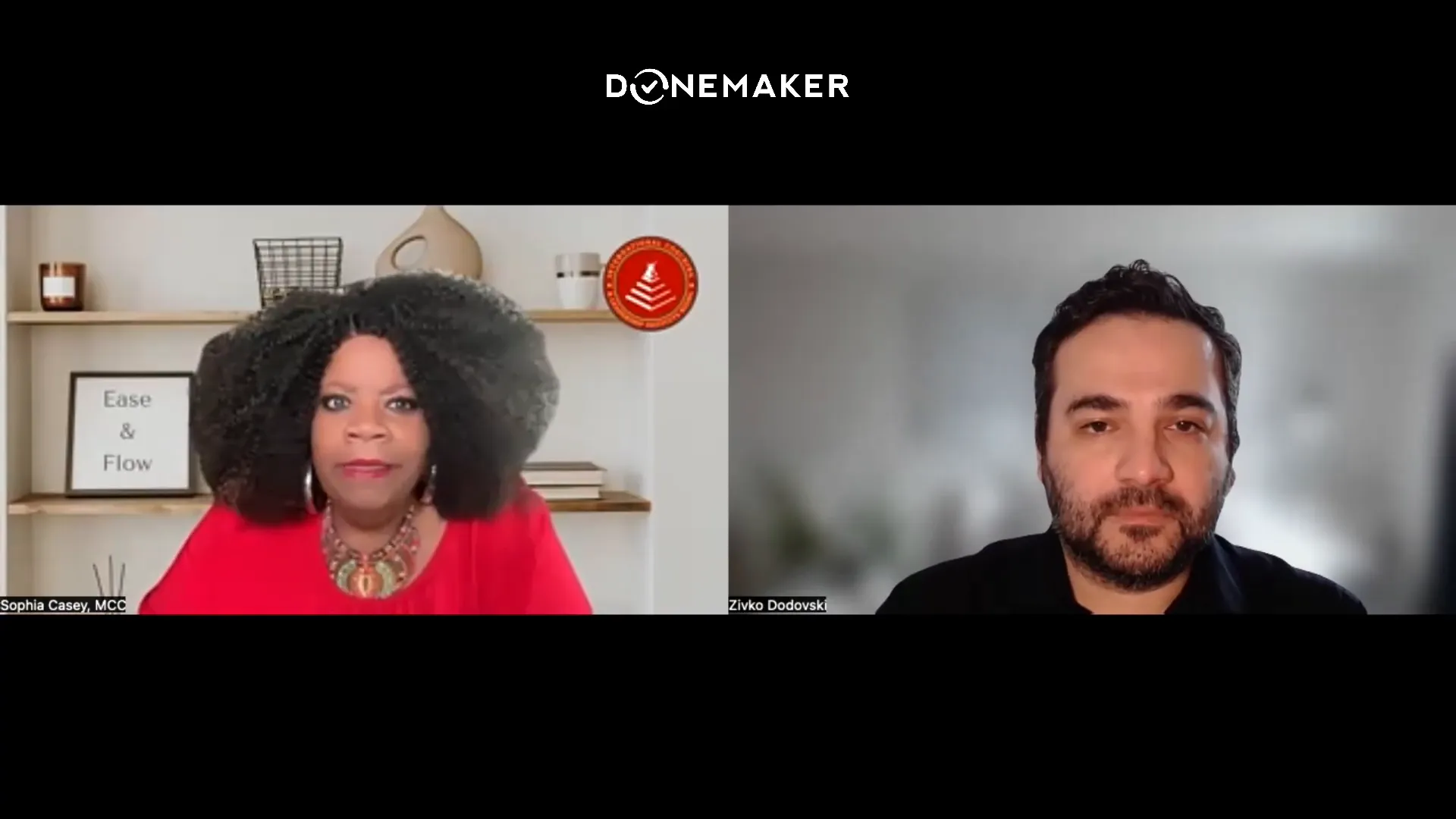
Deep Coaching demands both care and courage. If you avoid hard reflections to remain liked, you are shortchanging your client. If you push too hard without empathy, you will erode trust. The balance comes from humility and relentless focus on the client’s agenda.
Here are practical moves you can make in a session to go deep and stay trustworthy:
- Ask open ended, curious questions that invite new thinking.
- Reflect what you hear, including the unsaid patterns you notice.
- Test your intuition with the client: “I notice X. Do you see that too?”
- Hold the client accountable to agreed actions, and celebrate small wins.
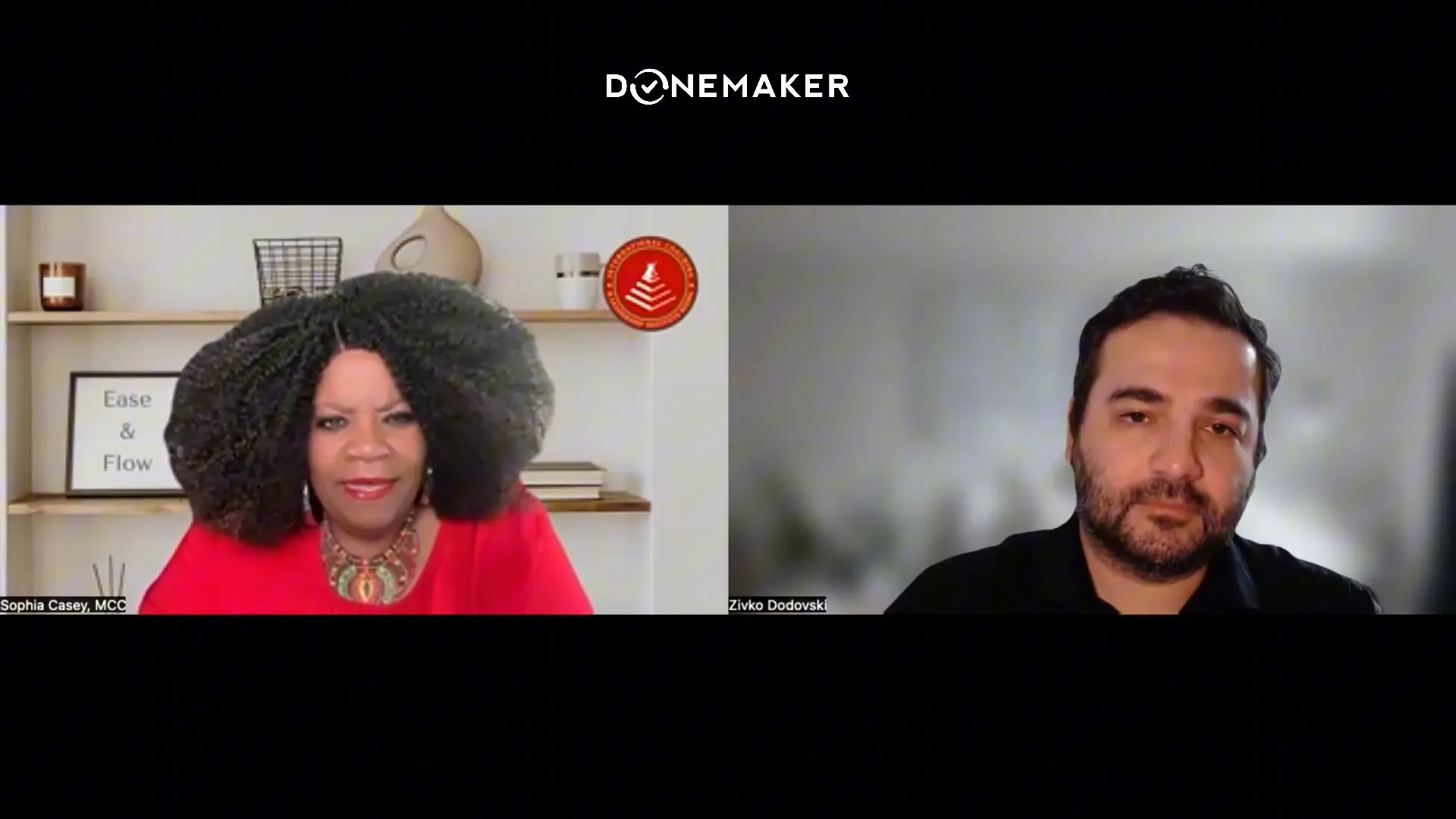
Sometimes you will give feedback a client resists. Expect that. When a client pushes back, remember their reaction is about their process, not about you. Stay steady, hold the intention of the work, and ask the client what the feedback brings up for them. That is Coaching muscle at work.
Common ways Coaches accidentally erode trust
Trust can be fragile. Here are the fastest ways to lose it:
- Show up as if you know everything about the client’s life.
- Use Coaching as a platform to push your agenda or biases.
- Fail to keep commitments or to follow up on agreed actions.
Your goal is to build a relationship where the client learns to trust their own voice. If you are the source of every answer, you create dependency. The Coaching win is when your client stops needing you and keeps expanding anyway.
Handling the imposter feelings you will face
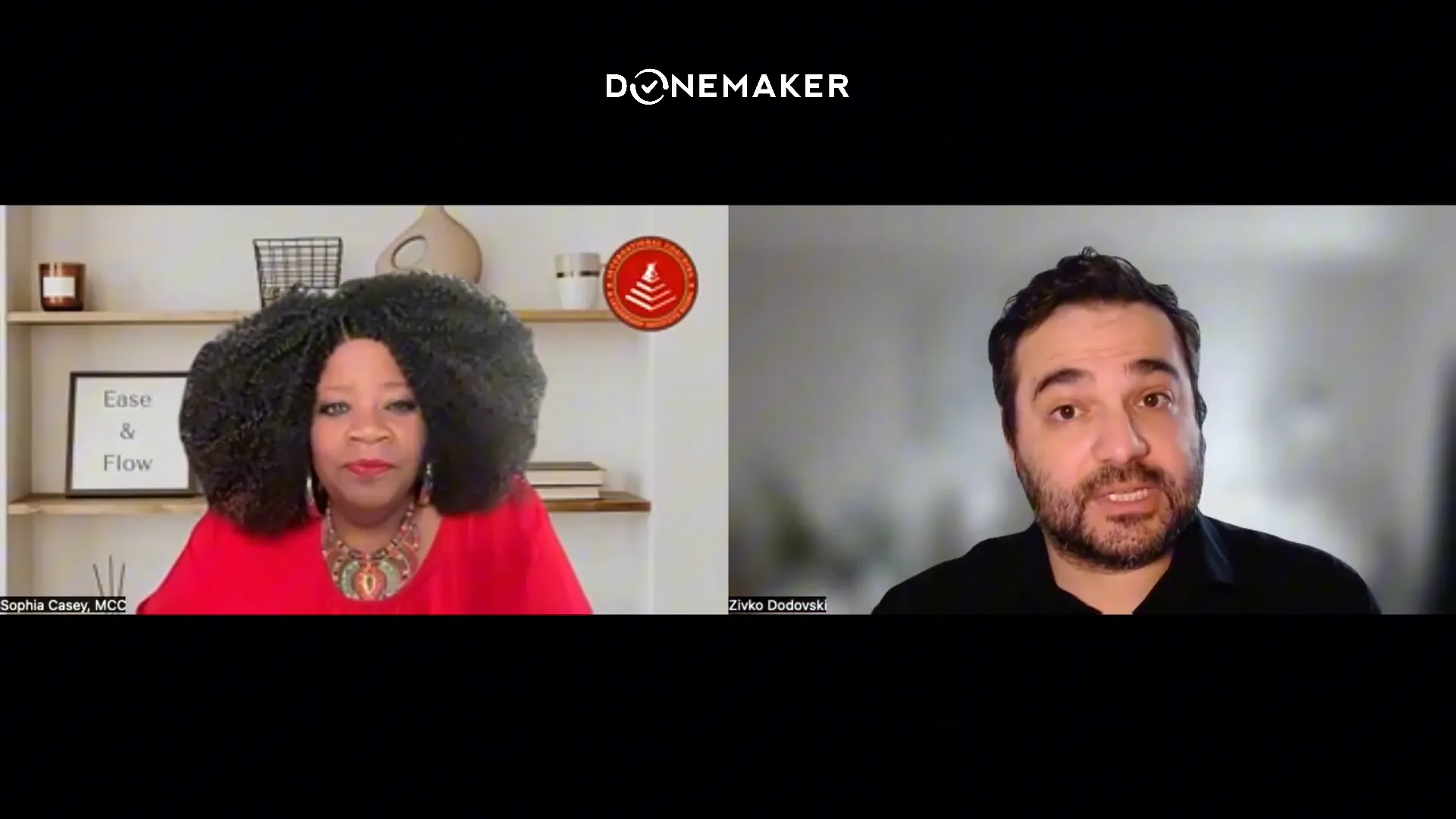
Imposter feelings are normal. Many cultures teach us to be rewarded for performance. Coaching asks you to be with people without performing. That shift can feel disorienting. The antidote is practice and heart-led presence. Keep showing up. Keep asking honest questions. And keep learning from each session.
- When you feel like an imposter: Name it, then do the work anyway. The clients who need you often mirror your own early doubts.
- Remind yourself of the craft: Coaching is skill based. Your practice improves with feedback and time.
From passion to practice: turning Coaching into a business
Turning Coaching into a business is an act of design. You must choose a niche or audience, create a clear offer, and design a client journey from first contact to graduation. Decide how you will deliver service, how you will price it, and how you will measure results. Then build a simple pipeline of activities that keeps people seeing you.
Marketing is not magic. It is consistent communication about who you help, how you help, and what change clients can expect. People need to know, like, and trust you before they invest. Your role is to create multiple touch points so they can see you in action.
- Simple business starter plan: Define your ideal client, design a flagship offering with a clear outcome, and commit to outreach activities on a schedule.
- Use testimonials and case studies: Let the outcomes your clients achieve do the heavy lifting for trust building.
Why masterminds speed up progress
Masterminds accelerate learning because they give you a living lab. When you bring a real problem to a group of trusted peers, you get multi dimensional, fast feedback. The best masterminds include subject matter experts who can offer concrete support and even done for you services so you move forward quickly.
I love masterminds because they combine vulnerability with accountability. You get honest mirrors, practical tools, and the nudge that keeps you doing the work. If you can join a safe mastermind where people will call you forward, you will not waste as many years trying to figure everything out alone.
Frequently Asked Questions
Coaching is a soulful, skilled, and strategic work. If you commit to the craft, you will make a real difference in people’s lives and build a sustainable practice that honors both your clients and your livelihood.
Final guidance for your Coaching path
Remember these practical anchors as you proceed: get formal training, practice with feedback, build accountability structures, and be humble about what you do not know. Humbly curious presence is your greatest asset. When you bring that into sessions, people feel seen, heard, and empowered to act. That is Coaching.
If you want to test drive a mastermind or training environment, I recommend finding a program where you can sit in the hot seat and receive live feedback and done for you support. That will save you years of trial and error.
You already have more than you think. Keep asking good questions. Keep practicing. Keep leaning toward heart to heart connection. The world needs Coaches who are both skilled and real.
Watch the full podcast here: Coaches are not experts at your life – Sophia Casey – The DoneMaker Podcast