Why LinkedIn is Still the Best Platform for B2B Sales Development in 2025
If you’re working in B2B sales and you’re not fully leveraging LinkedIn, you’re leaving money on the table.
LinkedIn continues to dominate as the most effective platform for B2B Sales Development because it’s where your buyers are—and not just as passive scrollers. Decision-makers come here to connect, learn, and explore new solutions. It’s the only platform that gives sales teams direct access to intent-driven, professional audiences.
With over 1 billion users in 2025, and millions actively seeking business solutions, LinkedIn is more than a place to post your CV—it’s the sales arena where deals are initiated, nurtured, and closed.
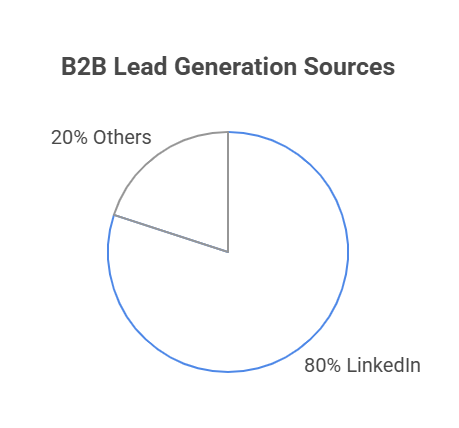
According to LinkedIn’s official sales blog, 80% of B2B leads come from LinkedIn, making it the most valuable social network for sales development professionals.
But the game has changed. What worked in 2020 won’t cut it today. Spamming inboxes? Dead. Generic pitch messages? Ignored. Automation tools? More trouble than they’re worth (and we’ll talk about why).
Let’s talk about what actually works now.
LinkedIn has evolved from a professional networking site into a sophisticated platform where sales professionals can build meaningful relationships, demonstrate thought leadership, and influence purchasing decisions. This evolution demands that sales teams adapt their strategies, focusing on personalization, authenticity, and value creation over volume and generic outreach.
1. Organic LinkedIn Outreach (Done Right)
Let’s start with the most misunderstood but powerful strategy: organic outreach. When we say “organic,” we don’t mean sending random connection requests hoping someone bites. We’re talking about a strategic, high-touch approach:
- Identify your ideal buyers with Sales Navigator
- Send customized connection requests that actually sound human
- Engage with their content before and after connecting
- Send real follow-up messages (not pitch bombs)
This isn’t fast-food prospecting. It’s about creating conversations—not just leads.
Why does it work?
Because real people crave real connection. People can tell when you’ve spammed 100 others with the same message. They know when a bot’s writing to them. And they respond way more often when they feel they’re being treated as a person, not a quota.
Done right, organic outreach builds trust, positions you as a problem solver, and warms up cold prospects quickly.
The Science of Personalization
Personalization goes beyond inserting the prospect’s name in a message. It requires research—checking their recent posts, understanding their business challenges, even noting company news or industry trends affecting them. This effort signals genuine interest and respect for their time.
For example, if you notice a prospect just shared a post about challenges in remote team management, you could reference that insight in your connection request or follow-up:
“Hi Sarah, I enjoyed your post on remote team challenges—something our clients in SaaS struggle with a lot, too. I’d love to connect and share how we help teams stay productive despite those hurdles.”
This kind of message feels relevant and engaging, increasing the chance of acceptance and response.
A study by HubSpot reveals that personalized messages on LinkedIn yield a 71% higher response rate compared to generic outreach. You can learn more about message personalization here: https://donemaker.com/6-ways-to-personalize-linkedin-messages-for-higher/
2. LinkedIn Sales Navigator: The Essential Tool
There’s a reason this tool keeps getting more love every year. LinkedIn Sales Navigator, when used strategically, becomes your best friend for targeting, tracking, and engaging the right people. But most people don’t use it well. They fire off the same filters and hope for the best. Here’s what effective SDRs are doing in 2025:
- Using Boolean search operators to laser-focus results
- Creating lead lists by persona (decision-makers, influencers, and end-users separately)
- Setting up alerts for job changes or new content posts
- Prioritizing leads based on mutual connections, content activity, or open profiles
Sales Navigator isn’t just a search tool. It’s a prospecting command center. Use it right, and it tells you where to spend your time. Use it wrong, and it’s just another glorified contact list.
Advanced Sales Navigator Search Strategies
Learning to use Boolean logic can dramatically improve your lead quality. For example, you can combine terms like:
(“Marketing Director” OR “Head of Marketing”) AND (“SaaS” OR “Software”) NOT “Consultant”
This will filter your search to find marketing leaders in SaaS companies, excluding consultants who may not be your target. Sales Navigator also offers the ability to save leads and accounts, track their activity, and receive notifications when they post content or change jobs. This intel helps you tailor your outreach timing and messaging.
According to a recent article on Forbes, sales professionals who leverage advanced Sales Navigator features see up to a 45% increase in qualified leads.
3. Value-First Messaging (That Doesn’t Suck)
Let’s be honest: most LinkedIn messages sound like robots trying to sell junk. You know the ones:
“Hi {FirstName}, I noticed you’re in {Industry}. We help companies like yours {generic value proposition}. Would you be open to a call?”
Gross. No one wants that. The alternative? Lead with something valuable—something specific to them.
Here’s a structure that works:
- Personal hook: Acknowledge something real (their content, company move, or role)
- Relevance: Briefly show you understand their world
- Value drop: Offer a unique insight, tool, or idea with no ask
- Call to engagement: Invite them to discuss (not pitch!)
Example:
“Hey Sam, I saw your post about expanding your CS team—smart move in 2025 with churn risks so high. We’ve helped Series A SaaS teams reduce time-to-ramp for new reps by 40% using a simple onboarding doc format. Happy to share it if helpful!”
This doesn’t scream “sales.” It screams, “I get you, and I’m here to help.”
And it works.
Why Value-First Messaging Works
This approach reverses the typical sales dynamic. Instead of jumping to the pitch, you demonstrate empathy and understanding. This approach is especially effective on LinkedIn, where users expect professional and meaningful interactions.
Beyond messaging, sharing valuable content in your profile or posts can further support this strategy. If prospects see you as a knowledgeable resource, your outreach becomes warmer and more welcome.
For more tips on messaging, check out this recent guide from Sales Hacker.
4. LinkedIn Content That Converts
If you’re in sales, content isn’t just for marketing anymore.
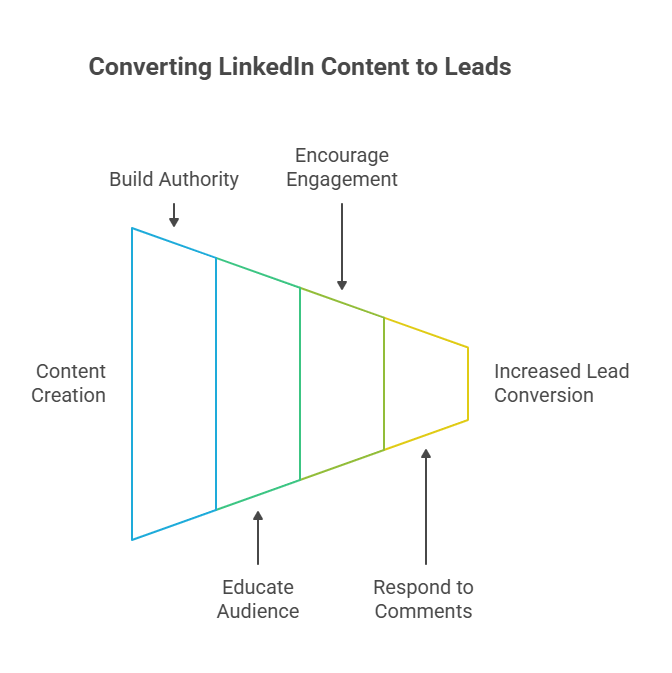
In 2025, the top-performing SDRs and AEs are posting regularly. Why? Because content builds authority and trust before a message is ever sent.
Your content doesn’t have to go viral. It has to do three things:
- Show you understand your buyer’s world.
- Educate or reframe their pain points.
- Invite them to connect or comment.
Types of Content That Work
- Short LinkedIn carousels with sales tips or frameworks: These bite-sized educational pieces perform well because they’re easy to digest and save.
- Thoughtful takes on common buyer problems: For example, a post about “How to reduce churn in remote SaaS teams” attracts your ideal audience.
- Screenshots from real conversations (blurred names): Sharing anonymized real-life examples builds authenticity and provides social proof.
- Behind-the-scenes looks at your sales process: Letting people in on your methodology makes you relatable and trustworthy.
And the golden rule: always respond to comments. Don’t just post and ghost. Engagement with meaningful content leads to a 2x increase in inbound lead conversion, according to LinkedIn’s Marketing Solutions Blog. You can learn more about LinkedIn Content Strategies here: https://donemaker.com/linkedin-content-framework-turning-engagement/
5. Community-Driven Outreach Using LinkedIn Groups
Here’s the underrated strategy in 2025: LinkedIn Groups.
Yes, they still exist. And they’ve gotten way more active and targeted.
Why do LinkedIn Groups Work?
- They give you context for conversations — you’re not cold messaging someone out of nowhere.
- You engage with pre-qualified prospects who joined the group for a reason related to your niche.
- They help you build credibility before you reach out.
Best Practices for Using LinkedIn Groups
- Join niche, active groups where your buyers hang out (check group activity, member engagement).
- Comment meaningfully on discussions; add insights, ask questions—don’t just drop links.
- Start conversations by sharing case studies, asking for advice, or sharing unique perspectives.
- Connect after engaging—your connection requests won’t be cold, since you’ve built rapport.
Groups let you skip the cold part of outreach. When done right, they make conversations feel warm and earned.
According to a recent article on Social Media Examiner, LinkedIn Groups boost message response rates by up to 30% when used effectively.
6. Why Over-Reliance on Automation Can Hurt Your LinkedIn Growth
Automation tools in LinkedIn sales development often get a bad rap — and for good reason. LinkedIn’s algorithm and policies have cracked down hard on spammy automation that blasts generic messages or sends hundreds of connection requests without human oversight.
But the bigger issue is that relying too much on automation can undermine the very thing sales reps need most: genuine human connection.
What to Watch Out For:
- Automation tends to produce repetitive, impersonal messages that prospects can spot immediately.
- High-volume outreach through automation increases risk of account restrictions or bans.
- Over-automation reduces the time spent crafting personalized, relevant interactions that drive results.
- Many automated tools can’t adapt to subtle signals in prospect engagement or shift messaging accordingly.
Remember, no AI or automation can replace a well-researched, empathetic, human conversation. Your job is to be the expert, not a robot.
7. How DoneMaker Does LinkedIn Sales Development Differently
At DoneMaker, we’ve seen these strategies work across multiple industries and client types.
Here’s how we approach LinkedIn sales development in 2025:
- For our own company: We create and post regular organic content focused on our ideal buyers. We participate in LinkedIn Groups relevant to our niche, building community and credibility.
- For clients: We focus exclusively on personalized, high-touch organic outreach—using Sales Navigator and hyper-customized messages tailored to their buyers.
- We do not use automated message blasting for clients to maintain quality and protect LinkedIn reputations.
- Our sequences include value-first messages, real research, and ongoing engagement with prospects who respond.
This model combines the best of LinkedIn’s organic reach with real human connection. And it drives real sales results.
8. Measuring and Optimizing Your LinkedIn Sales Development Efforts
One critical aspect that many sales teams overlook is continuously measuring and optimizing their LinkedIn efforts. Without clear metrics, it’s impossible to know what’s working and what isn’t, and it’s easy to waste time on ineffective practices that don’t generate results.
What should you measure?
- Connection request acceptance rate: This directly reflects the quality of your personalized messages and targeting. If this rate is low, review whether your messages are too generic or irrelevant to your audience.
- Response rate to initial and follow-up messages: Prospect responses are the clearest sign that your outreach is generating interest. If responses are few, evaluate the value and personalization of your messages.
- Engagement on LinkedIn posts: Likes, comments, and shares on your posts reflect the authority and trust you’re building in your network. Posting relevant content regularly can amplify your organic reach and improve lead quality.
- Number of meetings booked or demos scheduled: Ultimately, the most important metric for a sales team is the number of qualified opportunities generated from LinkedIn.
Continuous optimization
Once you have this data, the key is to experiment with different message types, posting times, content formats, and LinkedIn groups. B2B sales on LinkedIn is a dynamic process; what works today may change tomorrow.
By running short test cycles, measuring results, and quickly adjusting your strategy, your team can maintain a healthy and predictable pipeline.
In summary: it’s not enough to just do LinkedIn sales development—you must do it with focus, data, and continuous improvement to stand out and grow in today’s competitive market.

Final Recommendations
- Stop spamming generic LinkedIn messages — it’s not 2015 anymore.
- Invest time in research and personalized outreach with Sales Navigator.
- Build your authority with consistent, relevant LinkedIn content.
- Use LinkedIn Groups to warm up conversations and build trust.
- Use automation tools only to support, not replace, authentic human interaction.
LinkedIn sales development in 2025 is about quality, not quantity. About connection, not automation.
Master these strategies, and your LinkedIn growth—and pipeline—will follow.