Turning LinkedIn connections into paying clients is an art that requires strategy, authenticity, and a genuine commitment to building relationships. It’s not about sending out hundreds of connection requests or blasting generic messages. Instead, it’s about creating meaningful, human-centered interactions that demonstrate value and foster trust.
In this article, we’ll explore proven strategies to transform LinkedIn connections into valuable client relationships. You’ll learn how to build a foundation of trust, engage in meaningful conversations, and develop a sustainable approach to client acquisition that feels natural and professional.
Building the Foundation: Why Cold Messaging Falls Short
Cold messaging is no longer effective. Most professionals receive dozens, if not hundreds, of generic pitches every week. These messages often lack personalization and fail to resonate with the recipient. What sets successful outreach apart is the ability to create authentic connections that demonstrate a real understanding of the prospect’s business and challenges.
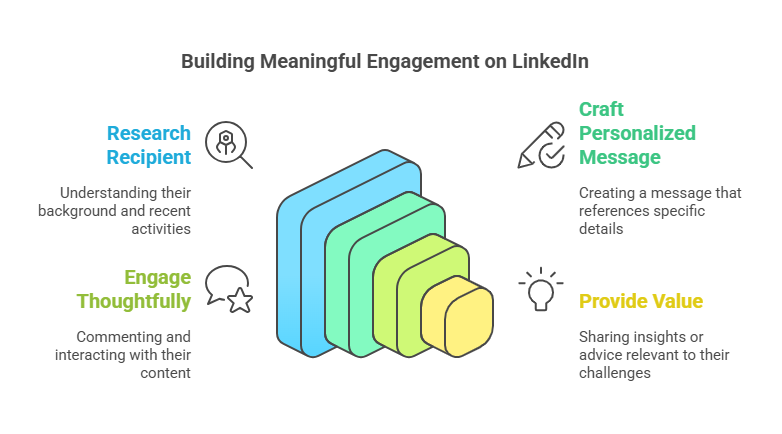
Before reaching out, thoroughly research your prospect. Dive into their LinkedIn profile to gather company information, read their recent posts, and explore their company’s website. Look for clues about their achievements, challenges, and priorities. What projects are they working on? What content have they shared recently? What challenges might they be facing in their industry? This level of understanding will shape every interaction you have with them, making your outreach more relevant and impactful.
When you approach a prospect with a deep understanding of their business, your message carries weight. It shows that you’ve done your homework and that you’re genuinely interested in helping them succeed. This foundation of knowledge and empathy is what separates effective outreach from the noise of generic pitches.
Creating Meaningful Engagement: The Power of the First Message
Your first message is your opportunity to make a strong impression. It sets the tone for the entire relationship, so it’s crucial to get it right. Instead of starting with a generic “Hi, I’d love to connect,” craft a message that utilizes personalized outreach strategies to reference specific aspects of their business or career. For example, you might congratulate them on a recent achievement, comment on a post they shared, or mention a challenge they’ve discussed publicly.
The key is to show that you’ve invested time in understanding their situation. Share a relevant insight or piece of advice that addresses their unique challenges. This approach demonstrates that you’re not just looking to sell something—you’re committed to providing value from the very first interaction.
Successful LinkedIn engagement isn’t about automation or mass messaging. It’s about building trust through interaction with genuine, one-on-one connections over time. Comment thoughtfully on their posts, share valuable insights, and participate in meaningful discussions. By engaging organically, you position yourself as a knowledgeable and approachable professional. This makes any subsequent outreach feel like a natural next step in an existing relationship, rather than a cold pitch.

The Human Element: Building Trust Through Empathy
Behind every LinkedIn profile is a real person with real challenges, goals, and aspirations. To build meaningful relationships, you need to connect with them on a human level. Take the time to understand their professional journey, celebrate their wins, and acknowledge their struggles. This human-centered approach creates deeper connections that go beyond typical business interactions.
One way to demonstrate empathy is by sharing content that directly addresses your prospects’ challenges. For example, if you notice that a prospect is struggling with a specific issue, create a post or article that offers actionable advice on how to overcome it. This positions you as a valuable resource rather than just another service provider. Your content should reflect a deep understanding of their industry and provide practical solutions that help them achieve their goals.
Another way to build trust is by being consistent in your interactions. Don’t just reach out when you need something. Instead, maintain regular touchpoints that demonstrate your commitment to their success. Share industry insights, engage with their content, and offer support whenever possible. Over time, these small but meaningful interactions will help you build a strong foundation of trust and credibility. Learn more about building trust here: https://donemaker.com/building-trust-preserve-reputation-through-cold-outreach-in-2024/
Value-Driven Communication: Nurturing Relationships Over Time
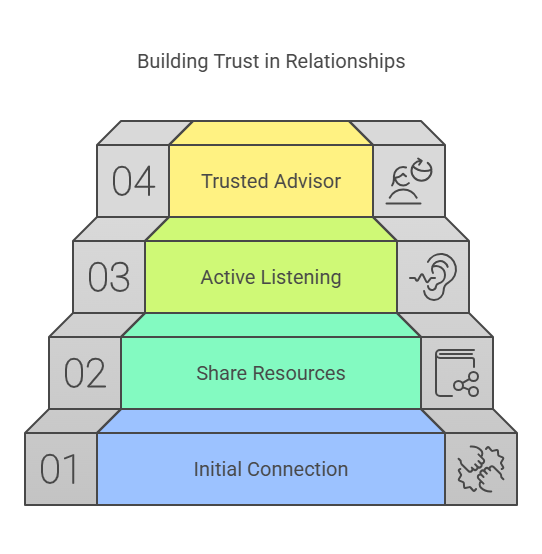
Once you’ve made that initial connection, the real work begins. Nurturing a relationship requires consistent effort and a focus on adding value at every touchpoint. Think of relationship building as tending a garden—each interaction is an opportunity to plant a seed of trust and understanding.
One effective way to nurture relationships is by sharing valuable resources. This could be an article, a case study, or a tool that addresses a specific challenge your prospect is facing. The goal is to provide actionable insights that help them achieve their goals. By consistently offering value, you position yourself as a trusted advisor rather than just another vendor.
Another important aspect of value-driven communication is active listening. When engaging with prospects, ask thoughtful questions about their business journey and listen carefully to their responses. Share relevant experiences from your own career and offer genuine insights that demonstrate your expertise. These authentic conversations create the foundation for lasting professional relationships.
Strategic Relationship Building: Maintaining Momentum
Maintaining momentum in your relationships requires finesse. You don’t want to overwhelm your prospects with constant messages, but you also don’t want to disappear for months at a time. The key is to space your interactions thoughtfully and vary your approach. Each touchpoint should feel natural and purposeful, building upon previous interactions.
For example, you might start by commenting on a post they shared, then follow up with a direct message referencing that post. A few weeks later, you could share a relevant resource that’s pertinent to their business. By varying your approach and bringing fresh value to each interaction, you keep the conversation alive without becoming overbearing.
Another effective strategy is to show genuine curiosity about their business challenges and goals. Ask open-ended questions that encourage them to share their thoughts and experiences. This not only helps you better understand their needs but also demonstrates that you’re genuinely interested in their success. You can learn more strategies to build long term relationships here: https://donemaker.com/the-death-of-generic-outreach-new-rules-for-2025/
Cultivating Long-Term Partnerships: Beyond the Transaction
The true value of LinkedIn connections emerges when you transform them into lasting partnerships. Instead of focusing on quick wins, invest in building relationships that extend far beyond the initial sale. This requires a shift from a transactional mindset to a relational one.
One way to cultivate long-term partnerships is by celebrating your connections’ milestones. Whether it’s a promotion, a new product launch, or a company anniversary, take the time to acknowledge their achievements. This simple gesture shows that you’re paying attention and that you care about their success.
Another way to deepen your relationships is by offering support during challenging times. If a prospect shares that they’re facing a difficult situation, reach out with words of encouragement or offer practical advice. These moments of genuine support can strengthen your bond and create a sense of loyalty.
Finally, look for opportunities to add value in unexpected ways. Introduce them to valuable contacts in your network, share exclusive insights about industry trends, or offer thoughtful feedback on their business initiatives. By consistently demonstrating your commitment to their success, you create a network of advocates who will naturally recommend your services to others.
Measuring and Growing Success: Quality Over Quantity
When it comes to LinkedIn outreach, quality always trumps quantity. Instead of focusing on how many connections you have, track the quality of your interactions and the depth of your relationships. Are you addressing your prospects’ needs? Are you building trust and credibility? Are your conversations leading to meaningful outcomes?
One way to measure success is by tracking meaningful interactions. For example, how many of your messages have led to a conversation? How many of those conversations have resulted in a meeting or a new business opportunity? By focusing on these metrics, you can refine your approach and ensure that your outreach efforts are aligned with your goals.
Final Recommendations
- Start With Research: Take time to understand each prospect’s business before reaching out.
- Personalize Deeply: Reference specific details about their work and achievements.
- Focus on Value: Share insights that actually help their business grow.
- Build Real Relationships: Invest in long-term connections instead of quick wins.
- Stay Consistent: Maintain regular, meaningful interactions that add value.
- Watch this video: Here you will find relevant information about LinkedIn Organic Outreach and the mistakes you should avoid to build meaningful connections
Frequently Asked Questions (FAQ’s)